(September, 2025 | No. 9 | Vol. 69)
9/1/2025
Truth Magazine (ISSN 1538-0793) is published once a month by Truth Publications, Inc., 103 W. Washington St., Athens, AL 35611.
© 2025 Truth Publications, Inc. All Rights Reserved.
Manuscripts should be sent to the editor, Mark Mayberry, at mark@truthpublications.com. Link.
Subscriptions, renewals & other correspondence should be sent to: Truth Magazine, 103 W. Washington St., Athens, AL 35611 or by emailing us at subscriptions@truthmagazine.com. Link.
Book orders should be sent to: CEI Bookstore | truthbooks.com | Street Address: 103 W. Washington St., Athens, AL 35611 | Phone: (855) 492-6657 | Email: sales@truthbooks.com Link.
Online Website: truthmagazine.com
DISCLAIMER: Books in ads are screened, but an ad does not mean unqualified endorsement. All books should be tested by Scripture. We appreciate readers notifying us if they find some glaring fault in the ads.
By Mark Mayberry
Synopsis: The author reflects on the tragic Kerr County flood of July 4, 2025, which claimed 119 lives, including 27 from Camp Mystic. He contrasts theological and pseudo-scientific explanations of suffering, ultimately offering a biblical perspective that emphasizes faithful response, the fallen nature of the world, life’s unpredictability, and the need for humility in understanding providence. He concludes that Scripture, rather than speculation, provides lasting hope and guidance.
Although two months have passed since the recent flooding in Kerr County, Texas, the tragic event looms large in our collective memory.
According to the latest reports, the catastrophic flooding that occurred on July 4, 2025—primarily due to the Guadalupe River rising 36 feet—resulted in the deaths of 119 people, whose names have been officially released by the Texas Rangers. The victims ranged in age from 1 to 91 years old. While most were Texans, some were visitors from California, Florida, and Alabama. Among these grim statistics are the 27 campers and counselors from Camp Mystic. Who could have imagined that a fun weekend would end so tragically?
Columnists, commentators, reporters, and politicians have had much to say about these tragic events—some of it thoughtful, some exploitative for political advantage, some foolish, some faith-based, and some used as an excuse to rail against the concept of a loving, all-powerful God.
In this lesson, I will briefly review two columns I read concerning the tragedy, compare their perspectives, and then contrast both with statements from the word of God. These biblical insights offer a helpful framework for contemplating such events from a spiritual standpoint.
The first article, by Scott Johnson, is entitled Thinking About Natural Disasters. It was published on July 15, 2025, by PowerLine.
This reflective essay explores the philosophical and theological dimensions of suffering, particularly in the context of natural disasters like the flash floods in Texas.
Johnson begins by pointing out that such tragedies are nothing new. He references Voltaire’s response to the 1755 Lisbon earthquake, especially Chapter V of Candide, which critiques philosophical optimism—namely, the ideas of Alexander Pope (“whatever is, is right”) and Leibniz (“we inhabit the best of all possible worlds”). Voltaire’s poem On the Lisbon Disaster is also cited as a raw, immediate reaction to the tragedy.
Next, Johnson considers Christian responses to suffering. Rod Dreher is cited for his article The Theological Mystery of Camp Mystic, which draws on theologian David Bentley Hart to address suffering from a faith-based perspective. C. S. Lewis’s The Problem of Pain is highlighted as a classic Christian exploration of why a good God allows suffering.
Johnson concludes by reminding readers of Rabbi Harold Kushner’s When Bad Things Happen to Good People, which is a deeply personal and empathetic take on suffering, rooted in the loss of his son. Finally, the author emphasizes the persistent and haunting nature of the question “Why?”—especially in places like cancer wards and neonatal ICUs.
The second article, by Frank J. Tipler, is entitled Plato Solved the Problem of Evil 2,300 Years Ago. It was published on August 20, 2025, in American Thinker.
This rebuttal essay responds to Scott Johnson’s reflections on suffering and natural disasters. Tipler, a professor of mathematical physics at Tulane University, argues that the philosophical problem of evil was solved by Plato over two millennia ago and further developed by Christian theologians and modern physicists.
His core argument is that the modern speculative concept of a multiverse provides a philosophical and scientific solution to the problem of evil. Tipler’s central thesis is that God’s goodness necessitates the actualization of all possible worlds—a concept he alleges is rooted in Plato’s philosophy. In this framework:
In one world, tragic events—such as the Texas flood—occur. In another, those same individuals live full lives. In one world, Donald J. Trump turns his head ever so slightly while speaking at a campaign rally in Butler, Pennsylvania, and escapes the assassin’s bullet. In another timeline, he dies. According to Tipler, this diversity of outcomes occurring simultaneously in parallel universes is essential to maximizing goodness. Because all possible scenarios play out, everything balances out in the end.
Tipler cites both ancient religious scholars and modern scientists—including Einstein—in support of his speculative position. He connects the problem of evil to the problem of free will, arguing that true free will exists only if alternate choices are actualized in other universes. Providence is reframed as determinism across the multiverse, culminating in an “Uncaused First Cause,” which Aquinas equates with God. Finally, Tipler dismisses the authors cited in Johnson’s original article because they do not adhere to the “science” upon which he relies.
Both Scott Johnson and Frank J. Tipler grapple with the problem of suffering and evil in relation to a good and powerful God. Johnson asks why a benevolent deity allows suffering, especially in the context of natural disasters, approaching the issue through literary and theological reflections from thinkers like Voltaire, Rousseau, C. S. Lewis, and Kushner. His tone is reflective, empathetic, and questioning. Tipler, on the other hand, views the existence of evil through a rationalist and metaphysical lens, drawing on figures such as Plato, Abelard, and Aquinas. His tone is more assertive and deterministic, offering explanatory frameworks that aim to reconcile divine goodness with the reality of evil.
In Johnson’s view, suffering raises profound questions that defy easy answers. He draws on literary and theological sources to explore the emotional and spiritual weight of tragedy, emphasizing the enduring mystery of “Why?”
In Tipler’s view, evil and suffering are logically necessary in a multiverse governed by quantum mechanics. Every possible life and outcome exists somewhere, and this diversity fulfills divine goodness. He argues that rejecting this view means opposing the intellectual giants of both philosophy and physics.
In both essays, one essential source is never directly investigated—the Bible. Philosophers and scientists are consulted, and the writings of various religious scholars are referenced, but the actual teaching of God’s word is not examined. While philosophical, theological, and metaphysical speculations may capture man’s imagination, we must turn to a higher authority for guidance.
When they say to you, “Consult the mediums and the spiritists who whisper and mutter,” should not a people consult their God? Should they consult the dead on behalf of the living? To the law and to the testimony! If they do not speak according to this word, it is because they have no dawn (Isa. 8:19-20).
To adapt the “Black Cat Analogy,” which has been attributed to various figures, including Lord Bowen, seeking answers from mortal men regarding things that lie beyond human understanding may be compared to someone who is walking a canopied path on a moonless night trying to see a dark cat who is not there.
Job chapters 1-2 provide a biblical counterbalance. In these chapters, Job is described as “blameless and upright,” yet he suffers catastrophic loss—his children, wealth, and health. This suffering is initiated by Satan with God’s permission, not as punishment but as a test of Job’s faith. Despite his distress, Job does not curse God but mourns and worships, saying, “The Lord gave, and the Lord has taken away; blessed be the name of the Lord” (Job 1:21).
As Job’s suffering intensifies, Satan is granted permission to afflict him physically:
Then Satan went out from the presence of the LORD and smote Job with sore boils from the sole of his foot to the crown of his head. And he took a potsherd to scrape himself while he was sitting among the ashes (Job 2:7-8).
In desperation, his wife urges him to “curse God and die,” but Job responds:
Shall we accept good from God, and not trouble? (Job 2:10).
In summary, the opening chapters of Job acknowledge God’s sovereignty over suffering—not in causing it, but in allowing the patriarch to endure affliction. This account highlights man’s limitation in understanding divine purposes. Yet Job’s example teaches that faithfulness in adversity is a virtue.
As we seek to confront the problem of suffering from a biblical perspective, let us recognize several important principles. We live in a world that is under the curse of sin and death (Rom. 5:12-17), and one that is subject to the vicissitudes of time and chance (Eccl. 9:10-12). Like Job, let us maintain a reverential spirit and manifest reserve in criticizing God for things we do not understand (Job 1:20-22; 42:1-6). Like Mordecai and Paul, may we exhibit caution in asserting our ability to discern the hand of providence (Esther 4:14; Philem. 10-16).
The apostle Paul teaches that suffering entered the world through the sin of one man—Adam. Death spread to all because all sinned. Yet Paul contrasts this with the grace and righteousness offered through Jesus Christ. While Adam’s transgression brought condemnation, Christ’s sacrifice brings justification and life. This foundational truth affirms that suffering is not arbitrary but rooted in humanity’s fall, and that redemption is available through divine grace.
Therefore, just as through one man sin entered into the world, and death through sin, and so death spread to all men, because all sinned—for until the Law sin was in the world, but sin is not imputed when there is no law. Nevertheless death reigned from Adam until Moses, even over those who had not sinned in the likeness of the offense of Adam, who is a type of Him who was to come. But the free gift is not like the transgression. For if by the transgression of the one the many died, much more did the grace of God and the gift by the grace of the one Man, Jesus Christ, abound to the many. The gift is not like that which came through the one who sinned; for on the one hand the judgment arose from one transgression resulting in condemnation, but on the other hand the free gift arose from many transgressions resulting in justification. For if by the transgression of the one, death reigned through the one, much more those who receive the abundance of grace and of the gift of righteousness will reign in life through the One, Jesus Christ (Rom. 5:12-17).
Solomon observes that life “under the sun” is unpredictable. Success is not guaranteed by strength, wisdom, or ability, as time and chance affect everyone. Death is inevitable, and Sheol—the realm of the dead—is devoid of activity, planning, or wisdom. This realism underscores the limitations of human control and reemphasizes the need for diligence and humility in the face of life’s uncertainties.
Whatever your hand finds to do, do it with all your might; for there is no activity or planning or knowledge or wisdom in Sheol where you are going. I again saw under the sun that the race is not to the swift and the battle is not to the warriors, and neither is bread to the wise nor wealth to the discerning nor favor to men of ability; for time and chance overtake them all. Moreover, man does not know his time: like fish caught in a treacherous net and birds trapped in a snare, so the sons of men are ensnared at an evil time when it suddenly falls on them (Eccl. 9:10-12).
When faced with incomprehensible suffering, Job’s initial and final responses to God involved reverence and repentance. He acknowledges God’s sovereignty and admits that he spoke of things he did not understand. This passage encourages believers to maintain reverence and restraint when confronting the mysteries of life. The Book of Job illustrates that suffering may not always be explained, but faith and humility are the appropriate responses.
Then Job arose and tore his robe and shaved his head, and he fell to the ground and worshiped. He said, “Naked I came from my mother’s womb, and naked I shall return there. The LORD gave and the LORD has taken away. Blessed be the name of the LORD.” Through all this Job did not sin nor did he blame God (Job 1:20-22).
Then Job answered the LORD and said, “I know that You can do all things, and that no purpose of Yours can be thwarted. ‘Who is this that hides counsel without knowledge?’ Therefore I have declared that which I did not understand, things too wonderful for me, which I did not know. ‘Hear, now, and I will speak; I will ask You, and You instruct me.’ I have heard of You by the hearing of the ear; but now my eye sees You; therefore I retract, and I repent in dust and ashes” (Job 42:1-6).
Both Mordecai and Paul exhibit caution in contemplating providence. Mordecai asks Esther, “Who knows whether you have not attained royalty for such a time as this?”—a rhetorical question that invites reflection without presumption. Similarly, Paul writes to Philemon, “Perhaps he was for this reason separated from you for a while. . .” regarding Onesimus. These examples teach us to recognize God’s hand without claiming certainty, encouraging humility and trust in divine timing.
Then Mordecai told them to reply to Esther, “Do not imagine that you in the king’s palace can escape any more than all the Jews. For if you remain silent at this time, relief and deliverance will arise for the Jews from another place and you and your father’s house will perish. And who knows whether you have not attained royalty for such a time as this?” (Esther 4:13-14).
I appeal to you for my child Onesimus, whom I have begotten in my imprisonment, who formerly was useless to you, but now is useful both to you and to me. I have sent him back to you in person, that is, sending my very heart, whom I wished to keep with me, so that on your behalf he might minister to me in my imprisonment for the gospel; but without your consent I did not want to do anything, so that your goodness would not be, in effect, by compulsion but of your own free will. For perhaps he was for this reason separated from you for a while, that you would have him back forever, no longer as a slave, but more than a slave, a beloved brother, especially to me, but how much more to you, both in the flesh and in the Lord (Philem. 10-16).
Johnson’s approach resonates with Job’s emotional honesty and theological wrestling. He does not claim to solve the problem but instead invites readers to contemplate the mystery of suffering. Tipler’s approach, by contrast, sharply diverges from Job’s story. He offers a pseudo-scientific framework that attempts to explain suffering through multiverse logic and determinism, thereby minimizing emotional and spiritual ambiguity. Job’s narrative ultimately affirms that suffering may lie beyond human comprehension, and that faithfulness in the face of tragedy is a righteous response.
The Bible teaches that man was created as a free moral agent, capable of understanding and obeying God’s will (Gen. 1:26-28; 2:15-17). The perfection of God’s original creation was marred by man’s disobedience—suffering and death entered the world through sin (Gen. 3). Although we live in a fallen world, God has made provision for our deliverance and redemption through His Son, Jesus Christ (Gen. 3:15; 12:1-3; 49:8-10, etc.). God uses suffering to refine faith, discipline believers, and ultimately accomplish a higher good (Rom. 8:28). The doctrine of providence affirms that God is sovereign and purposeful, even when His reasons are hidden from human understanding. Christian theology also emphasizes redemption through Christ’s suffering, offering hope and meaning in the midst of pain (Rom. 8:18-21; Rev. 21:1-4).
For I consider that the sufferings of this present time are not worthy to be compared with the glory that is to be revealed to us. For the anxious longing of the creation waits eagerly for the revealing of the sons of God. For the creation was subjected to futility, not willingly, but because of Him who subjected it, in hope that the creation itself also will be set free from its slavery to corruption into the freedom of the glory of the children of God (Rom. 8:18-21).
Then I saw a new heaven and a new earth; for the first heaven and the first earth passed away, and there is no longer any sea. And I saw the holy city, new Jerusalem, coming down out of heaven from God, made ready as a bride adorned for her husband. And I heard a loud voice from the throne, saying, “Behold, the tabernacle of God is among men, and He will dwell among them, and they shall be His people, and God Himself will be among them, and He will wipe away every tear from their eyes; and there will no longer be any death; there will no longer be any mourning, or crying, or pain; the first things have passed away” (Rev. 21:1-4).
Mark Mayberry has labored with the Adoue Street church of Christ in Alvin, TX, since 1998, where he serves as the evangelist and an elder. The church website is here. His website is here. He can be reached here.



By Kyle Pope
Synopsis: There are many reasons to be thankful for the coming of Jesus, but what does the New Testament reveal about the identification of Jesus as “the Son of God” that should motivate thankfulness? This study explores that question.
Before Paul’s bold affirmation of confidence in the gospel in Romans 1:16, he first addressed his own separation “to the gospel of God” (Rom. 1:1, NKJV). This saving message was God’s promise through the prophets (1:2) concerning “His Son Jesus Christ our Lord” (1:3a). Long before the triune nature of Deity was fully revealed, promises about a coming Christ or “Messiah” (Dan. 9:25-26)—the Son of David (Is. 11:1; cf. Rev. 22:16), but also David’s Lord (Ps. 110:1)—pointed to the Son of God. Paul explained to the Romans that He would be “of the seed of David according to the flesh” (Rom. 1:3b), but His nature involved much more. Jesus was “declared to be the Son of God with power according to the Spirit of holiness, by the resurrection from the dead” (Rom. 1:4).
What does this mean? Was Jesus made the “Son of God” by His resurrection? No. Paul didn’t teach that the resurrection made Him something He wasn’t before. The word “declared” is the Greek horizō, meaning “to define, to mark out the boundaries” (Thayer). Literal translations read “marked out” (YLT, BBE, GLT, Darby). The apostle addressed what the resurrection showed the world about Jesus’s identity. He was Deity before His death. The resurrection simply revealed what He had always been.
What’s the connection between the resurrection and Jesus’s identity as “the Son of God”—how does one indicate the other? In part, this fulfilled prophecy. Two messianic Psalms foretold the Lord’s “Anointed” (Ps. 2:1) or “Holy One” (Ps. 16:10b) would be called God’s Son (Ps. 2:7), whose soul would not be left “in Sheol” nor “see corruption” (Ps. 16:10a). New Testament Christians argued that Jesus fulfilled both of these prophecies (cf. Acts 2:27; 13:35; Heb. 5:5).
In addition to this, His self-resurrection demonstrated something undeniable about the nature of Jesus. He was not the first raised from the dead. Elijah and Elisha resurrected sons of two women (1 Kings 17:17-24; 2 Kings 4:20-37). Elisha’s bones raised a dead body that touched them (2 Kings 13:21). Before this, Jesus had raised a boy and girl (Luke 7:11-16; Mark 5:35-43), Lazarus (John 11:1-44), and many “saints” upon His death (Matt. 27:52-53). Jesus’s resurrection, however, was not performed by someone else. Scripture says, “God raised Him from the dead” (Acts 13:30; cf. 2:24, 32; 3:15; 10:40; 13:33, 34, 37; Rom. 4:24; 10:9; 1 Cor. 6:14; 15:15; 2 Cor. 4:14; Gal. 1:1; Eph. 1:20; 1 Thess. 1:10; 1 Pet. 1:21), the Holy Spirit “raised Jesus from the dead” (Rom. 8:11), which was “by the glory of the Father” (Rom. 6:4). Yet Jesus said of His own life, “No one takes it from Me, but I lay it down of Myself. I have power to lay it down, and I have power to take it again” (John 10:18). How did God raise Jesus, but Jesus Himself laid down His life and took it up again? Because Jesus was God in the flesh! His self-resurrection revealed His Sonship, and His Sonship revealed His Deity.
This is not a conclusion only Christians drew. When Jesus told the Jews His works were the works of God His Father (John 10:25), adding, “I and My Father are one” (John 10:30), the Jews tried to stone Him, “because You, being a Man, make Yourself God” (John 10:33). They recognized that to say God was His Father in this specific sense was to claim Deity for Himself. In response, Jesus did not deny their charge but challenged them with Scripture (John 10:34) and summarized His claim, saying, “I said, ‘I am the Son of God’” (John 10:36). To be God’s Son in this sense is to be Deity!
Centuries after the gospel’s inception, the profound nature of Jesus’s claim to Sonship is often overlooked, but this was part of the reason for His crucifixion. It was the accusation the Jews made against Him: “He made Himself the Son of God” (John 19:7). They taunted Him with this claim on the cross (Matt. 27:40, 43), yet His death led the centurion to recognize its truth (Matt. 27:54). Before this, angelic beings acknowledged it—Gabriel (Luke 1:35) and unclean spirits confessed it (Mark 3:11). Satan appealed to it in His temptation (Matt. 4:3, 6). An essential mark of discipleship is recognition of this truth. This is seen in the confessions of John the Baptist (John 1:34), Nathanael (John 1:49), His disciples after His calming of the storm (Matt. 14:33), Mark (Mark 1:1), John (John 20:31), Martha (John 11:27), Peter (Matt. 16:16), and Paul after his conversion (Acts 9:20). Belief and confession that Jesus is the Son of God are necessary for salvation (1 John 5:10-13). Why? Because to be the Son of God in this specific sense is to be the Messiah (Matt. 26:63), High Priest of the New Covenant (Heb. 4:14), and the “True God” (1 John 5:20). The resurrection demonstrated to all who will accept it who it truly was who shed His blood on that cross. Thanks be to God for His wonderful love!
Kyle Pope preaches for the Vestavia church of Christ in Vestavia Hills, AL. He has written several books published by Truth Publications. Go here for more information. The church website is here. He can be reached here.





By Rachel Reeves
Synopsis: Prayer is not just a spiritual discipline—it’s the lifeblood of a Christian’s walk with God. The article reminds us that Jesus Himself exemplified a life of fervent, faithful prayer, showing us how to approach the Father with sincerity, humility, and persistence. Whether in seasons of joy or suffering, prayer draws us into deeper submission to God’s will. We’re encouraged to make prayer a daily habit—treating it, not as an empty ritual, but as a continual, transformative conversation with our Creator.
It has been said, “Prayer is the key to the morning and the bolt of the day.” For the Christian, this rings true, as prayer frames both the beginning and end of each day with faith and trust in God.
As we consider putting on the armor of God, we must not neglect the power of prayer in our lives. Paul wrote, “Take the helmet of salvation, and the sword of the Spirit, which is the word of God. With all prayer and petition pray at all times in the Spirit, and with this in view, be on the alert with all perseverance and petition of all the saints” (Eph. 6:17-18). Among all the examples in Scripture, the life of Jesus Christ stands out as a perfect and passionate model of what it means to have a devoted prayer life. Jesus is not only our Savior but also our greatest teacher in how to communicate with the Father. As we study His life, we are invited to reflect on the beauty and blessing of prayer.
Sisters, we understand the importance of communication in our daily lives. We know that for a relationship to grow, there must be meaningful and sincere conversations. At its core, prayer is not about reciting memorized lines or simply making wishes. It is heartfelt communication with our Father in heaven—rooted in trust, reverence, and dependence. The apostle Paul exhorts believers in 1 Timothy 2:1 to offer “supplications, prayers, intercessions, and thanksgiving. . . for all men.” These aspects of prayer express our humility before God, our desire to help others, and our thankfulness for His ongoing blessings. When we pray, we acknowledge our dependence on Him and boldly approach the throne of His grace—something made possible only through the atoning sacrifice of Jesus (Heb. 4:14-16).
Christ is not only our Master Teacher about prayer, but He also demonstrated how to live it. In Luke 11, His disciples asked Him, “Lord, teach us to pray,” and Jesus responded with what we now call the Lord’s Prayer. His teaching reminds us to pray with reverence for God’s holiness, to ask humbly for our daily needs, and to seek a heart of forgiveness toward others. He taught us to pray for strength in temptation and always to remember that our relationship with the Almighty is not casual, but sacred. In this prayer and throughout His teachings, Jesus emphasized the importance of aligning our will with that of God.
Jesus is the supreme model of a life devoted to prayer. He prayed in faith, knowing that the Father hears and answers. As our High Priest, He understands our weaknesses, for He, too, was tempted yet without sin (Heb. 4:15). He prayed before major decisions, such as choosing His disciples (Luke 6:12-16), and often withdrew to solitary places to pray and meditate (Mark 1:35; Matt. 14:22-23). Let us stop and ask ourselves, “When was the last time I prayed in solitude, pouring my heart out to God about a decision in my life?” He urged His disciples to pray persistently (Luke 18:1) and warned against empty, self-centered prayers (Matt. 6:5-7). Jesus taught us that prayer must come from a heart of faith, humility, and sincerity.
One of the most powerful moments in Jesus’s prayer life occurred in John 17—where He glorified the Father, prayed for His disciples, and expressed His desire for all believers to live in unity and love. He asked the Father to protect them, sanctify them in truth, and help them experience the love that the Father has for the Son. Jesus’s prayers were always purposeful, filled with compassion, and centered on God’s glory. They were answered—seen clearly in the lives of the apostles who went on to proclaim the gospel boldly and deeply rooted in the love of God.
Have you had such deep, heartbreaking, soul-crushing sorrow that you could not find the words but fell to your knees crying out to God—begging your Father to give you comfort and help you through the pain and loss? We know God will hear and answer every prayer, even when we are overwhelmed by this harsh world. We can look to our Lord for the example of depending on the Father during the most challenging times. Perhaps no moment reveals the Lord’s dependence on prayer more than His time in the Garden of Gethsemane. Facing the agony of the cross, Jesus told His disciples, “My soul is deeply grieved, to the point of death” (Matt. 26:38). Luke 22:44 tells us He prayed so fervently His sweat became like drops of blood. Hebrews 5:7—8 describes this moment as one of loud crying and tears. His appeal was heard by the Father because of Jesus’ reverent submission. Though He still had to suffer, the Father strengthened Him by sending an angel (Luke 22:43) and ultimately raised Him from the dead. Through His suffering, Jesus learned obedience and demonstrated what it means to trust God’s will—even in the midst of pain.
Christ’s faithful communication with the Father gives us hope and confidence in our own prayer lives. He sought the Father in every decision, every challenge, and even while on the cross. His example teaches us that prayer is not an occasional spiritual activity but a way of life. True prayer is not about persuading God to fulfill our desires; rather, it is about directing our hearts toward His purpose. E. Stanley Jones said it beautifully: “Prayer is not pulling God to my will, but the aligning of my will to the will of God.”
Sometimes our prayers may not be answered in the way we hope, but God will still accomplish His purpose. That does not mean they are unheard. The Father may answer us by giving strength, peace, or clarity. Our part is to trust Him, remain faithful, and be willing to reshape our requests according to His divine will. Our ultimate goal in this life is to glorify the Father, bring others to Christ, and persevere in faith until we reach our eternal home.
In a world that often encourages self-reliance, prayer is a declaration that we depend on God for everything. It is also a reminder to remain humble, forgiving, and faithful. One cannot hold on to bitterness and expect to grow spiritually. Just as God forgives us, we must forgive others (Eph. 4:32). When we pray, we must do so in faith, never doubting God’s ability or willingness to hear (Jas. 1:5-8; 1 John 5:14).
To follow Jesus’s example, we must also be intentional in building our daily prayer lives. This means being purposeful about whom we pray for—our families, the sick, spiritual leaders, fellow believers, and even our enemies. It means being specific about what we pray for: wisdom, strength, healing, forgiveness, and growth. It means choosing a time and space to be alone with God, where we can pour out our hearts to Him in joy, grief, and thanksgiving.
There are also practical tools to strengthen our devotion. Keeping a prayer journal allows us to reflect deeply and track answered prayers. Reading through the Psalms introduces us to the raw, honest emotions of godly men who wrestled with life and sought comfort in God. We can study faithful women in the Bible, such as Hannah, to see how she relied on God during distressing circumstances. We can also grow by reaching out—asking for prayers, praying with others, visiting the sick, and sharing the burden of a friend who is struggling (Gal. 6:2).
Christ’s prayer life was not simply an example to admire but a path to follow. Through prayer, we draw near to our Father, grow in faith, and walk in the footsteps of our Savior. God is not far off; He is near, and He desires a relationship with each of us. As His daughters, we are invited to speak with Him daily. He longs to hear us, to guide us, and to strengthen us.
The God of heaven gave His only Son so that we might boldly approach Him. Let us not waste such a gift. Rather, may we—like Jesus—live lives that are passionate, humble, and confident in prayer.
Rachel is the wife of Bruce Reeves, an evangelist and elder at the Highway 65 congregation in Conway, AR. She is a homemaker and teaches Bible classes for children and various ladies’ classes. She and Bruce have one son, and she is passionate about gardening and advocating for children with dyslexia. She can be reached here.



By Bruce Reeves
Synopsis: While Scripture warns against hypocritical and superficial judgment, it also commands believers to practice righteous judgment—rooted in truth, humility, and discernment. Jesus emphasizes that self-examination is essential before correcting others, and that spiritual maturity is required to judge rightly. Ultimately, judgment must be guided by prayer, impartiality, and respect—always recognizing that God is the final Judge.
You know the passage that everyone quotes about judging, don’t you? It is in those red letters that cannot be missed—from the very mouth of Jesus Christ: “Do not judge according to appearance, but judge righteous judgment” (John 7:24). That wasn’t the passage you were thinking of, was it? Nevertheless, these words did come from our Lord and Savior, and for some reason, they have been so ignored it is as if Christ never said them. Yet we must consider what the Savior said.
In a culture where moral relativism reigns and tolerance is prized above truth, the words of Jesus in Matthew 7:1, “Judge not, that you be not judged,” are often wielded as a defense against any form of correction or discernment. Yet this passage is frequently taken out of context, particularly by those engaged in sinful conduct, teaching doctrinal error, or rebelling against God. While it is true that Scripture warns against a certain kind of judgment, it also commands another: righteous judgment. The biblical concept of judgment is often misunderstood and misapplied, but it remains central to the walk of the Christian. Discernment and righteous judgment are not optional; they are vital to our obedience to Christ and our fellowship with one another (Phil. 1:9-11).
The first principle we must understand is that Jesus prohibits specific kinds of judgment: hypercritical, hypocritical, and superficial judgments. In Matthew 7:1-5, Jesus rebukes those who judge others while ignoring their own glaring faults. Such individuals do not engage in honest self-evaluation and often project their sins onto others. The analogy Jesus uses—a man with a beam in his eye trying to remove a speck from another’s—illustrates the absurdity and danger of this type of judgment. Yet it should be noted that it requires wise judgment to know if we have been “hypocritical” (Matt. 7:5), to distinguish between “swine,” “dogs,” and “pearls” (Matt. 7:6), and to discern between a “loaf,” “stone,” “fish,” “snake,” “evil,” or “good” (Matt. 7:6-11). It requires godly discernment to know the difference between the “narrow gate” and “wide gate” (Matt. 7:13-14), as well as the distinction between “good fruit” and “bad fruit.” Jesus calls us to recognize “false prophets,” even when they are “ravenous wolves in sheep’s clothing,” by judging their “fruits” (Matt. 7:15-20).
Hypocrisy, then, is the issue—not judgment itself. Jesus calls out the duplicity of those who judge others without first dealing with their own sins. He does not prohibit all forms of judgment but insists on self-examination as a prerequisite for helping others. Just as we would not trust a blind ophthalmologist with delicate eye surgery, we must not attempt correction without honest self-examination. Yet, after we pull the beam from our own eye, we are able to help our brother with the speck in his eye (Matt. 7:3).
Jesus also warns against superficial judgment. In John 7:21-24, He confronts the Jews who sought to kill Him for healing on the Sabbath, even though they permitted circumcision on the same day. Their judgment was based not on God’s law but on their faulty human traditions and shallow reasoning. Jesus urged them not to judge by external appearance but to exercise righteous judgment. The Greek word opsis, here rendered “appearance” (and elsewhere “face,”) is indicative of surface-level, hasty evaluations. Louw says it refers to “that which is thought to be true but is not necessarily so, since it is based upon mere appearance and external form” (30.14). Jesus appeals to them—and to us—to dig deeper, to move beyond quick assumptions, and to judge based on truth. Before concluding that one understands the full story, it would be wise to talk to everyone involved and base conclusions on facts rather than feelings.
Furthermore, Scripture cautions against judgments rooted in human opinion rather than the divine standard of God’s word. Paul addresses this in Colossians 2:16 and Romans 14, reminding believers not to pass judgment on disputable matters or impose personal scruples on others. In these areas, love, liberty, and mutual respect must guide us.
On the other hand, Jesus commands us to judge righteously. This requires spiritual maturity, humility, and careful application of God’s word. Spiritual growth demands self-evaluation. Christ’s call to remove the beam from our eye is not a rejection of judgment but a condition for fruitful service to others. As Paul writes in Galatians 6:1-2, those who are spiritual must restore others in a spirit of gentleness, but they must first consider their own hearts.
Righteous judgment also plays a key role in maintaining biblical fellowship. In 2 Corinthians 13:5, Paul exhorts believers to examine themselves. The condemnation of hypocritical judgment does not eliminate the need for discernment among brethren. Such evaluation is not optional but necessary for preserving devotion to truth and unity (Eph. 4:1-14; 2 John 9-11).
The New Testament provides a framework for dealing with sin in the church. Matthew 18 outlines the process of confrontation and restoration in cases of personal offense. Jude 22-23 teaches us that we must exercise wisdom in making a distinction in approach to those who are doubting versus those who are stubbornly steeped in error. Paul sharply rebukes the Corinthian church for having failed to discipline a sinning brother (1 Cor. 5), highlighting that failing to judge can be just as damaging as judging wrongly. We are also instructed to mark and avoid those who cause division by smooth and flattering speech, deceiving the hearts of the unsuspecting (Rom. 16:17; Titus 3:10-11). These directives cannot be followed apart from the practice of righteous judgment.
Shepherds, in particular, must be skilled in judgment. As Titus 1:9 makes clear, they are charged with holding fast to sound doctrine and refuting those who contradict it. The responsibility of shepherding souls demands clear discernment, grounded in Scripture and led by the gospel.
How do we ensure our judgments are righteous? The Bible provides several guiding principles:
First, judgment must be impartial. Proverbs 24:23-25 warns against partiality in judgment. God shows no favoritism, and neither should we (Rom. 2:11). Truth must always be the standard—not personal loyalty, emotion, social acceptance, or cultural trends.
Second, judgment must be respectful. As Peter teaches in 1 Peter 3:15 and Paul echoes in Galatians 6:2, our correction of others must be done with gentleness and respect.
Third, judgment must be discerning. Jude speaks of making a distinction between those who are genuinely struggling and those who are deeply entrenched in sin or error. Some require compassion; others need urgent and direct intervention (Acts 18:24-28; Gal. 2:11; Jude 22-23).
We must also be realistic. Scripture calls us neither to cynical skepticism nor naïve optimism. Jesus said, “By their fruits you shall know them” (Matt. 7:20). Genuine repentance bears real fruit, as John the Baptist taught in Matthew 3:8. We must acknowledge the difference between sins “unto death” and those “not unto death,” with the key distinction being repentance (1 John 5:16-17). Our judgments must be informed—based on facts, not assumptions.
Above all, our judgment must be grounded in prayer and Scripture. We are not to rely on our own understanding but must seek wisdom from God, who gives generously to those who ask. The word of God is our final authority and the only sure guide in matters of discernment.
Finally, we must remember that God is the ultimate judge. As Paul writes in 1 Corinthians 4:1-5, some judgments belong only to God. We are not to assume His role or pronounce eternal destinies. While we are to apply His word and hold one another accountable, it is God who issues the final verdict. James 4:11-12 warns against speaking evil of one another and usurping God’s role as lawgiver and judge. One day, each of us will stand before the judgment seat of Christ, and it is His assessment that will matter most (2 Cor. 5:10-11).
While many in the world use Scripture to silence biblical correction, the Bible itself calls us to something higher—not careless criticism, but righteous judgment. It demands that we judge not according to appearance but in truth. Righteous judgment requires humility, knowledge, compassion, and a heart aligned with God’s will. It is a necessary practice for spiritual growth, church discipline, doctrinal clarity, and ultimately, for the glory of God. We must be discerning—not because we are sinless, but because we serve a perfect Judge whose wisdom we are called to reflect.
Louw, Johannes P. and Eugene Albert Nida. Greek-English Lexicon of the New Testament: Based on Semantic Domains. New York: United Bible Societies, 1996.
Bruce Reeves has labored with the Highway 65 church of Christ in Conway, AR, since 2000. He and his wife, Rachel, have one child. The church website is here. He can be reached here.




By Shawn Chancellor
Synopsis: In marriage, God uses a specific design to communicate His will and shape our relationship with Him—offering an intimate pattern of mutual help and interdependence, serving as the model for our relationships within the local church.
In our previous study, we established that Scripture presents divine patterns intended to shape our lives and churches. These patterns, rooted in God’s nature as the Creator, allow us to accomplish His will by utilizing His wisdom. Now, we turn from the cosmic scale of creation to the personal and practical as we examine God’s pattern for marriage in Genesis 2:18-25. Here again, we see God using a specific design to communicate His will and shape our relationship with Him. Furthermore, this intimate pattern of mutual help and interdependence provides the very model for our relationships within the local church.
We have already noted that when humanity ignores God’s patterns, chaos and death follow. Conversely, in the creation narrative, God repeatedly declared His work to be “good” (Gen. 1:4, 12, 18, 21, 25, 31). This “goodness” referred to creation’s perfect suitability for God’s purpose and, in man’s case, its reflection of His nature.
In Genesis 2:18, God declares for the first time that something is “not good.” Man was alone, and he could not fulfill God’s purpose of filling the earth with image-bearers by himself (Gen. 1:26-28). To resolve this, God created woman and gave her to the man (Gen. 2:18-24). This shows that the marriage relationship is not a mere social convention, nor is it simply a natural result of sexual desire or a means to protect offspring. God created marriage to fulfill man’s need for relationship and to enable humanity to flourish as He intended.
The terms used to describe the woman in Genesis 2:18 reveal God’s wisdom and purpose. She is first called “a helper suitable for him.” “Helper” translates the Hebrew term ʿēzer. While we understand that a wife has a submissive role, this term suggests strength and ability rather than implying inferiority or subservience. William Mounce writes: “Two-thirds of the uses of this noun have God as the designated helper, for He has the ability to save and deliver.” He uses Psalm 121:1-2, Psalm 115, and Psalm 33:20 as examples and goes on to say:
With so many references to God as our helper, it is obvious that an ʿēzer is in no way inferior to the one who receives help. This is important because this is the word that God uses in Genesis 2:18, when He says about Adam, “It is not good for the man to be alone. I will make a helper suitable for him.” God then forms Eve as his ʿēzer. According to God’s design, therefore, the man and the woman, the husband and the wife, have been designed by God to stand together and help each other fight the battles of life. And God is there as the divine ʿēzer to fight with them (Mounce, 332).
The text goes on to describe the woman as “suitable.” K.A. Matthews comments on the significance of this designation:
“Suitable” (kěnegdô, lit., “like what is in front of him”) indicates a correspondence between the man and the woman. The focus is on the equality of the two in terms of their essential constitution. Man and woman share in the “human” sameness that cannot be found elsewhere in creation among the beasts. In every way the woman shares in the same features of personhood as does the man. In 1:26-28 this equality of the man and woman as image bearers has priority over their differences in sexual roles, although both were crucial to realizing the intended blessing (Matthews, 213).
In His wisdom, God did not remedy man’s aloneness with an inferior companion. Instead, in woman, He formed a companion like man in every meaningful way—a full participant in the image of God—and different in every way essential to His purpose. This foundational principle of a powerful, corresponding helper finds its corporate expression in the New Testament church. This is why the marriage metaphor is used to describe Christ and the church (Eph. 5; Rom. 12; etc.).
The narrative in Genesis 2:18-25 is not about God correcting a mistake. Instead, the text shows that God had a distinct purpose that required woman, and He wanted man to recognize his need for her. We see this in the fact that God did not consult Adam about how best to remedy his aloneness, nor did He simply form Eve and present her to Adam; He involved Adam in the process by having him name the animals, which highlighted his solitude (Gen. 2:19-20).
Man’s first recorded words, Genesis 2:23, should be understood as his recognition of God’s wisdom and provision in forming woman. Unlike the animals he had named, Adam notes that woman is made of the same substance as he is. His naming of the woman and his stated reason for that name indicate his recognition that she was truly a helper suitable for him.
God follows this pattern even with us today. We live in a very different time from Adam and Eve. God’s patterns have already been established and enacted. Just as Adam’s naming of the animals prepared him to value the companion God designed for him, our study of the biblical narrative prepares us to value the patterns God provides. By observing the chaos that ensues when His designs are ignored, we, like Adam, can arrive at a profound appreciation for God’s wisdom and place our trust in the patterns He established.
This foundational pattern from Genesis becomes the basis for all New Testament teaching on marriage and sexual ethics. Both Matthew 19:3-5 and 1 Corinthians 7:1-5 make it clear that Scripture only approves of sexual activity within the confines of the marriage relationship. In 1 Corinthians, Paul lays this out with great precision: “It is good for a man not to touch a woman. Nevertheless, to avoid fornication, let every man have his own wife and woman her own husband” (1 Cor. 7:1-2, KJV). Any attempt to find sexual fulfillment outside of marriage is referred to as “fornication.” A man cannot enter into a lawful sexual relationship unless he “has his own wife.” Likewise, a woman cannot lawfully enter into a sexual relationship unless she “has her own husband.” The terms “husband” and “wife” are translated from Greek words that mean man and woman. The context demands a married man and woman. The pattern is exclusive and permanent. When God saw that Adam was alone, He formed Eve, a woman, and the two were joined. This is the pattern. Marriage is between a man and a woman. Therefore, any sexual activity outside of this pattern, whether homosexual or heterosexual, violates God’s design.
The scriptural definition of marriage as a one-flesh relationship between a man and a woman requires that we be able to define and identify “man” and “woman.” God’s pattern demonstrates that gender is not a fluid social construct but is tied to God’s purpose for His creation. Consider the following statement from Walter Brueggemann:
The assertion, “Creator creates creation,” articulates the main issues before us. It affirms that God has a powerful purpose for His creation. Creation is not a careless, casual, or accidental matter. We suggest that as an entry into God’s intention for creation, reference be made to Ephesians 1:9-10. . . The statement of Ephesians 1:9-10 makes several claims. First, it affirms that the purpose of creation is already decided. It is not to be decided in the future. It is not an optional matter for creation. The creatures do not have a vote in the matter. . . The world is to be “beautiful” as well as “obedient.” God does not call the world to be chaotic, fragmented, or in conflict (cf. Isa. 45:18-19). And He stays with it until it becomes as He wills it (Brueggemann, 17-18).
In Genesis 1:27, two factors are emphasized: mankind was made in God’s image, and mankind was made male and female. This distinction is essential for the relational and procreative aspects of God’s purpose. Therefore, we can conclude that sexual identity is tied to creation and is connected to the body (or bodies) He created. The distinction between biological sex and gender is not found in Scripture.
In Genesis 2, we see that the man was created for one role and the woman for another (Gen. 2:18). Likewise, the curses listed in Genesis 3 show that these roles were not social constructs but intrinsic realities. We must be careful what attributes we assign to each gender, but we cannot deny that certain attributes are inherent in our creation and connected to our biology in some way.
The “one flesh” relationship established in Genesis 2:24 refers to far more than the sexual relationship. The home is the foundational building block of all society. While the husband is given the role of headship (Eph. 5:23), the home can only be what it should be when a husband and wife work in unity (Deut. 6:6-9; Prov. 31; Eph. 6:1-3). Wives are to submit to their husbands, and husbands are to love their wives “just as Christ loved the church” (Eph. 5:22-33). This relationship is a perfect example of the concept of interdependence. It requires each participant to see the value of the other, submit to their needs, respect both their own role and the role of the other, and serve each other in a manner that benefits the whole.
While no other relationship is as intimate as marriage, the marriage relationship demonstrates the mutually sacrificial approach that every relationship should mirror (Phil. 2:3-4). This is particularly true in the local church. God recognizes our need for communal bonds and support in our spiritual endeavors. By forming the local church, God revealed once again that “it is not good for man to be alone.” This understanding is strengthened by noting that there is no New Testament example of a Christian living unattached to a local church.
In the church, we are called to “bear one another’s burdens” and “strengthen the hands that are weak” (Gal. 6:1; Heb. 12:12-13). Just as Eve was a helper suitable for Adam, the members of a local church, blessed with different gifts, become helpers suitable for the whole congregation (Rom. 12:4-8; 1 Cor. 12:14-26). The church, like a healthy marriage, can only grow and be strong through the “proper working of each individual part.”
The marriage relationship is one of the great demonstrations of God’s wisdom. From His ability to plan beforehand to His willingness to involve man in the inception of His plan, we see the value of appealing to divine wisdom in all that we do. It is worth noting that when the marriage pattern is corrupted, chaos ensues, but when it is respected, it becomes a beautiful thing to behold. We should keep this principle in mind in all of our endeavors and seek to carry out God’s will in God’s way.
Brueggemann, Walter. Genesis. Interpretation: A Bible Commentary for Teaching and Preaching. Atlanta, GA: John Knox Press, 1982.
Matthews, Kenneth A. Genesis 1-11:26. Vol. 1A of The New American Commentary. Nashville, TN: Broadman & Holman Publishers, 1996.
Mounce, William D. Mounce’s Complete Expository Dictionary of Old & New Testament Words. Grand Rapids, MI: Zondervan, 2006.
Shawn Chancellor has worked with the South Georgia Street church of Christ in Amarillo, TX, since 2014. He and his wife, Bonnie, have one daughter and were recently blessed with their first granddaughter. The church website is here. He can be reached here.




By Bobby L. Graham
Synopsis: The memoir recounts the author’s early years teaching at Athens Bible School in Alabama beginning in 1967, emphasizing the close-knit Christian community and the spiritual and practical rewards and challenges of working there. It describes his living situation, marriage, preaching efforts, and the generosity of local congregations, while acknowledging modest pay and faculty sacrifices. The narrative highlights evangelism, spiritual discipline, community engagement, and the author’s writing and preaching journey, culminating in a move to Virginia and a lifelong dedication to faith and service.
Near the end of a busy summer in 1967, which included a trip to the Bible lands, I moved to Athens, Alabama, where I began serving as a faculty member at Athens Bible School. For the next three months, I lived with Mr. and Mrs. Bennie Brackeen on Chandler Drive, just about a block west of the school. The Brackeens were natives of Limestone County, born in the northwestern part of the county near the Pleasant Valley meetinghouse. Their children had been students at the school, and they were close friends of the early faculty members at ABS. Their abode had served as a boarding house for many ABS faculty members and students through the years. Mrs. Rossie was known for her country cooking, and those who lived there testified to her skills.
Across the street from the Brackeens lived the Bennie Lee Fudge family (he was the primary instigator and founder of the school). Up the street were the Elam Kuykendall family, the Jake Williams family, and the Floyd Blakely family. Next door was a small house, usually rented by one of the ABS faculty families, including Ron and Donna Halbrook after their wedding in December 1967. At the end of the block along Forest Street was the Rollings house, where A.J. Rollings, another founder of the school, lived with his wife, Allene. Across Hoffman Street in front of the school was the Earl Chandler house, where an early supporter of the school had lived while sending his children to ABS from its first year. A half block up Hoffman Street to the north were two longtime teachers, Lucy Glass and Beulah Sparks, who had moved to Athens to teach from David Lipscomb Elementary School after A.C. Pullias announced that David Lipscomb would begin receiving money from churches. In the early years of the school, a few other founders, faculty, and staff families lived in close proximity to the school. Within a few blocks of the school, on nearly every street I could name, were many families connected with ABS. With the school sitting on a small hill at the east end of Washington Street and many people associated with the school living within a half mile in all directions, some referred to the area as “Campbellite Hill.”
One of the advantages of living in Athens and being connected with Athens Bible School is the close connection a person gains with numerous Christians and the proximity to many local congregations. True spiritual strength and genuine efforts to convert the lost often occur, but unfortunately, the opposite effects are also too frequent. In such a situation, it becomes easy to depend on these relationships as a substitute for forming connections with outsiders—people who are not members of the body of Christ. This tendency arises easily due to the comfort it brings and often results in spiritual inbreeding and introversion. All understand, however, that we must teach the gospel to our neighbors if we are going to love them as ourselves. By living in this nearly “idealized situation,” as some view it, we also begin to see weaknesses and disadvantages. These do not have to occur, but they often do. When they develop, they produce spiritual weakness, not strength.
Teaching at ABS affords both advantages and disadvantages. A large family environment; close relationships with students and their families; a common concern for spiritual matters; a relatively low level of problems with students; the ease of solving those problems; encouragement from administrators, teachers, students, and parents; and the opportunity to witness growth and maturation in students—all these I have enjoyed, and I am thankful for “all this and heaven, too.”
Disadvantages come in different forms: some parents assume the school can “rear their children for them;” some students depend on the teacher’s good nature for a good grade; there is a temptation to look down on students from different spiritual backgrounds; pride sometimes develops from knowing the truth of God’s word; and a “we-versus-them” mentality can emerge from pride and disparagement of others. These disadvantages can be detrimental and work against the school’s purpose. Thankfully, they appear only occasionally.
A matter I will not include as either an advantage or disadvantage—because it is viewed differently by different people—is the lower pay received by faculty and staff. I have never known a school like it that did not pay lower salaries than public schools. During my first few years, teachers received $200 per month for nine months. After a few years, that increased to $300 per month. The founders believed that male teachers, mostly preachers, could preach in meetings during the summer and would not need summer salaries. (They should have seen some of those small amounts put in my coat pockets when I finished a meeting—$15, $20, etc.) A small health insurance policy was provided in those days of lower medical bills. Teachers did not know the meaning of a retirement plan, and none existed in those early years. Most donations to ABS were modest, made by area Christians. A Christian in Athens, who was a bank president, sometimes brought a larger donation in December so faculty and staff could receive a holiday bonus. Even with those donations, there were occasions when teachers did not receive their salaries on time due to insufficient funds. Brother Irven Lee, a founder who worked in other such schools, once said to brother A.J. Rollings, “We can keep good teachers if we keep the salary low enough.” This quote appears in the inscription brother Rollings wrote in a copy of his Senior Bible Book, which he gave me in January 1969. He also added, “Like all of God’s good gifts, teachers are not to be bought with money.” The same applies to preachers of the gospel. Too many preach for money, and too many brethren have a “keep-’em-poor” attitude toward preachers.
After teaching at the school for a few months, I married Karen Ruth Hodge on November 24, 1967, the day after Thanksgiving. Because the details of our meeting, courtship, and wedding have been mentioned earlier, I will forgo them here and simply say that I moved from the Brackeens’ house in Athens to the upstairs apartment we began renting from George Williams and his wife. Shortly after our move in late November, we stopped traveling to Lock’s Crossing in Lauderdale County. At the beginning of 1968, I began preaching for the Hollands Gin congregation near Ardmore in northern Limestone County. It was during our time at Hollands Gin that I began preaching in meetings in the Athens area, as well as beginning what would become a long stream of meetings over many years, taking me to the mountains of Eastern Kentucky and Southwestern Virginia.
The brethren in both of these Alabama congregations treated us so well that we later felt almost ashamed to leave when we needed to make a move. A few months before our wedding, one of the women from the Lock’s Crossing congregation helped me when I went to a used furniture store to buy furniture and appliances. We stored them in her large garage, and she cleaned them up for the newly married couple. My wife is still thankful for Evelyn Hammond’s help. Invitations to Sunday dinner, frequent supplies of garden produce, commodity foods, and other expressions of appreciation certainly helped us as we operated on a low income. For a few months at Hollands Gin, we had an invitation every Sunday to someone’s house for dinner and supper, if we wanted the later meal. Their tables were generously filled with food—commonly a couple of meats, six to eight fruit or vegetable dishes, and rolls and cornbread. Dessert usually came in the form of cake or pie (or both), a bowl of canned sliced peaches or apples, and ice cream. A tablecloth was usually spread over the food until late afternoon, when we were invited to eat again before going to the church building for evening worship. Herschel Gates built a couple of bookcases for me, as I was beginning to accumulate enough books to need the space. We developed close ties with many of these families, and we still enjoy relationships with their children and grandchildren.
Building a library in those days was an endless task for a young preacher who started with only a few books. The CEI Bookstore, located on the Courthouse Square in Athens, was easily accessible for browsing, advice, and purchasing. Its 10% discount to preachers was an enticement, especially for young preachers just beginning their libraries. My wife, Karen, always supported me in buying the books I thought I needed, saying she would reduce the grocery budget to cover the cost. I always tried to be careful not to spend more than we could afford on the salary I was receiving. At that time, there were no digital resources available for a preacher’s use, but thirty years later I began to appreciate the advantages of having digital resources. By March 2024, after acquiring a rather large library, we decided to downsize our living quarters to a much smaller house and to downsize my library by allowing ten or eleven young preachers—still interested in books—to come to the house and select the books they wished to have. Very few whom I informed of this opportunity turned it down due to a preference for digital holdings.
In the early years of our residence in Limestone County, the area was primarily rural and focused on agriculture, especially cotton. Many roads were still dirt, and Interstate 65 was just beginning to extend into the county from the north. Athens was nothing like the town it has now become; it was a small town with businesses surrounding the Courthouse Square and only a couple of shopping centers developed south of the square. Highway 72, the major route between Florence to the west and Huntsville to the east, was beginning to see more traffic due to commuters heading to Huntsville for work. However, only in the distant future would it become a congested traffic artery. Both the city and the county were dry in terms of legal alcohol sales.
The people of the area were more than friendly; courtesy was a common trait of the Southern mindset. These were also years when several congregations were either beginning or constructing new buildings. The gospel of Christ was heard daily on the radio during the week and on Sundays. Crime rates were very low, and safety was not a major concern. The area was well known as a desirable place to raise children. How much of this influence was due to the many Christians living in the area is uncertain, but they surely left their mark. After all, when Christians live as they ought, their lives will be salt and light, and the world will know the benefit (Matt. 5:13-16).
I suppose that local church bulletins saw their highest readership in the late 1960s, as many churches—if not most—published bulletins for local members and mailed them to large subscriber lists. Most churches had determined their stance on “the issues of the day” and were eager for others to read and stand for the truth. At one time, I estimate that I received 40 to 50 bulletins either weekly or monthly. How I ever read them all, I’m not sure, but I rarely laid them aside unnoticed. Sometimes I would return to certain ones to develop lessons from the ideas planted by bulletin articles or outlines. I often saved and filed some of the more timely articles. I gave away bulletins after using them so they might continue to do good. At some congregations, I would leave them on the backseat for anyone interested. If someone asked me a question that I remembered being answered in a bulletin article, I would hand them the bulletin. I still have an extensive topical file in a two-drawer filing cabinet, which I have moved from place to place over the years because of the significance of many articles in the file. When it came time to move to a new location—as preachers were wont to do more often in those days—Karen and I would send change-of-address postcards, which were cheaper than first-class stamps. We have likely lost a valuable source of Bible study and evangelistic material, as few congregations mail out their bulletins now. As postal rates rose, most local groups chose to spend their funds in other ways.
These were also the years when our family began to grow. Our son, Richard Leon Graham, was born on April 19, 1969, while we lived in the Hollands Gin community, about a mile from the church building. He was born at Eliza Coffee Memorial Hospital in Florence. On the night before his birth, Karen and I visited a gospel meeting in Moulton, Alabama, where brother Granville Tyler was preaching in a converted mobile home for the Hillsboro Heights congregation. On the way to Moulton, we did something very unusual for us in those years—we stopped at a steakhouse in Decatur for supper. When the meeting ended that Friday night, Karen, who had experienced some unusual sensations during the sermon, told brother Tyler as we were leaving that she was going to Florence that night to have her baby. Brother Tyler exclaimed, “You are?” Richard was born the next morning in Florence. He quickly became the object of much attention and affection wherever we happened to be.
We did not shield our son from the public but took him to his first worship service within a week of his birth. We never allowed our children to keep us home from nighttime worship, Bible class, or area gospel meetings. I remember stretching Richard out in a side aisle next to the pew where we were sitting when he went to sleep. He could sleep at church just as he could at home. Likewise, we took our children with us to visit sick members, hospitalized members, and those confined to nursing homes—not when people were contagious, but when they could appreciate a child’s presence. In these ways, we became well acquainted with our brethren in many area congregations, and our children gained a sense of responsibility, compassion for the sick, and appreciation for older people.
A growing acquaintance with many older Christians, including preachers and other brethren, as well as younger ones, enabled us to be known across North Alabama. In many instances, I have since preached for churches in the area, either in located work or gospel meetings. When I announced my semi-retirement from located preaching work, beginning on March 30, 2018, I began receiving many invitations for fill-in appointments and meetings, which we have continued to accept through May 2025.
Young preachers often minimize the value of visiting area meetings, where they can both encourage and be encouraged. This neglect results in a loss of knowledge, wisdom, and influence among Christians.
Unlike other schools begun by brethren, Athens Bible School has never seen itself as a dependent leech on area churches or a center of control or undue influence over them. This position has been intentionally maintained over the years, in keeping with the school’s purpose to serve as an auxiliary to the home. On the other hand, individuals working at the school have often been among the most influential preachers in the area due to their long-term service and godly influence both at the school and in local churches. The school has long been a meeting place for those interested in the cause of righteousness, especially because their children were part of the school. Various school events—“Parent, Teacher and Friends” (PTF) meetings, barbecues, and fundraisers—contributed to a developing spiritual camaraderie among those involved.
In those early years at the school, when life was so busy, I learned discipline in my study habits to an even greater degree than earlier in life. It was almost a necessity, due to my many involvements and the limited time available, that I maximize the results of my study. It became common practice to teach lessons in churches that were connected to what I was teaching at the school, and to incorporate study for congregational lessons into the school curriculum. In other words, Bible study for one situation often transferred to another.
The spirit of most people associated with ABS seemed almost indomitable, driven by their conviction that they were doing what was right and their zeal to share their knowledge with others. The board members truly appreciated the sacrificial and dedicated faculty. Faculty members likewise appreciated the board, the parents, and the students. Parents in those days often expressed their gratitude for the teachers. A spirit of camaraderie prevailed, rooted in the common faith of those involved in making the school succeed. As Nan Alexander stated in her book title about the early years of the school, It Was Their Spirit That Made It Go!
As mentioned earlier in these memoirs, my earliest pay for speaking was $2 per lesson, which increased after a few months to $5 per Sunday. I recall further increases to $45, $75, and $90 per week over the next three to four years. We also enjoyed living in a house provided by a church as part of my salary. I mention these figures not to boast or complain, but to show younger preachers what is possible and that large sums of money are not essential to one’s or one’s family’s well-being. Of course, I make allowances for different times and a different economy. I also want to highlight the generosity of brothers and sisters in Christ, who frequently looked out for our needs and supplied them in various ways. A great and needed lesson—one I have learned and many others need to learn—is that God will provide. We all need to learn the lesson of trusting God.
After our work with the two congregations mentioned earlier, we moved south a few miles to Decatur, Alabama, to work in a two-preacher arrangement with brother Granville Tyler and the Somerville Road congregation. Though we no longer lived in Athens or Limestone County, I continued teaching at Athens Bible School and spent considerable time there. Limestone County and its people continued to draw us. Brother Tyler preached in 25 or more meetings each year, constantly needing someone to fill in. A few brothers did so, but the elders saw the need to bring in another preacher who could always be ready to preach in Tyler’s absence.
One of us spoke in the morning and the other in the evening, alternating the arrangement the following Sunday. What a joy it was to work with an older preacher and benefit from his wisdom and experience. At his suggestion, we worked together on Sunday mornings on the radio program from the study at the church building. I taught a high school-college class, and he taught an adult class. I often spoke both morning and evening in Tyler’s absence. We had known the Tylers for many years, dating back to his work with the congregation in Russellville, Alabama. The relationship between us could not have been better, nor could that between the elders and the preachers. From June 1969 to June 1971, I certainly benefited from the work in Decatur. I hope the congregation benefited from me as well.
In September 1970, our second child was born. Mary Katherine was named for my mother (Mary) and Karen’s mother (Katherine). When people occasionally asked what we were going to call her, our reply was always the same—that we would call her the only name we could afford to call her: Mary Katherine, because her name honored both mothers. After four sons born to my parents and Richard’s birth in our family, we took special delight in the birth of the first daughter in our Graham family after many years. The Christians at Somerville Road welcomed her just as they had welcomed Richard when we moved there in June 1969, two months after his birth. Karen certainly had her hands full with two little children, especially while I was away teaching in Athens and preaching. Members of the congregation frequently offered help with the children, both during services and throughout the week.
Early during our Decatur years, one of the deacons—an IRS worker in the Huntsville office—asked how I paid my taxes each year. Not understanding the purpose of his question, I answered that I paid them when they came due on April 15. He then asked whether I paid on a quarterly-estimate basis, but I admitted I didn’t know what that was. He explained that I needed to start estimating and paying a fourth of that estimate each quarter to comply with the law. I was not only willing for him to show me how to set it up, but I was eager to comply. After paying my first quarterly estimate, I received a letter stating I owed a penalty for not paying an estimate the previous year. I was exasperated—during the years I had paid income tax as I thought I should; I hadn’t been penalized; but now that I was doing it correctly, I was stuck with a penalty. At least it was small—about $40, as I recall. Young preachers need to learn all they can about complying with tax laws, including the many deductions available to them, so they can take legal advantage of them and use their funds wisely. I have often spoken to young preachers about this need and even spent time teaching them how to comply with the law and avoid unnecessary taxes.
During my years at Somerville Road in Decatur, I began writing articles for journals published by brethren. The one I wrote for regularly, beginning then and continuing until its publication ended after 2000, was Gospel Guide, edited by W. B. (Billy) Norris in Russellville, Alabama. This paper was intended to offer basic, first-principle teaching that could be shared with neighbors, friends, or relatives who needed to reflect on the state of their soul. I also began writing occasional articles for Searching the Scriptures, Gospel Guardian, The Preceptor, Vanguard, Christianity Magazine, and a couple of other short-lived papers. A few years later, I began writing for Truth Magazine (later Guardian of Truth). Of these, only Truth Magazine continues to publish, and I have written extensively for it over the years, including the Question-and-Answer column for the last eighteen years. I chose to write such messages from the gospel of Christ because the spoken word—frequently heard in sermons and Bible classes—lingers for a time in the minds of hearers. In contrast, the written word—read repeatedly in articles, debates, and recorded sermons—lasts much longer.
During these Decatur years, I began preaching in meetings in areas I had not previously visited, including South Alabama churches and Morgan County churches, as well as returning to eastern Kentucky and southwestern Virginia.
When brother Tyler returned from Richmond, Virginia, where he had preached in a meeting, he told me about three congregations in the Richmond area needing preachers: West End and German School Road, and Rivermont near Hopewell, Virginia. I could not stop thinking about those churches needing preachers while the two of us were working together at Somerville Road. That thought began to affect my conscience, leading me to inquire further from brother Tyler and eventually from the brethren in Richmond. After a trip to Richmond and a few months of consideration, we made the move to the Old Dominion of Virginia. Thus ended our early years of preaching and teaching in Alabama, and began a fruitful three years of working in Virginia.
Bobby L. Graham actively participates in fill-in preaching, Belize trips, teaching an hour each day at Athens Bible School, and in gospel meeting work. He and his wife, Karen, have three children. He can be reached here.




By Luke Chandler
Synopsis: Archaeology never “proves” the Bible, but it is an essential tool for gaining an original understanding of references and terms in Scripture.
Archaeology is the only source of new “facts” that can shape and inform our understanding of the biblical past. Unfortunately, the field is sometimes misused—whether intentionally or not—by popular media and influencers with little or no training in archaeology. Some especially extreme claims, such as reports of chariot wheels found in the Red Sea, skeletons of giants uncovered, or strange objects discovered deep below the Egyptian pyramids, are demonstrably untrue and undermine the genuine value we can gain from a study of archaeology and the Bible.
My article in the September 2024 issue of this magazine noted several benefits that Bible teachers and students may gain from a grounded study of archaeology. These benefits included:
Archaeology helps to identify biblical places.
Archaeology provides a timeline and chronology for events in the Bible.
Archaeology reveals the background of biblical characters and events.
Archaeology trains us to better understand what we read in the Bible.
Archaeology can illustrate biblical teachings.
We can add another benefit to this list: archaeology helps us to understand ancient terms and references whose meanings were altered or lost over time.
One example of a biblical term whose meaning changed over time is the cubit. How long was a cubit? This unit of measurement appears throughout the Bible, from Genesis to Revelation. Many will recall hearing in sermons and Bible classes that a cubit was 18 inches (46cm) long, yet more than a century of archaeology shows the cubit used in Canaan measured 21¼ inches (54cm). Archaeology reveals that people throughout the biblical period in Canaan cut stones and built structures based on this longer cubit length. Other regions had different standards for their official cubits, but 21¼in was demonstrably the standard in Canaan. With this knowledge, we better understand everything cubit-related, from the dimensions of buildings to the measurement of Goliath’s stature.
The Gospels and Revelation contain numerous references to the denarius coin. What was a denarius truly worth? Some Bible publishers have attempted to quantify biblical monetary values with footnotes giving a modern currency equivalent, but as inflation erodes the value of today’s money, such notes become less helpful.
From archaeological discoveries—including ancient pay lists and financial records—we learn the denarius was a common daily wage during much of the first century. This brings us closer to an original understanding of Jesus’s parable of the laborers in Matthew 20:1-16 and the famine in Revelation 6:5-6. Whether a denarius equates to $80 or $800 in our currency becomes irrelevant when we gain a clearer insight into how Jesus and others understood its value.
Three of the Gospels include Jesus’s encounter with a rich, young ruler who asked Him how to enter the Kingdom of God. Jesus tested the ruler by telling him he should rid himself of earthly wealth and follow Him. The man went away disappointed, and Jesus famously said, “It is easier for a camel to go through the eye of a needle than for a rich person to enter the kingdom of God” (Matt. 19:24; Mark 10:25; Luke 18:25).
Long ago, I heard in a Bible class that the “Eye of a Needle” was a term for a small opening beside a city gate. A person could easily pass through this “Needle’s Eye,” but a camel, because of its size, could pass only with difficulty—probably being prodded and nudged through while squatting. In recent years, I have learned that other Christians have also been taught this explanation concerning an ancient “Needle’s Eye” entrance.
However, does this definition not create a problem for Jesus’s point in the story? Was He teaching that those who trust in their riches more than in God can still enter the Kingdom if they merely work a little harder? This conclusion is too soft to fit with Jesus’s all-or-nothing response to the ruler’s question and does not match the disciples’ astonished reaction.
When the disciples heard this, they were greatly astonished, saying, “Who then can be saved?” (Matt. 19:25).
In reality, archaeology reveals no such use of the “Eye of a Needle” term. Small openings in large gates did exist in antiquity, but archaeology provides no evidence of that nickname. The only reasonable understanding of Jesus’s words involves the eye of a literal needle. This correction removes any misunderstanding of Jesus’s point. For those who treasure earthly riches more than spiritual wealth, Jesus uses the image of a camel and a needle to say it is impossible for such a person to enter the Kingdom of God. Archaeology thus becomes a tool to guide our interpretation of Scripture.
Archaeology will never “prove” the Bible, but it provides depth and understanding to the words we read and study. Used properly, it is an essential tool for any serious Bible student.
Luke Chandler has worked with the North Terrace church of Christ in Tampa, FL, since 2006. He is a professor at Florida College, teaching Biblical Studies and Archaeology. He and his wife, Melanie, have five children. The church website is here. His Bible, Archaeology and Travel blog is here. Information about his Travel Tours is here. He can be reached here.




By David Weaks
Synopsis: This month’s submissions to Early Morning Musings emphasize the necessity of change in a person’s life. Sinners must repent. We must continually strive to conform to the image of Jesus Christ. God’s mercy and salvation are available to anyone who turns from sin and follows Him.
One Sunday morning, forty years ago, just before services began, an older woman said loudly (for my benefit): “I sure hope that young preacher keeps it short today. I have a senior citizens’ barbecue to attend at noon, and I don’t want to be late.” She followed this with, “I’m sorry, y’all, but I must speak my mind. That’s just the way I am!” A lone voice from a ninety-year-old woman nearby replied, “Then you need to change the way you am.”
There is much truth in that elderly rebuke! I cannot remain as I am and please God. There is always something within me that needs changing. I repented of my sins in order to be saved from them (Luke 13:3, 5; Acts 2:38; 17:30-31). Now I must daily lay aside every weight and the sin that so easily ensnares me (Heb. 12:1-2). I cannot conform to the world but must be transformed by the renewing of my mind (Rom. 12:1-2).
Whatever my weaknesses, I must diligently work each day to “change the way I am.” If my faith is weak, only I can open my Bible and study it so that my faith grows stronger (Rom. 10:17). I must cut myself off from the source of evil desires (Matt. 5:29-30; Job 31:1) and focus my heart on spiritual things so I do not covet (Col. 3:5). I must rid myself of anger quickly, lest I be in danger of hellfire (Matt. 5:22; Eph. 4:26; 1 John 3:15).
I am thankful to God for each new day, which allows me to conform to the image of His Son (Rom. 8:29). Like the Psalmist, I beg the Lord to “create in me a clean heart, O God” (Ps. 51:10). However, praying for a clean heart is not the end of my duty. I must do the work of living a better life each day. I buried the old man of sin when I obeyed the gospel, and when he tries to revive himself in my life, I must beat him back into the grave (Rom. 6:1-2).
God, grant me the strength to change the way I am.
Animals can amaze us with their sometimes humanlike behavior. A video on YouTube shows a mother chimpanzee keeping watch over what she believes is the dead body of her baby. The baby chimp appeared lifeless, lying motionless. The mother sat mournfully nearby, her body bowed in sorrow, with tears evident on her cheeks as she wiped them away with a hairy arm. Suddenly, her baby stirred and stretched out its tiny arm, gasping for air. The mother reacted instantly, scooping up her baby and clutching it to her with obvious relief and joy. The mother chimpanzee can be heard crying. This kind of behavior is repeated in many species across the animal kingdom: a herd of elephants will desperately fight to save a baby elephant that falls into a pit, or a giraffe will protect its calf from attacking lions, even at the risk of its own life.
Then there is humankind. Humans are the apex of God’s creation. We are made in the image of God and have been given dominion over all creatures of the earth (Gen. 1:26-28). Humans are moral beings, capable of making choices based on right and wrong (Rom. 2:15; Josh. 24:15), yet mere beasts often show more “natural affection” than millions of human women (Rom. 1:31; 2 Tim. 3:3).
It is human mothers who march in the streets of major cities demanding the “right” to kill their unborn babies. These mothers consider their babies an inconvenience, unworthy of protection. Every year, millions of mothers conspire with doctors in clinics to destroy the lives of their unborn children. God does not agree with these selfish women. Even an accidental “spontaneous abortion” caused by two men fighting is a sin worthy of death (Exod. 21:22). How much worse, then, is it to plot a baby’s execution?
According to the Bible, unborn babies are neither a “mass of cells” nor an inconvenience. What a woman carries in her womb is a human being, the offspring of a man and a woman. Two nations were in the womb of Rebekah, Isaac’s wife (Gen. 25:21-23). Elizabeth’s “babe” leaped in her womb when Mary, Jesus’s mother, entered her house (Luke 1:41-44). David said he was made “fearfully and wonderfully” in his mother’s womb (Ps. 139:13-16). God said to Jeremiah, “Before I formed you in the womb, I knew you, and before you were born, I consecrated you; I appointed you a prophet to the nations” (Jer. 1:5).
Animals cannot make moral decisions, but they seem instinctively committed to protecting their babies from danger or death. Yet women, as well as their boyfriends, husbands, and abortion doctors, are swift to shed innocent blood (Prov. 6:16-19). Who, then, are the real beasts?
Any sinner can be saved if he will repent of his sins, renounce his evil practices, be baptized into Christ, and then serve God faithfully. That is the price of salvation for any sinner.
The hope of the gospel for everyone is that Jesus died for the sins of all. Whoever hears the gospel, believes heaven’s message, repents of his sins, confesses his faith, and is baptized can be saved (John 8:24; Rom. 10:17; Acts 17:30-31; Rom. 10:9-10; Mark 16:16; Acts 2:38). He must then walk in newness of life, shunning the sin that formerly separated him from God (Rom. 6:4, 23).
Jesus said, “Except you repent, you will all likewise perish” (Luke 13:3, 5). Paul told the people of Athens that “God commands all men everywhere to repent” (Acts 17:30). If a man is a drunkard or a social drinker, he must quit drinking alcohol (Gal. 5:21; 1 Pet. 4:3). A wife-beater must repent and love his wife, treating her as a joint heir of the grace of life (Eph. 5:25; 1 Pet. 3:7). A liar can no longer lie (Eph. 4:25). A gambler must repent of his covetousness and all schemes to get rich quickly (Col. 3:9). All men everywhere must repent (Acts 17:30-31; 1 Cor. 6:9-10).
So it is with homosexuals. Homosexual desire and practice are vile in God’s sight (Rom. 1:27). It is against nature (v. 26), wicked behavior (Gen. 19:7; Judg. 19:23), and just as evil in God’s sight as bestiality (Lev. 18:22-23) and incest (Lev. 18:6-17). Therefore, to be saved, a homosexual must abandon all homosexual activity and fight against the desire that drives it. He cannot have sex with, live in a sexual relationship with, “date,” or “marry” someone of the same sex, for marriage is limited to males and females (Gen. 2:24). A homosexual must seek God’s help to resist such evil desires and must never practice homosexuality or lesbianism.
Humans often categorize sins according to their own aversions. Some sins seem worse than others, and homosexuality is among those for most people; it seems so contrary to nature. However, the Bible teaches that all sin brings the penalty of death (Rom. 6:23). If there is no hope of salvation for a homosexual, then there is no hope for a liar, thief, idolater, or covetous person (1 Cor. 6:9-10). God wants all men to be saved and come to a knowledge of the truth, including homosexuals (1 Tim. 2:4; 2 Pet. 3:9).
A haunting old hymn written in 1932 by J.A. McClung includes these lines:
Judgment is surely coming,
Coming to you and me,
We will be judged that morning
For all eternity;
Some will go into heaven,
Others will be denied;
Will you be in that number
Standing outside?
Standing outside while loved ones
Enter the pearly gate,
Knowing that there forever,
You will then separate;
To be away from loved ones
And by your God denied;
O what an awful picture,
Standing outside!
Can you not see the picture
Of those who’re lost in sin,
Standing outside the portals,
Without a hope to win?
Souls crushed with deepest sorrow,
Without a friend to guide?
O what an awful picture,
Standing outside!
Standing outside the portals,
Standing outside denied,
Knowing that with the demons
Ever you shall abide;
Never to share the beauties,
Waiting the sanctified,
O what an awful picture,
Standing outside!
This hymn accurately describes the terrible misery that awaits unfaithful Christians on the day of judgment. They will find themselves “standing outside” and lost forever (Luke 13:24-30). No matter how they plead for entrance, the Lord will simply declare, “I tell you I do not know you, where you are from. Depart from Me, all you workers of iniquity” (v. 28). Making matters worse, those lost will have to watch people from the north, south, east, and west entering freely, while they themselves remain outside of heaven (v. 29).
Consider the rich man and Lazarus (Luke 16:19-31). The rich man lived his life in careless disregard for his duty to God and man, likely believing that his opulent lifestyle was a sign of blessing. A beggar named Lazarus always hovered nearby, hoping for a few scraps from the rich man’s table (vv. 19-21), but the rich man never gave him a second thought. Both men died, and their eternal destinies were reversed. The rich man opened his eyes in torment, while Lazarus the beggar rested in “Abraham’s bosom” (vv. 22-23). The rich man suffered in flames, receiving no mercy. He pleaded, yet Father Abraham could offer no hope—the rich man would be lost forever.
Brethren, I do not want this to be my end. Do you? O, what an awful picture, standing outside!
David Weaks, a former Catholic, obeyed the gospel in February 1985, and began preaching later that year. David and his wife, Perri, have lived in West Columbia, TX, where he has labored with the church since August 1997. They raised their two daughters in West Columbia. He can be reached here.



By Danny Linden
Synopsis: The story of David’s anointing in 1 Samuel 16 shows how God looks on the heart and prepares His people for the service they will need to carry out—even later in life.
Israel’s first experiment with an earthly king was a failure. Saul was not fit to rule, and the kingdom would not pass to his son. God had another plan to find a better man to take over. The circumstances of David’s anointing teach us about God’s assessment of man and how His timing can accomplish more than we realize.
The LORD said to Samuel, “How long will you grieve over Saul, since I have rejected him from being king over Israel? Fill your horn with oil, and go. I will send you to Jesse the Bethlehemite, for I have provided for Myself a king among his sons.” And Samuel said, “How can I go? If Saul hears it, he will kill me.” And the LORD said, “Take a heifer with you and say, ‘I have come to sacrifice to the LORD.’ And invite Jesse to the sacrifice, and I will show you what you shall do. And you shall anoint for Me him whom I declare to you.” Samuel did what the LORD commanded and came to Bethlehem. The elders of the city came to meet him trembling and said, “Do you come peaceably?” And he said, “Peaceably; I have come to sacrifice to the LORD. Consecrate yourselves and come with me to the sacrifice.” And he consecrated Jesse and his sons and invited them to the sacrifice.
When they came, he looked on Eliab and thought, “Surely the LORD’s anointed is before Him.” But the LORD said to Samuel, “Do not look on his appearance or on the height of his stature, because I have rejected him. For the LORD sees not as man sees: man looks on the outward appearance, but the LORD looks on the heart.” Then Jesse called Abinadab and made him pass before Samuel. And he said, “Neither has the LORD chosen this one.” Then Jesse made Shammah pass by. And he said, “Neither has the LORD chosen this one.” And Jesse made seven of his sons pass before Samuel. And Samuel said to Jesse, “The LORD has not chosen these.” Then Samuel said to Jesse, “Are all your sons here?” And he said, “There remains yet the youngest, but behold, he is keeping the sheep.” And Samuel said to Jesse, “Send and get him, for we will not sit down till he comes here.” And he sent and brought him in. Now he was ruddy and had beautiful eyes and was handsome. And the LORD said, “Arise, anoint him, for this is he.” Then Samuel took the horn of oil and anointed him in the midst of his brothers. And the Spirit of the LORD rushed upon David from that day forward. And Samuel rose up and went to Ramah (1 Sam. 16:1-13).
After Saul’s disobedience at Michmash and Amalek, God rejected him as king (1 Sam. 15:23-29, 35). Samuel could not help grieving his fall. Even though Israel’s desire for a king began from rebellion, there remained an opportunity to turn it into a blessing through God’s grace. Saul was not entirely a failure—he showed courage and boldness on numerous occasions against Israel’s enemies (14:47-48)—but was still declared unfit by God. Samuel was unsure what to do next, but God pointed him in the right direction. Israel would continue and needed a new king.
God revealed only part of the plan to Samuel. The next king of Israel would be one of Jesse’s sons, but God did not immediately identify which one. This was to show the difference between what Samuel saw and what God saw. Naturally, the oldest son would seem the worthiest of honor. Eliab’s appearance was so impressive that Samuel assumed he must be the LORD’s chosen. Yet God does not value the things we find important. One by one, seven sons of Jesse passed before Samuel, and the LORD rejected them all. The son everyone overlooked—the one left in the field with the sheep—was the one chosen to be king.
God alone understands the innermost thoughts of every person (1 Kings 8:39; 1 Cor. 2:11). He is free from the bias, prejudice, and misunderstandings that plague us. For Christians, this is both humbling and encouraging. God knows us so perfectly that no sin can be hidden from Him. Even sinful thoughts and intentions kept secret are open to Him.
O LORD, You have searched me and known me! You know when I sit down and when I rise up; You discern my thoughts from afar. You search out my path and my lying down and are acquainted with all my ways. Even before a word is on my tongue, behold, O LORD, You know it altogether (Ps. 139:1-4).
The difference between a disciple and an unrepentant sinner is that the disciple wants his sin exposed so it can be corrected, leading to salvation (Ps. 139:23-24). An unrepentant sinner, by contrast, hides his sin or persists even when it is revealed. In the end, God will judge every secret thing (Eccl. 12:14; Zeph. 1:12; Rom. 2:16).
The limitations of Samuel’s assessment of the sons of Jesse give us something else to consider. How much do we rely on outward appearances, first impressions, and other trivial factors when assessing others? We need to evaluate people; we cannot go through life without doing so. Who is a suitable person to marry? Is this someone worth keeping as a close friend? Who should be appointed as an elder in the church? Is this man a false teacher to be rejected and exposed, or should we listen to him? In all these areas, God gives us principles to guide us, but we must be careful not to be swayed by surface-level observations that belie a person’s true nature. That beautiful woman who has enchanted you might not have a character to match her outward appearance. The friend with whom you always have a good time might be leading you into sinful situations. That prospective elder who is popular and influential in the congregation might not be mature enough to lead wisely. That dynamic, powerful preacher might not be teaching the truth.
We will never have God’s ability to see the heart, but we can still learn from Samuel’s experience. With limited knowledge and time, Samuel’s initial judgment was wrong. We, too, should make judgments deliberately, basing them on substantive and substantial evidence.
Now the Spirit of the LORD departed from Saul, and a harmful spirit from the LORD tormented him. And Saul’s servants said to him, “Behold now, a harmful spirit from God is tormenting you. Let our lord now command your servants who are before you to seek out a man who is skillful in playing the lyre, and when the harmful spirit from God is upon you, he will play it, and you will be well.” So Saul said to his servants, “Provide for me a man who can play well and bring him to me.” One of the young men answered, “Behold, I have seen a son of Jesse the Bethlehemite, who is skillful in playing, a man of valor, a man of war, prudent in speech, and a man of good presence, and the LORD is with him.” Therefore Saul sent messengers to Jesse and said, “Send me David your son, who is with the sheep.” And Jesse took a donkey laden with bread and a skin of wine and a young goat and sent them by David his son to Saul. And David came to Saul and entered his service. And Saul loved him greatly, and he became his armor-bearer. And Saul sent to Jesse, saying, “Let David remain in my service, for he has found favor in my sight.” And whenever the harmful spirit from God was upon Saul, David took the lyre and played it with his hand. So Saul was refreshed and was well, and the harmful spirit departed from him (1 Sam. 16:14-23).
After David’s anointing, the Spirit of the LORD rushed upon him (16:13), signifying God’s approval and preparation for greater things. Meanwhile, Saul lost the Spirit of the LORD and was tormented by a harmful spirit (16:14). Though God did not immediately remove him from the throne, His disapproval brought Saul misery until his death.
Why did God wait to remove Saul and crown David? We may never fully know. The Lord works according to His perfect timing. What seems to us like a delay may be exactly the time needed to accomplish several divine purposes. One possible reason emerges here: David needed preparation. How could a shepherd suddenly rule a nation with no governing experience, no public reputation, and little knowledge of state affairs? The time between David’s anointing and coronation provided an opportunity for crucial training.
God’s providence placed David in Saul’s court as a musician. While the role was modest compared to the throne, it opened doors. David became Saul’s armor-bearer, saw the workings of the royal court, learned military skills, and gained leadership experience. Though the text does not explicitly state that God orchestrated these events for David’s benefit, His hand is evident. David learned and grew during this season so that he could assume the throne at the right time.
We are likely not being groomed to rule a nation, but God providentially prepares us for future responsibilities in a similar way. David knew what his future task would be, but he did not know the timeline or the exact path to reach it. He had to be patient and obedient while waiting for God’s timing to be revealed. We do not know what God has in store for us. Our lives may change in ways we never imagined. Nevertheless, God promises to guide us (Isa. 30:21; Ps. 16:7-8). It is easy to imagine that guidance comes in the moment when we seek His help in prayer and study—and this may be the case—but God can also guide us through preparatory service, years before our moment of trial. This gives us a strong reason to “work heartily” (Col. 3:23-24). There may be more ripple effects than we realize.
Can we trust that God knows better than we do? He judges hearts more accurately and guides our lives from His omniscient perspective. If we submit to His pattern and timing, we can become effective instruments in His hand for accomplishing much good.
Unless otherwise noted, all Scripture quotations come from The Holy Bible: English Standard Version (ESV). Wheaton, IL: Crossway Bibles, 2001.
Danny Linden has worked with the Hebron Lane church of Christ in Shepherdsville, KY, since March 2023. He and his wife, Lauren, have four children. The church website is here. His website is here. He can be reached here.



By Olivia Dann
Synopsis: This article explores the emotional and spiritual challenges young Christians face during romantic heartbreak, emphasizing that not all Christian relationships are spiritually healthy. It outlines six signs of unhealthy dynamics, including confusion, jealousy, pride, impurity, emotional dependency, and lack of spiritual growth. The article encourages healing through forgiveness, trust in God’s plan, and renewed spiritual focus, ending with a reflection on whether the relationship demonstrated true, godly love.
To everything there is a season, a time for a purpose under heaven: . . .A time to weep, and a time to laugh; a time to mourn. . . (Eccl. 3:1, 4, NKJV).
Everyone deals with heartbreak in life, whether it is due to the death of a loved one, a tragic event, or the loss of an important relationship. For many young Christians, their plans for the future often revolve around marriage and a family. While attending Florida College, I was constantly surrounded by peers with a common dream: to find a God-fearing partner and build a life together. Unfortunately, I also saw a lot of my peers settle, desperate to achieve this dream. As a result, I also witnessed a lot of heartbreak. Relationships ended. Faith was shaken. Many were left asking, “Why God would let this happen?”
One common misconception is that if two Christians are dating, the relationship must be godly by default. The thought seems to be that, if they are striving for the same spiritual goals, what could go wrong? However, even Christians can end up in ungodly relationships. It is important to pay attention to the warning signs.
1. Confusion, anxiety and mixed signals. Do you constantly feel confused or unsure about the person you’re dating? Are you constantly strung along through mixed signals in a hot and cold relationship? “For God is not the author of confusion but of peace. . .” (1 Cor. 14:33). Is the relationship a source of stress and anxiety? “Be anxious for nothing, but in everything by prayer and supplication, with thanksgiving, let your requests be made known to God; and the peace of God, which surpasses all understanding, will guard your hearts and minds through Jesus Christ” (Phil. 4:6-7). A godly relationship will bring peace of mind.
2. Jealousy and anger. Is the person you’re dating easily provoked to envy and jealousy? “For where envy and self-seeking exist, confusion and every evil thing are there” (Jas. 3:16). Jealousy can lead to other problems, such as anger, strife, and manipulation. This emotion is not rooted in godliness, but in fear and a desire for control.
3. Pride. Does he or she admit his or her wrongs, or boast in his or her knowledge, always claiming to know what’s best? For I say, through the grace given to me, to everyone who is among you, not to think of himself more highly than he ought to think, but to think soberly, as God has dealt to each one a measure of faith” (Rom. 13:3). Pride blocks God out of the relationship. Humility lets Him in.
4. Relationship purity. Do you struggle to maintain appropriate physical boundaries in your relationship? “Flee sexual immorality. Every sin that a man does is outside the body, but he who commits sexual immorality sins against his own body” (1 Cor. 6:18). Sexual purity in a relationship is hard, even for couples who are Christians. Should a problem arise in this area, both parties must commit to resolving it. When only one person is trying to uphold the boundaries, things tend to slip.
5. Emotional dependency. Co-dependency is a common issue in worldly relationships. It can seep its way into relationships between Christians as they choose to rely on each other over God. “Thus says the Lord: ‘Cursed is the man who trusts in man and makes flesh his strength, whose heart departs from the Lord’” (Jer. 17:5). Does your boyfriend or girlfriend consume your thoughts? Do you prioritize your relationship with this person over everything else in your life, including God? Love should pull you closer to Christ, not replace Him.
6. Lack of spiritual growth. Is your partner helping you grow spiritually? In a relationship in which both individuals are Christians, the couple’s ultimate goal should be helping each other get to heaven. Are you making Bible study and prayer a part of your relationship? “Grow in the grace and knowledge of our Lord and Savior Jesus Christ. . .” (1 Pet. 3:18). A relationship with no spiritual growth will cause you to stay stagnant in your faith, and will lead to passivity when it comes to spiritual matters. Also keep in mind that spiritual growth cannot be one-sided in a romantic relationship. “Do not be unequally yoked together with unbelievers. . .” (2 Cor. 6:14). This verse is commonly used to warn against dating non-Christians. However, this instruction would apply to dating someone dormant in the faith as well.
So, what do you do if your relationship ends? Heartbreak from a breakup is one of the most devastating things young people experience, especially when it may have looked like marriage was on the horizon. You were best friends. You gave your time, trust, and vulnerability to this person, and now it is over. This unpleasant turn of events can genuinely shake your faith in God.
You might ask, “If I was happy, why would God take this relationship away from me?” Remember the words of the psalmist: “The Lord is near to those who have a broken heart, and saves such as have a contrite spirit” (Ps. 34:18). Your heartbreak is not foreign to Scripture. David cried out to God, saying, “How long, O Lord? Will You forget me forever? How long will You hide Your face from me?” (Ps. 13:1). The prophet Jeremiah dealt with great pain and sorrow, as is very evident in the book of Lamentations. However, he turns his pain into hope. “This I recall to my mind, therefore I have hope. Through the Lord’s mercies we are not consumed, because His compassions fail not. They are new every morning, great is Your faithfulness” (Lam. 3:21-23).
God wants us to come to Him in times of grief and heartache. This is especially important for when you feel that the person who mattered most to you has abandoned or failed you. Recall the Lord’s promise: “Come to Me, all you who labor and are heavy laden, and I will give you rest” (Matt. 11:28).
When a relationship ends, your response matters, particularly when both of you are Christians. This person might be someone you attend church with or someone you could see in the future at a gospel meeting or study. Most importantly, you will see each other again in heaven—if both faithfully serve the Lord.
First of all, you have to let go of the bitterness towards your ex-boyfriend or girlfriend. “Let all bitterness, wrath, anger, clamor, and evil speaking be put away from you, with all malice. And be kind to one another, tenderhearted, forgiving one another, even as God in Christ forgave you” (Eph. 4:31-32). This does not mean that you ignore what happened, but it does mean that you determine to not let it harden your heart. Forgiveness does not excuse the pain, but it does release you from its grip. Keeping a bitter attitude after a breakup could close the door to future hopes of a new relationship.
The hurt you feel after a breakup may feel like injustice. Especially if one walks away unscathed while the other is left brokenhearted. “Rest in the Lord, and wait patiently for Him; do not fret because of him who prospers in his way. . .” (Ps. 37:7). There is no need to seek revenge, God knows the full story. Peter describes how Jesus handled being wronged. “Who, when He was reviled, did not revile in return; when He suffered, He did not threaten, but committed Himself to Him who judges righteously. . .” (1 Pet. 2:23). It is better to cast your feelings of betrayal and hurt to God than to take matters into your own hands.
Lastly, guard your heart. We are commanded to “live peaceably with all men” (Rom. 12:18). However, this does not mean you have to try and maintain a close friendship with your ex-boyfriend or girlfriend. “Keep your heart with all diligence, for out of it spring the issues of life” (Prov. 4:23). It may be perfectly healthy to keep your distance from the one that wronged you as long as you’ve forgiven him. Keep Luke 6:31 in mind, which says, “Just as you want men to do to you, you also do to them likewise.”
Above all, pray for the one who hurt you. In Matthew 5:44, Jesus says, “I say to you, love your enemies, bless those who curse you, do good to those who hate you, and pray for those who spitefully use you and persecute you. . .” Pray for that person even if you’re still angry. Pray to God for healing and peace. Pray that one day you can have closure with this person.
We often hear 1 Corinthians 13 read at weddings, but it is just as important to keep this passage in mind when the love that was shared between two people in a relationship fails to continue. “Love suffers long and is kind; love does not envy; love does not parade itself, it is not puffed up; does not behave rudely. Does not seek its own, is not provoked, thinks no evil; does not rejoice in iniquity, but rejoices in the truth; bears all things, believes all things, hopes all things, endures all things. Love never fails. . .” (1 Cor. 13:4-8).
A common way to apply this passage is to replace the word “love” with the name of your current significant other. While this is a helpful exercise in maintaining a godly relationship, I want to take it a step further. If you’re struggling with heartbreak and grieving the loss of someone that seemed perfect, read this passage again. Replace the word “love” with the name of your ex-boyfriend or girlfriend. Does it still ring true? If not, maybe this wasn’t the future spouse God intended for you.
Remember what God promised His people in the days of Jeremiah: “For I know the thoughts that I think toward you, says the Lord, thoughts of peace and not of evil, to give you a future and a hope” (Jer. 29:11). Even in the midst of heartbreak, God is there. He has a plan for you, even if it is hard to see at the moment. Trust Him with the broken pieces of your heart, and you will find healing.
Olivia Dann is the eldest daughter of David and Cynthia Dann. She earned a bachelor degree in Organizational Communication from Florida College in 2024 while worshiping with the Trilacoochee church of Christ in Dade City, FL. She currently works in the digital marketing field in Tampa, FL. She can be reached here.




By Shawn Smith
Synopsis: Simplicity in life is a divine directive, and Scripture affirms this truth. Exhortations are provided based on three “one thing” statements made by a Jewish man who was born blind, Paul the apostle to the Gentiles, and David, king of Israel.
The title of this article is not unique to this writer. Neither is the use of the three main Scriptures below that share the words “one thing.” Thanks to the unnamed soul who years earlier observed the need for simplicity in the Christian’s life and shared divine wisdom in a similarly titled article along the same lines. However, please consider this writer’s own musings, based on his experiences, observations, and shortcomings from some forty years of preaching and teaching the gospel of Christ.
We clutter our lives—perhaps unintentionally—but it still happens. In Mark’s account of the Parable of the Sower, Jesus explained the seeds sown among thorns as “the ones who hear the word, and the cares of this world, the deceitfulness of riches, and the desires for other things entering in choke the word, and it becomes unfruitful” (Mark 4:18-19). “Other things” enter in and choke the word. There it is! These are not necessarily sinful things, though they may become sinful. Like weeds in a garden, other things “enter in” and stifle our spiritual growth.
Maintaining, much less establishing, a healthy lawn of grass in West Texas is quite the challenge. Low humidity, little rainfall, high winds, and triple-digit summer temperatures are the baseline. The wind carries every imaginable weed onto your lawn. Dandelions “enter in” daily. Well, the parallel is not quite the same as dandelions—we certainly don’t let them in willingly. We may let career advancements, job opportunities, kids’ sports, civic clubs, hobbies, golf, family, grandkids, home projects, and improvements become the thorns and briars in our spiritual lives that choke our ability to bear fruit and perform our work.
It takes time to be with our Lord. It takes time to read the Bible. It takes time to teach others. Satan has a way of deluding and distracting us, even when we are aware that we are being attacked (1 Pet. 5:8-9; Eph. 6:11, 16; 2 Cor. 2:11; 1 Thess. 2:18). A favorite Satanic ploy is to make things more complex than they really are. After all, the gospel is very simple—so simple that even a young child can understand it (2 Cor. 11:3). We are saved by grace through faith (Eph. 2:8-9) based on Christ’s death on the cross on our behalf. We receive God as our Father and become His children through faith in Christ Jesus (Gal. 3:26-27; John 1:12-13). Even after becoming a Christian, when we sin, we repent and confess our sin to the Father and receive cleansing by the blood of Christ (1 John 1:9). It is simple, really.
Satan makes us think we must concoct unscriptural schemes to earn God’s favor. Even when we obey the pure gospel, he causes us to doubt that we are forgiven or that we can stand righteous before God. Yet salvation, sanctification, and our future glorification are gifts and works of God in and through us (Eph. 2:10; Phil. 2:12-18). Our job is simple: respond humbly, contritely, and obediently to His word. Jesus is the main thing, and life only makes sense when it is centered around Him. We would do well to keep our focus simple and our ways pure, for the way of life, happiness, and joy forevermore is through a relationship with Jesus—nothing more, nothing less. It is only in His presence that joy is found that will not disappoint or deplete (Ps. 16:11). Satan, as he did with Eve, can make us malcontent. He deceived Eve into thinking that God was holding out on her (Gen. 3:1). He drew her attention away from enjoying all her liberties—a great variety of fruit—and toward fretting over what she was missing: just one fruit. It makes no sense to keep living life as if we are supposed to find something else apart from Jesus that will make us happy, given that the simple and pure answer has already been given in Christ. Yet we hop on that treadmill of happiness-seeking even though happiness is already available in Jesus. Family is wonderful, but family is not our greatest joy. Salvation in Jesus Christ is! A successful career can be fulfilling, but it is not soul-filling like Jesus Christ. A new and improved physique can boost self-esteem, but it will not satisfy our hearts’ deepest longings. That “new car smell” doesn’t last! There just isn’t something else that can take the place of Jesus Christ. Satan will try to draw our attention away from this fact when things are going wrong and when things are going great! Our call is to remember the simple truth: Jesus is the answer, the reason, the beginning, the end, the sum, and the fullness of all in all (Col. 1:19).
Here are three “one things” from the Bible that we would do well to remember so that we don’t get distracted from the simplicity and purity of devotion to Christ. Preachers are human. They can and do get distracted by the “desires for other things” as other Christians do. They can let worldly things cloud their minds, clutter their daily activities, and crowd out the opportunities and responsibilities peculiar to their work. This writer confesses to this.
One thing I know: that though I was blind, now I see (John 9:25).
First, we need to remember the glory and certainty of being a child of God, lest Satan steal our joy and bring doubt as to our salvation. Like the blind man who physically received his sight, we who have received spiritual sight must never forget the change we have experienced: “a new creature” (2 Cor. 5:17). Like the blind man, there is one thing we must know—one simple, pure thing—namely, that Jesus made us see. The Samaritan woman excitedly urged her neighbors, “Come, see a Man who told me all things that I ever did. Could this be the Christ?” (John 4:29). Some Greeks who had come to Jerusalem to observe the Passover “came to Philip, who was from Bethsaida of Galilee, and asked him, saying, ‘Sir, we wish to see Jesus’” (John 12:20-21). The Hebrew writer encouraged his brethren: “We see Jesus, who was made a little lower than the angels, for the suffering of death crowned with glory and honor, that He, by the grace of God, might taste death for everyone” (Heb. 2:9). Our focus is simple in life’s marathon: continue “looking unto Jesus, the author and finisher of our faith, who for the joy that was set before Him endured the cross, despising the shame, and has sat down at the right hand of the throne of God” (Heb. 12:2). Keep it simple!
Brethren, I do not count myself to have apprehended; but one thing I do: forgetting those things which are behind and reaching forward to those things which are ahead, I press on toward the goal for the prize of the upward call of God in Christ Jesus (Phil. 3:13).
Second, in addition to keeping things simple, we ought to remember what one thing we are to do. Steve Jobs famously said, “Do not try to do everything. Do one thing well.” Paul knew that he hadn’t arrived spiritually, but he kept pressing on to the prize of the upward call in Christ Jesus—a call to purity, devotion, and the eternal praise and glory of Christ. He didn’t let his past failures keep him from present faithfulness and future rewards. One thing he sought to do was to keep serving Jesus and yielding to the Spirit’s work in his life. Every day we should be reaching forward to what lies ahead. For the evangelist, it’s simple: “Preach the word! Be ready in season and out of season. Convince, rebuke, exhort, with all longsuffering and teaching” (2 Tim. 4:2). Don’t let your work get cluttered with the expectations of brethren or take on the role of the “professional pastor” as modeled by sectarian preachers. Keep it simple; preach the word!
One thing I have desired of the Lord, that will I seek: that I may dwell in the house of the Lord all the days of my life, to behold the beauty of the Lord, and to inquire in His temple” (Ps. 27:4).
Thirdly, one thing should be our heart’s desire above all else. For David, nothing compared to his relationship with His Creator. To be intimate with God all the days of his life was the greatest thing he could think of, and this was coming from the king of Israel who had it all. He understood that only God could fulfill his deepest longing and give his life order, meaning, and purpose. God is the only perfect Being, and as such, He is the very definition of perfect beauty. He is the reason to marvel—to be filled with awe and praise. Only He can supply us with joy that will never expire. Only His pleasures are forever. Let us, like David, seek every day to dwell in God’s house and be with Him. Remember who you are: the child of the King! Your destiny is in the eternal company of the Lord, your light and your salvation (Ps. 27:1). Keep it simple.
Shawn Smith has been working with the Crescent Park congregation in Odessa, TX, since 2018. In addition to other congregations in Texas, he has labored with churches in Arizona and also served as an elder and evangelist with the formerly named East Florence church of Christ, in Florence, AL, for nineteen years. He and his wife, Marti, have four grown married children and have seven grandchildren. He can be reached here.




By Tyler Sams
Synopsis: When challenges to unity appear, is my behavior helping to make peace or contributing to further divisiveness?
There is a collection of psalms in the Bible called the Psalms of Ascent. It seems these psalms were sung by Jewish pilgrims as they ascended the hilly terrain to Jerusalem. It was there, in the city where the Lord made a house for His Name, that the pilgrims honored God in the manner He directed in the Law of Moses. One of these psalms, no doubt sung by jubilant pilgrims as the city appeared in the distance, extols the virtue of unity among God’s people: “How good and how pleasant it is for brothers to dwell together in unity” (133:1).
Unity among God’s people is not simply an Old Testament concept; it is revealed and ratified in the New Testament as well. In John 17, we encounter Jesus praying for the unity of those “who also believe in Me through [the apostles’] word” (17:20-21). More specifically, in letters to local churches, the Spirit calls for unity based on “the faith,” which enables us to grow as a body into our “head, even Christ” (Eph. 4:13-15).
Unity was never an easy thing for the early Christians. Nearly all the New Testament epistles, in varying ways, address the challenge of Christians with Jewish and Gentile backgrounds serving together in local congregations. Whether it involved Gentiles eating meat, Jews demanding circumcision, or concerns about moral standards now that the Law of Moses had been eclipsed by something—and Someone—greater, the Spirit records the struggle these early Christians faced in pursuing and maintaining unity amid such challenges.
Yet the threats to church unity in the New Testament did not arise from doctrinal issues alone. We also see local congregations struggling with divisive attitudes, prejudices, and wounded feelings. In writing to Titus, Paul recalls a certain Jewish-background brother who stereotyped Gentiles and looked down on them, calling them “liars, evil beasts, lazy gluttons” (Titus 1:12). As the Spirit reveals, the threat to unity sometimes comes from my own attitude and conduct.
As we seek to resolve issues among brethren and strive for the unity Christ called us to, it is easy to become frustrated. When discouragement and controversy creep in—especially within a local fellowship—it can be tempting to dismiss sincere efforts toward reconciliation by throwing up our hands and insisting, “That won’t help!”—a conversation won’t help, a Bible study won’t help, a prayer won’t help, a visit won’t help. Ultimately, whether something is helpful or not can be answered in a variety of ways and from a variety of perspectives. Some actions may help clear my conscience but not lead to reconciliation with the other party (cf. 1 Tim. 1:18-20). Still, Scripture shows there are certain actions we must avoid if we hope to foster unity in difficult times. Truly, some things won’t help.
When we refuse to listen to one another, we guarantee that problems will not be resolved in a way that glorifies God. There is no more important time to put this command into practice than in the midst of hardships that threaten unity. Too often, issues remain unresolved because of a failure to listen to “the other side.” James describes a process: I am to listen—not for debate points, not to confirm a bias, but to understand properly and respond effectively. Will this always solve the problem? No; however, we can be certain that a failure to listen will always make the problem worse.
I don’t think Solomon is warning us about owning parrots or macaws, do you? This warning is far more personal. The wise man speaks against the dangers of careless words—saying things in private that we would never dare to repeat in public.
Jesus gives a similar warning in Matthew 12 when He says people will give account “for every worthless word they speak” (12:36). What is Jesus referring to in this context? To what the Pharisees had quietly said among themselves: “This man casts out demons only by Beelzebul the ruler of the demons” (12:24). Beyond being factually wrong, their statement was morally wrong. It was idle—worthless. They did not care to take the accusation to Jesus; they were content to gripe among themselves, unwilling to engage or seek resolution.
Sound familiar? That describes much of the social media interaction today. Without attempting genuine engagement or resolution, we gripe, mock, and belittle those we oppose. Because it’s my page or my profile, I can say whatever I want. Yet too often, what I post online bears little resemblance—in tone or content—to what I would say in person. My brethren, these things ought not to be.
How often are issues resolved through social media? Rarely. If so, then wisdom directs us to better ways of communication when seeking unity. Memes, hot takes, #TruthBombs, or arguments in comment threads are not the answer. Unity is repaired and trust rebuilt when we engage thoughtfully and carefully—with Bibles, hearts, and ears all open.
What unites us as brethren? Many concepts could be mentioned: forgiveness of sin, mutual obedience, love for God, the blood of Jesus, and more. Yet when considering unity and threats to unity, one factor stands out: the open word of God.
In Acts 15 there were no bound Bibles, but these disciples possessed the Old Testament Scriptures and Spirit-revealed guidance through the apostles. Using both, they discerned God’s will and overcame disunity. James cited Peter’s testimony and showed how it agreed with the prophet Amos. The issue was resolved by appealing to divine revelation.
It is good for us to listen to each other in conflict. Yet such listening is incomplete without looking to God’s word. Sometimes I may be wrong; sometimes you may be wrong; but God is never wrong: His word is truth (John 17:17). I may believe I have exhausted the issue in study—but am I willing to admit that I might have overlooked something? A stubborn refusal to discuss a matter because “I’ve already made up my mind” is not commended by God. Rather, He points us back to His word, which is truth (John 16:13).
I hate it when issues arise among brethren. It makes me uncomfortable. It hurts. It leads to sleepless nights and weary days. What makes all of this far worse is when brethren treat one another with suspicion and resentment. We are called to love, but conflict often brings out the worst in us. Is this what God desires?
Paul reminded the Corinthians, a divided church, what love is and is not. Love is not suspicious. Love is not about hurling accusations that suit my narrative. Love is not fueled by a failure to listen. Rather, love “keeps no record of wrongs;” love ascribes the best intentions to others until the facts clearly prove otherwise.
Brethren have disagreed. Brethren do disagree. Brethren will continue to disagree. The question is: will we disagree in ways that honor God? If we are willing to believe the best about each other and grant each other the benefit of the doubt, meaningful conversations can happen, and hearts can change. However, if we insist on seeing every brother through the lens of suspicion and resentment—that won’t help. It won’t help unity. It won’t help love grow. It won’t help me honor Christ.
This was one of the first lessons I remember from my family and Bible class teachers. Perhaps it was one of yours as well. How sad it is, then, when we set aside such foundational lessons in times of conflict. Jesus’s words know no limits: however I want to be treated is how I must treat others.
No one wants to be mocked, misrepresented, or belittled. I should not treat others in that way—least of all a brother. The way I treat others in conflict should testify to my love for Christ and for His people. If, in times of disunity, I justify disparaging treatment of brethren—that won’t help. It won’t help peace. It won’t help reconciliation. It will not help the cause of Christ. Especially in times of conflict, I must remember to treat others as I want to be treated.
Conflict hurts. Disunity hurts. What makes it worse is when we compound the pain with sin: refusing to listen, speaking carelessly, neglecting study, failing to love, or responding harshly. If we believe God’s word is true, then we must pursue peace in His way. To engage in conflict according to the world’s culture will only destroy what God is building—a people for His own possession (1 Pet. 2:9). Let us resolve to do what truly helps to bring about peace and unity—beginning with ourselves.
Tyler Sams has worked with the University Oaks church of Christ in San Antonio, TX, since March 2021. He and his wife, Audrey, have two children. The church website is here. He can be reached here.




By Jim Deason
Synopsis: Repentance is more than feeling guilty—it is a deliberate decision to turn away from sin and toward God. It involves a genuine change of heart that leads to a transformed life, not just sorrow, confession, or outward behavior. True repentance results in reformation and a renewed commitment to righteousness.
Put yourself in David’s shoes. In a moment of weakness and passion, and probably against his better judgment on another day, he committed adultery. Shortly after, his lover was found to be with child, but her husband did not know. Trying to hide what he had done, David brought Uriah in from the battlefield, but he refused to go in to his wife. Now what? David compounded sin upon sin by colluding with his general, Joab, to have Uriah killed. No one else had to know—or, so he thought. God knew. The prophet Nathan knew. Now the prophet was at the door, having been sent by God with a message for the king.
The message was a parable of a rich man having a party and a poor man having a pet lamb. The rich man cruelly took the poor man’s lamb as meat for a feast. David was incensed and said, “The man who has done this deserves to die” (2 Sam. 12:5). Nathan replied, “You are the man!” (2 Sam. 12:7).
The purpose of Nathan’s visit and message was to secure King David’s repentance. With God’s help, he accomplished his mission. Psalms 32 and 51 paint the picture of a proud king broken to humility—a contrite heart pleading for forgiveness and a renewed spirit seeking God’s presence once again in his life.
The story of sin and repentance (or lack thereof) is repeated over and over in Scripture. It was the clarion call of the Old Testament prophets. Jeremiah wrote, “The LORD sent me to prophesy against this house and against this city all the words that you have heard. Now therefore amend your ways and your deeds and obey the voice of the LORD your God. . .” (Jer. 26:12-13). Hosea begged, “Return, O Israel, to the LORD your God, for you have stumbled because of your iniquity. Take words with you and return to the LORD. Say to Him, ‘Take away all iniquity and receive us graciously, that we may present the fruit of our lips’” (Hos. 14:1-2).
When John the Baptist entered the stage of human history, his message was simple: “Repent, for the kingdom of heaven is at hand.” But when he saw many of the Pharisees and Sadducees coming for baptism, he said to them, “You brood of vipers, who warned you to flee from the wrath to come? Therefore bear fruit in keeping with repentance” (Matt. 3:2, 7-8). Jesus’s own message was identical (Matt. 4:17). Upon the Areopagus of Athens, Paul said, “Therefore having overlooked the times of ignorance, God is now declaring to men that all people everywhere should repent” (Acts 17:30). The call to repentance is universal. Every serious Bible student should be impressed with the importance of this great theme.
Consider for a moment this serious question: What does repentance look like?
Some have the mistaken idea that repentance is a miraculous direct operation of God upon an individual’s heart. While it is true that God is said to “grant” repentance (Acts 5:31; 11:17-18; 2 Tim. 2:24-25), these passages cannot be taken to mean that repentance itself is conferred by God upon man. God commands men to repent (Acts 2:38; 3:19) and condemns men for impenitence (Matt. 11:20-24; 12:41-42), thus making repentance a choice originating within the heart of man—not the forcing of a decision upon him. God “grants repentance” in the sense that He provides man with the right, the privilege, and the opportunity. He also provides the instruction, motives, incentives, and inducements that motivate man to obey His command. Therefore, repentance is not a divinely bestowed or mysteriously received gift. God does not do it for us, and He will not do it to us.
Repentance is more than the recognition of sin in your life. We must be convicted of our sin; it is an absolutely essential element of forgiveness. For a man to be saved, he must first recognize he is lost! However, the recognition of sin is one thing; repentance is another. The Jews on Pentecost recognized that they were sinners before Peter told them to repent (Acts 2:36-38). One can be convicted of sin, even feel guilty about it, but still never repent. David recognized he had sinned long before he actually repented (Ps. 32:3-5). Felix seemed to recognize the consequences of his sin but sent Paul away for a more convenient time (Acts 24:24-27). Repentance is not merely recognizing our sin, because one can be convicted of sin and still never repent.
Feeling remorse for sins we have committed is a good place to begin (Pss. 34:18; 51:16-17), but contrition or sorrow for sin is not the same as actually repenting. The apostle Paul made this distinction in 2 Corinthians 7:8-9 when he affirmed that the Corinthian disciples were “made sorrowful to the point of repentance.” Sorrow leads to repentance, but it is not repentance. Sorrow is the cause; repentance is the effect. Consider the contrast between Peter and Judas. Peter was sorry that he had denied his Lord and demonstrated his repentance by the change in his life (Matt. 26:69-75; Luke 22:31-34; John 21:15—17). Judas, on the other hand, felt remorse for his sin but died by suicide without repenting (Matt. 27:3-5).
The confession of sins before God and other people we have wronged is absolutely essential (Num. 5:5-7; 1 John 1:9; Jas. 5:16). To say, “I have sinned,” however, is not necessarily the same thing as saying, “I have sinned, I am sorry, I repent.” Saul, the son of Kish, said to David, “I have sinned” (1 Sam. 26:21), but there’s little to no evidence of any real change of heart within him (cf. 1 Sam. 27:1). Judas said, “I have sinned by betraying innocent blood” (Matt. 27:41), but no one would describe that as genuine repentance. Therefore, while confession is important, it is possible to confess our sin and yet never repent.
Reforming one’s life is necessary for repentance. In fact, if there is no reformation, there is no genuine repentance, and there will be no cleansing. A sinner who truly repents cannot continue in sin (Rom. 6:1-2, 6, 11-14). Furthermore, this reformation of life will, no doubt, involve restitution or compensation when possible (cf. Ezek. 33:14-16; Luke 19:8; Num. 5:5-7). Still, reformation of life is one thing; repentance is another. Genuine repentance will always result in reformation (cf. 2 Cor. 7:10-11; Rev. 9:20-21); repentance is the cause; reformation is the effect (Matt. 21:28-30; Acts 3:19; Rev. 2:5). To say it another way, there is no repentance without reformation, but there can be reformation without repentance. As most understand, people change their behavior for a lot of wrong reasons. A horse thief may stop stealing horses merely because he doesn’t want to get caught, or the market for stolen horses no longer exists. However, if those are the only reasons he quits stealing horses, he has not repented—even though he has changed his behavior.
Simply put, repentance is a person’s resolution to turn from sin to God; it is the ultimate renunciation of sin and wrongdoing. Sin is fundamentally a heart problem (Matt. 15:10-11, 15-20), and repentance is a change of the heart—intellect, will, emotions, and conscience. Repentance is a decision, a choice, to turn from self and sin to God and goodness: “Let the wicked forsake his way and the unrighteous man his thoughts; and let him return to the LORD” (Isa. 55:7).
You have heard it said that “repentance is a change of mind that leads to a change of action.” This is confirmed by definition. The Lexham Research Lexicon of the Greek New Testament says the word “repent” (metanoeo) means “to have a change of self (heart and mind) that abandons former dispositions and results in a new self, new behavior, and regret over former behavior and dispositions.” Mounce says the word means “to undergo a change in frame of mind and feeling, to repent, to make a change of principle and practice” (Mounce, 1210). In the Parable of the Two Sons, when the first son “repented,” he changed his mind (Matt. 21:28-31). The difference between the son of rebellion and the son of repentance is the little word “not:” “I will not!” versus “I will!”
We must stop loving our sin. We must start hating our sin. In the words of the Old Testament prophet Amos, “Seek good and not evil, that you may live; and thus may the LORD God of hosts be with you, just as you have said. Hate evil, love good, and establish justice in the gate! Perhaps the LORD God of hosts may be gracious to the remnant of Joseph” (Amos 5:14-15). The old man must be crucified (Rom. 6:6-7). The old man must be put off (Col. 3:9-10). This hurts! It’s like dying. I fear, however, that perhaps too many have survived the crucifixion of self (Gal. 2:20).
Lexham Research Lexicon of the Greek New Testament, Lexham Research Lexicons. Edited by Rick Brannan. Bellingham, WA: Lexham Press, 2020.
Mounce, William D. Mounce’s Complete Expository Dictionary of Old & New Testament Words. Grand Rapids, MI: Zondervan, 2006.
Jim Deason began work with the South Cullman church of Christ in Cullman, AL, in 2006 and has served as one of her shepherds since 2010. He and his wife, Paige, have three children and twelve grandchildren. The church website is here. He can be reached here.
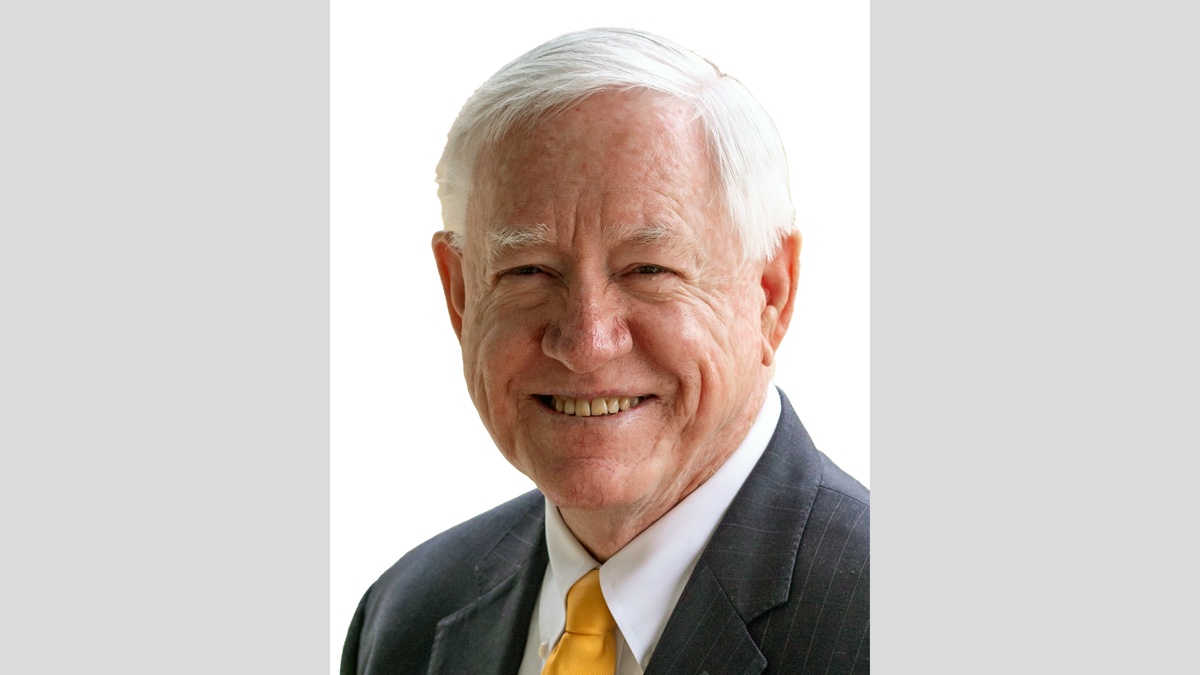

By Marc Gibson
Synopsis: “The foundation of the world” is a key biblical phrase referring to the time of creation. Through its use in the inspired Scriptures, we understand that man has existed since the beginning of time and that God’s great plan for man’s salvation was foreordained in His eternal mind even before the creation of the heavens and the earth.
A foundation is a starting point. Construction of any type of physical building (such as a house, restaurant, or skyscraper) begins with laying a good foundation, and the rest of the work follows. The same is true spiritually. Jesus taught that one who hears His words and does them builds his house on a strong foundation of rock, while the one who does not obey His words builds on a weak foundation of sand (Matt. 7:24-27). When Jesus built His church, He built it on the Rock of truth that He is the Christ, the Son of God (Matt. 16:13-18). He is the one true foundation (1 Cor. 3:9-11), and no church today is pleasing to God unless it is built entirely upon Jesus and His word.
The Bible begins with the words, “In the beginning.” The origin of man, the earth, and the universe is revealed in the Bible. It is also there that man learns his purpose in life and how to prepare for the hereafter. These are subjects about which only God can instruct mankind. We were not present when the foundations of the world were laid (Job 38:4). We cannot direct our own steps in this life (Jer. 10:23) or know when the final day will be (2 Pet. 3:10). Those who would be truly wise will listen closely to God’s revelation to learn the things we cannot know on our own.
The Bible uses the phrase “the foundation of the world” in several passages, and it refers to the beginning of the world. The foundation of the world is described in the first chapter of Genesis as a six-day creation of the heavens and earth and all that is in them. When God completed (finished) His creative work, “He rested from all His work which God had created and made” (Gen. 2:4). This fact is used by the writer of Hebrews in discussing the rest of God:
For we who have believed do enter that rest, as He has said: “So I swore in My wrath, they shall not enter My rest,” although the works were finished from the foundation of the world. For He has spoken in a certain place of the seventh day in this way: “And God rested on the seventh day from all His works” (Heb. 4:3-4).
The “works” that were finished from the foundation of the world were the works of creation, as recorded in Genesis 1—2. Everything mentioned in that chapter was finished “in the beginning.” Jesus affirmed this when He stated that man was made at “the beginning of the creation” (Mark 10:6). Man is the result of the creative act of God that was completed at the foundation of the world, specifically on the sixth day of the creation week. We understand and believe by faith what is revealed in Genesis 1-2: “That the worlds were framed by the word of God, so that the things which are seen were not made of things which are visible” (Heb. 11:3). To say that mankind has not existed since the foundation of the world denies what Jesus said and what the Bible teaches.
The Bible clearly sets forth the truth that man has existed since the creation of the heavens and the earth. Jesus spoke of “the blood of all the prophets which was shed from the foundation of the world” and then identified “the blood of Abel” as the beginning point. Abel was the son of the first human pair. He lived and died in the beginning period of the world. Additionally, Paul wrote that “since the creation of the world His invisible attributes are clearly seen, being understood by the things that are made. . .” (Rom. 1:20). This would make little sense unless the biblical creation account was literally true, with God creating a mature, functioning universe in six days with man present “since the creation” to see His handiwork. Those who put their trust in human wisdom and earthly philosophies often reach conclusions that conflict with the revealed word of the Creator. One must deny the clear teaching of inspired Scripture to assert that man has only recently appeared after millions of years of biological evolution on earth and billions of years of universal cosmic evolution.
Man should accept and appreciate the eternal nature of our God. He is the one who “stretches out the heavens, lays the foundations of the earth, and forms the spirit of man within him” (Zech. 12:1). God is higher and greater than all things. The Psalmist put it best: “Of old You laid the foundation of the earth, and the heavens are the work of Your hands. They will perish, but You will endure; yes, all of them will grow old like a garment; like a cloak You will change them, and they will be changed. But You are the same, and Your years will have no end” (Ps. 102:25-27; Heb. 1:10-12).
God existed before He laid the foundations of the world and will exist after they are gone. In Jesus’s prayer to the Father, He said, “You loved Me before the foundation of the world” (John 17:24). The Father and the Son existed together before our world began, just as Jesus confirmed earlier in His prayer: “Now, O Father, glorify Me together with Yourself, with the glory which I had with You before the world was” (v. 5).
God’s plan by which He would save sinful man was prepared before the world began. The apostle Peter wrote: “Knowing that you were redeemed. . . with the precious blood of Christ, as of a lamb, without blemish and without spot. He indeed was foreordained before the foundation of the world, but was manifest in these last times for you” (1 Pet. 1:18-20). Since the scheme of redemption was prepared beforehand (i.e., foreordained), it can be said that “He [the Father] chose us in Him [Christ] before the foundation of the world, that we should be holy and without blame before Him in love, having predestined us to adoption as sons by Jesus Christ to Himself, according to the good pleasure of His will” (Eph. 1:4-5).
What does this mean? God determined beforehand the type of people that would be His spiritual children—namely, those who hear the word of truth and believe. These believers will fulfill God’s purpose and “inherit the kingdom prepared for you from the foundation of the world” (Matt. 25:34). God’s gracious forethought, love, and longsuffering are on full display in the working of His eternal purpose in Christ Jesus.
In the New Covenant, we have the full revelation of God’s will for man. When Jesus spoke in parables, He was doing so “that it might be fulfilled which was spoken by the prophet, saying: ‘I will open My mouth in parables; I will utter things which have been kept secret from the foundation of the world’” (Matt. 13:35). What Jesus taught, and what was revealed by the Holy Spirit through the apostles, amounted to “all truth” (John 14:26; 16:13). We now have the full revelation of the mystery that previously was a secret in the mind of God before the beginning of the world (Eph. 5:1-5).
Jesus’s death was accomplished to take away the sins of every person who believes and obeys His will. If Jesus’s sacrifice had been like the animal sacrifices of the Law of Moses, “He then would have had to suffer often since the foundation of the world (Again, why state this fact if man and sin did not exist from the beginning of the world? mwg); but now, once at the end of the ages, He has appeared to put away sin by the sacrifice of Himself” (Heb. 9:26). Jesus dying once, and only once, was sufficient to take away sin. He truly is “the Lamb slain from the foundation of the world” (Rev. 13:8).
We are told of those whose names are not “written in the Book of Life from the foundation of the world” and warned about their end (Rev. 17:8; 20:15). Since man was created at the beginning, every human being’s name has either been written in the Book of Life or excluded from the register of the saved. The Christian’s assurance is that his name is written in that Book and will not be blotted out if he remains faithful (Rev. 3:5). Those whose names are found therein at the final judgment will enter God’s holy, eternal city (Rev. 21:27). Hear and obey the words of Jesus today so that your name will be found inscribed in God’s book.
Marc Gibson has labored with the Seffner church of Christ in Seffner, FL, since 2020. He and his wife, Kellie, have four children and two grandchildren. The church website is here and his personal website is here. He can be reached here.




By Larry McClenny
Synopsis: Constancy in prayer is essential in the life of a Christian and is exemplified in Christ’s earthly ministry (Luke 11:5-13; 18:1-8; Rom. 12:12; Eph. 6:17-19; Col. 4:2-4; 1 Thess. 5:17).
We live in unusual times with many disturbing circumstances beyond our control. We can’t control everything in life, and that’s where anxiety can potentially take over. What can we do about it all? We can pray! However, please remember that our prayers must be offered without doubting (James 1:6), in accordance with the Lord’s will (1 John 5:14), and in keeping with the basic principles of prayer found in the New Testament.
Notice the many expressions used when prayer is under consideration in the New Testament:
“Because of his importunity” (Luke 11:8, KJV) (Importunity is persistence in prayer. It is a spirit of not giving up until the answer comes from heaven.)
“Cry to Him day and night” (Luke 18:7, NKJV)
“Constant in prayer” (Rom. 12:12, ESV)
“Praying at all times” (Eph. 6:18, ESV)
“Continue steadfastly in prayer” (Col. 4:2, ESV)
“Pray without ceasing” (1 Thess. 5:17, ESV)
All these phrases emphasize that we should pray at all times, on all occasions, and in all experiences of life.
The constant practice of prayer on Christ’s part led His disciples to ask Him how to pray in Luke 11:1-4. In Jesus’s illustration of prayer, the friend received what he asked for because of his importunity, or persistence (Luke 11:5-10).
Caldwell notes:
The focus of Jesus’s message is upon the courageous spirit that boldly comes to God asking for what is needed. Faith is, of course, implied. If an ordinary neighbor will give what is needed when one bravely comes to him, how much more should we depend upon our heavenly Father, who loves us, to give what we need. The point is that. . . God cares for us and is not troubled by our requests. Jesus wants us to know that we should not lose heart. We should come to God and pray, knowing that He will respond. Such faith evidences trust that God truly loves us and will supply our needs. The prayer of faith believes that God will respond” (The Gospel According to Luke, 655).
According to Luke’s account, when Jesus came up out of the water of baptism, He came up praying (Luke 3:21-22). What was the point of Jesus’s prayer? Considering the circumstances, it was likely a prayer for self-sacrifice and total dedication to the work of His Father. However, the point I want to make is that Jesus began His public ministry with prayer. It is also a reminder that it is vitally important to teach new converts the importance of prayer in their lives. This includes setting up Bible studies with new converts that teach the first principles of the doctrine of Christ as well as instruction about prayer. We have done that very thing with our new converts at the Rice Road church in Tyler. It has been profitable both to the new converts and to those teaching the classes.
According to Mark’s account, Jesus began His day’s work in prayer (Mark 1:35-39). Do we find a few moments with God before we begin our day’s work? There is no doubt that it will make our work better if we begin with prayer.
According to Matthew’s account, Jesus closed His day’s work in prayer (Matt. 14:21-23). Do we know what He was praying? Maybe we do. Notice the parallel account in John says, “Perceiving then that they were about to come and take Him by force to make Him king, Jesus withdrew again to the mountain by Himself” (6:15). On this occasion, Jesus was riding the crest of popularity. The people were ready to make Him, by force, a king. It would be a temptation for Jesus to bypass the cross and allow them to crown Him as an earthly king. This should be a great lesson to us: when everything is going extremely well, it could be one of the most dangerous periods of our lives. We tend to become self-sufficient and forget who is in control of our lives and who is able to give us every good and perfect gift. That is why it is so vitally important that we pray with humility, knowing that our prayers are addressed to the Creator of the universe.
Luke records that, on one occasion, Jesus spent all night in prayer (Luke 6:12-13, 17). Why? These verses reveal that Jesus was about to make a decision of great importance and consequence. He was about to select His twelve apostles. What kind of men did the Lord need as His apostles? Jesus wanted good men who would be teachable and would carry out His work in His way (Matt. 18:3-4). Before Jesus selected these men, He prayed all night. When we have decisions of great importance and consequence, we should pray fervently to God that He will guide us and give us wisdom in making the best possible decisions.
It takes a contrite heart—a heart of utter helplessness and a feeling of abject poverty before God—to approach our heavenly Father in prayer. Those who are arrogant, proud, and conceited see no need for God or Jesus Christ. That is why it is so important humbly to pray to God all the time and not just when we feel the world is falling in on us.
If we begin our day in prayer and close our day in prayer, let’s see if it does not change our attitude and course in life.
Are we asking God in prayer constantly, continuously, always, fervently, and with importunity about whom we should marry, where we should live, where we should go to college, what job we should take, where we should retire, and where we should attend services? Constant prayer can transform our lives.
On the Mount of Transfiguration in Luke 9:28-31 and Matthew 17:2-3, the text says that Jesus’s face was altered or transfigured. This is, by the way, the same Greek word Paul uses in Romans 12:1-2 where he tells us that we need to be “transformed by the renewal of our minds.” Luke said that it was while Jesus was praying that “the appearance of His face was altered (or transfigured) and His clothing became dazzling white.”
What does this say to us? The obvious answer is that there is no greater transforming power of the mind than Jesus Christ. If we expect a transformation of our minds, not only must we constantly study the word of God, meet consistently to worship Him, and live lives according to God’s word, but we must also continue steadfastly in prayer.
Hear the Lord’s admonition:
And I say to you, ask, and it will be given to you; seek, and you will find; knock, and it will be opened to you. For everyone who asks receives, and he who seeks finds, and to him who knocks it will be opened (Luke 11:9-10)
The idea here is to keep on asking, to keep on seeking, and to keep on knocking. This suggests constant and continuous action on our part.
When Jesus states, “So I say to you,” He is expressing complete knowledge, certainty, and authority regarding prayer. He encourages us actively to seek blessings from God.
Caldwell notes:
Our role (in prayer) is to ask, not to presume, demand, or take for granted. We must go to God (in prayer) with humility” (The Gospel According to Luke, 656)
“For everyone” encompasses all disciples of Christ, which includes you and me. Therefore, we know that the Lord is willing and ready to hear our petitions to Him. “For everyone” also reminds us that the benefits of prayer belong to those whose hearts long for and desire God’s righteousness—hearts that are contrite, humble, and pure.
James makes it clear that the double-minded man, whose asking is without faith, uncertain, and half-hearted, will not receive anything from the Lord (Jas. 1:5-8). That is why we must ask in faith, “according to the Lord’s will, and with priorities that put God and His will first in our lives” (Caldwell, 657).
Seeking involves not only persistent and fervent prayers to God, but also pursuing the righteousness of God. It involves pursuing knowledge and a relationship with Him. It is evident that God has reached out to us through His word; therefore, if we seek Him, we will find Him.
“Knock” suggests that we persistently seek admission to the kingdom of God. As we continuously knock (through prayer), we will have the door opened unto the very presence of God.
James warns: “You ask and do not receive, because you ask amiss, that you may spend it on your pleasures” (4:3).
Earnhart adds:
The basis of our confidence in seeking the kingdom of heaven rests securely on God’s desire and ability to give “good gifts” to His children. Some of our prayers may not receive a positive reply because our Father in His grace and wisdom knows they will not be “good gifts”. . . And, so far as our other longings go, there is a great security in knowing that if, in our innocence and genuineness of spirit (“for we do not know what we should pray for as we ought,” Romans 8:26), we ask for a stone instead of bread, our Father will not grant it (Invitation to a Spiritual Revolution, 133-134).
What a wonderful blessing it is for us to recognize without question that God knows what is best for us when we pray humbly and earnestly to Him! What comfort it brings to know that God’s response will always be for our best interest spiritually! May we take great consolation in understanding that God always knows what is best for us. This will free us to pour out our hearts to God, knowing that He hears us and will answer us in the right way.
Barclay concludes:
God will always answer our prayers; but He will answer them in His way, and His way will be the way of perfect wisdom and of perfect love. Often, if He answered our prayers as we at the moment desired, it would be the worst thing possible for us, for in our ignorance we often ask for gifts which would be our ruin. This saying of Jesus tells us not only that God will answer, but also that God will answer in wisdom and in love” (The Gospel According to Matthew, 313).
We would do well to consider these three admonitions: (1) Before we make major decisions, make sure we ask God for wisdom and direction; (2) Begin your day in prayer, pray before every meal, and end your day in prayer. Pray many times throughout each day; (3) Go through the church directory and pray for every single person by name.
Barclay, William. The Gospel According to Matthew, Volume 1: The New Daily Study Bible. Edinburgh: Saint Andrew Press, 2001.
Caldwell, C.G. “Colly.” The Gospel According to Luke: Truth Commentaries. Bowling Green, Kentucky: Guardian of Truth Foundation, 2011.
Earnhart, Paul. Invitation to a Spiritual Revolution: Studies in the Sermon on the Mount. Chillicothe, OH: DeWard Publishing Ltd., 2009.
Larry McClenny has worked at the Rice Road church of Christ in Tyler, TX, for the last nine years. He and his wife, Cristy, have two children. The church website is here. He can be reached here.



By Brandon Slater
Synopsis: The word “Nehushtan” comes from the Hebrew Nechushtan, derived from nechosheth (copper, bronze), which literally means “a piece of brass” or “a brazen thing.” This article reminds us we should not stand on the power of the Nehushtan; rather, we stand on the power of the Lord.
The World English Bible (WEB) renders 2 Kings 18:1-5 as follows:
Now in the third year of Hoshea son of Elah king of Israel, Hezekiah the son of Ahaz king of Judah began to reign. He was twenty-five years old when he began to reign, and he reigned twenty-nine years in Jerusalem. His mother’s name was Abi the daughter of Zechariah. He did that which was right in Yahweh’s eyes, according to all that David his father had done. He removed the high places, and broke the pillars, and cut down the Asherah. He also broke in pieces the bronze serpent that Moses had made, because in those days the children of Israel burned incense to it; and he called it Nehushtan. He trusted in Yahweh, the God of Israel; so that after him was no one like him among all the kings of Judah, nor among them that were before him.
Hezekiah was one of the few faithful kings who reigned in the ancient kingdom of Judah. He sought to surrender to and trust in the Lord throughout his life. He stands in contrast with the intentionally evil kings who turned their hearts away from Yahweh. Hezekiah was not perfect, but the Lord made a sure record of him with the words: “He did right in the sight of Yahweh,” and “there was no one like him among all the kings of Judah.” This remarkable description was from the Lord Himself. There are many reasons Hezekiah was indeed remarkable, yet we will only examine one reason in this article.
The bronze serpent, originally mentioned in Numbers 21, was apparently preserved for some 700 years through the generations of Israel. We do not see in Scripture why this occurred. We also do not see in Scripture that the Lord commanded them to preserve it. The bronze serpent had been constructed by the order of God so that the children of Israel might gaze upon it and be healed from the venomous snakebites inflicted because of their rebellion. Yet Yahweh gave them a way of restoration through His grace. The power of healing came not from the bronze serpent; instead, it came only from El Shaddai, the Almighty.
Sadly, somewhere along the line, the children of Israel began worshipping this bronze serpent. They burned incense to it, as though it were some form of deity. Righteous Hezekiah destroyed it. His discernment, wisdom, and understanding shone through his decision. He recognized it was a physical object with no inherent power. This is something striking that we all must grasp. There is no divine power in physical objects, nor in physical ceremonies.
Divine power that saves and forgives only comes from heaven. The condition to receive such power has always been faith—biblical faith as defined in Scripture. We must manifest a faith that surrenders and obeys, no matter the cost. Genuine faith acts on “thus saith the Lord,” regardless if it makes sense to the human mind or not.
When the apostle Peter wrote, “baptism now saves you,”” he was guided by inspiration to offer this clarification: “not the putting away of the filth of the flesh, but the answer of a good conscience towards God, by the resurrection of Jesus Christ” (1 Pet. 3:21). Salvation does not come from the water itself. It is the pledge made to God as one submits to baptism. The condition of faith is met when one submits to baptism, even though no one fully understands how or why this works. The saving power comes from the resurrection of Jesus Christ.
Just as the children of Israel were told, “Look at the bronze serpent and you shall live,” baptism works the same way. There is no power in the serpent, and none in the water; instead, the power of salvation is accessed through acts of obedient faith and full surrender to the will of God.
You see, everything regarding living for and worshipping the Lord works this way. There is no power in a church building. There is no power in a hymnbook. There is no power in the substances we partake of for the Lord’s Supper. There is no power in a prayer journal or prayer closet. All power is of God in heaven.
We must be careful to make this distinction lest we fall into idol worship, as did the children of Israel in this account. Idolizing objects—or the deeds connected to those objects—is not giving glory to the Lord. We must recognize how God’s grace is accessed. We must also understand the proper role of expedients, such as church buildings, hymn books, Lord’s supper utensils, and similar items. If we fail to recognize their role, we risk idolizing them and saying, “This is the only true, right way to do this.”
Suppose we found scrolls of hymns from the apostles and used them. Let’s say we found the ancient Lord’s Supper utensils and used them. Would such antiquity cause them to become sacred relics? No. We still run into the same problem we began with in this article. . . giving power to objects.
Thos who pursue this course ignorantly or hypocritically deem their human methods superior. It becomes idolatry if men do not make this distinction. What an irony! Aren’t you glad the Lord did not give us specific instructions for objects to be used in worship? He gives us these freedoms, so that we might understand grace. He gives us these freedoms so that we do not rest in objects or traditions. Do you stand on the power of the Nehushtan or the power of the Lord?
Brandon Slater labors with the Green Meadow church of Christ in San Angelo, TX. Brandon says, “I came to Christianity from Atheism in 2006. By attempting to destroy and disprove the Bible, the Bible destroyed my arguments and disproved me. Early in my walk, I developed a love for studying the Scriptures and was eventually asked to preach. I have been a bi-vocational preacher since 2012, and now I am full time.”He and his wife, Heather, have been married for seventeen years. They have four children, from ages 8 to 15. The church website is here. He can be reached here.



Note: Please send additions, corrections and updates here.
Updated: 9/1/2025
17312 Jones Rd, Athens, AL 35613
Sun. Bible Study 9:30 am | Sun. Worship: 10:20 am & 5:00 pm | Wed. Bible Study 7:00 pm
Evangelist: Jonathan Reeder | Website | 256-233-3160
24190 Wooley Springs Rd, Athens, AL 35613
Sun. Worship 9:30 am & 5:15 pm | Wed. Bible Class 7:00 pm
Evangelists: Bob Watson & Matt Taylor | Website
3955 Pine Lane, Bessemer, AL 35022
Sun. Bible Study 9:10 am | Sun. Worship 10:00 am & 5:00 pm | Wed. Bible Class 7:00 pm
Evangelist: David Deason | 256-497-8127 205-425-2352 | Email | Website
2325 Old Columbiana Rd. (near I-65 & Hwy. 31)
Sun. Bible Study 9:00 am | Worship 10:00 am & 5:00 pm | Wed. Bible Study 7:00 pm
Evangelist: Kyle Pope | 205-822-0018 | Website
19965 Sandlin Rd. Elkmont, AL 35620
Sun. Worship 9:30 am & 3:00 pm | Bible Classes: 10:45 am | Wed. Bible Study 7:00 pm
Evangelist: Lance R. Taylor | 256-777-0990 | Website
851 N. Pine St. (Located next to University campus)
Sun. Bible Study 9:30 am | Worship 10:15 am & 5:00 pm | Wed. Bible Study 7:00 pm
Evangelist: Kenny Moorer | 256-766-0403
601 Pineywood Road, Gardendale, AL, 35071 (Located 10 miles N of Birmingham)
Sun. Bible Study 9:30 am | Worship: 10:25 am & 5:00 pm | Wed. Bible Study: 7:00 pm
Evangelists: Andrew Smith & Jason Shackleford | 205-631-2131 | Website
129 Hillcrest Rd, Mobile, AL 36608
Sun. Worship 9-9:30 am | Bible Study 9:30-10:30 am | Worship 10:30-11:30 am | Wed. Bible Study 7:00 pm
Evangelist: Ken Sils | 765-307-8048 | 251-342-4144 or 342-2041 | Website
271 Highway 65 N, Conway, AR 72032
Sun. Bible Study 9:00 am | Worship 10:00 am & 5:00 pm | Wed. Bible Study 7:00 pm
Evangelist: Bruce Reeves | Bldg: 501-336-0052 | Website
2655 Prince St., Conway, AR 72034
Sun. Worship 9:00 pm | Bible class 9:50 am | Worship & Lord’s Supper: 10:40 am | Wed. Bible Class 7:00 pm
501-450-8640
2323 South 46th St.
Sun. Bible Study 9:45 am | Worship 10:30 am | Wed. Bible Study 7:00 pm
407 Bella Vista Dr.
Sun. Bible Study 9:30 am | Worship 10:15 am & 5:00 pm | Wed. Bible Study 7:00 pm
Evangelist: Norman E. Sewell | 870-741-9104 or 870-741-5151 | Website
514 Airport Rd.
Sun. Bible Study 10:00 am | Worship 11:00 pm & 6:00 pm | Wed. Bible Study 7:00 pm
Evangelist: Dick Blackford | 870-933-9134
145 N. Country Club Rd.
Sun. Bible Study 9:00 am | Worship 10:00 am & 6:00 pm | Wed. Bible Study 7:00 pm
Evangelist: Brenden Ashby | 520-326-3634 | Website
17903 Ibbetson Ave.
Sun. Bible Study 9:45 am | Worship 10:50 am & 6:00 pm | Wed. Bible Study 7:30 pm
562-866-5615 | Website
3433 Studebaker Rd.
Sun. Bible Study 9:50 am | Worship 10:45 am & 5:30 pm | Wed. Bible Study 7:00 pm
JP Flores | 562-420-2363 or Mark Reeves | 562-377-1674 | Website
449 W. Allen Ave., Suite 120, San Dimas, CA 91773
Sun. Bible study 10:00 am | Worship 11:00 pm & 4:00 pm | Wed. Bible Study 7:30 pm
909-788-9978 | Website
Meets at the Fort Collins Senior Center, 1200 Raintree Dr., Fort Collins, CO 80526
Sun. Bible Study 9:30 am | Worship 10:30 am
Evangelist: Richie Thetford | Website
1414 Hawk Parkway, Unit C
Sun. Worship 11:00 pm | Bible Study 2 pm & 1:30 pm
970-249-8116 |
64 Casting Lake Rd.
Sun. Bible Study 9:00 am | Worship 10:00 am & 6:00 pm | Wed. Bible Study 7:00 pm
850-622-3817 | Website | Location change coming in 2022: 497 Church St Santa Rosa Beach, FL 32459
196 Ave C, Geneva, FL 32732
Sun. Bible Study 10:00 am | Worship 10:45 am
(689) 229-9888 | Website
6 Lane Dr., Mary Esther, FL 32569
Sun. Bible Study 9:30 am | Worship 10:30 am & 5:00 pm | Wed. Bible Study 7:00 pm
850-244-9222 | Website | Evangelist: Chris Simmons | Email
3940 S. Bumby Ave.
Sun. Communion: 9:30 am | Bible Study 10:00 am | Praise & Preaching: 10:55 am (No pm Service) | Wed 7:00 pm
Evangelist: Ken Chapman
Office: 407-851-8031 | Website | Note: Please call for current worship and Bible study times.
621 E. Wheeler Rd.
Sun. Bible Study 10:00 am | Worship 10:50 am & 6:00 pm | Wed. Bible Study 7:30 pm
Evangelist: Bobby Witherington | 813-684-1297 | Website
Route 116 (near Callaway Gardens)
Sun. Bible Study 10:00 am | Worship 11:00 pm & 6:00 pm | Wed. Bible Study 7:30 pm
Evangelist: Tommy W. Thomas | 706-628-5117 or 628-5229 |
Meeting at 321 2nd St. S., Ste. 103, Nampa ID 83651
Sun. Bible Study 10:00 am | Worship 11:15 am | Wed. Bible Study 7:00 pm
208-461-1318 | Email | Website or here
Note: Please see website for most current information.
370 N. Shilling | P.O. Box 158-83221
Sun. Bible Study 10:00 am | Worship 11:00 pm | Wed. Bible Study 7:30 pm
208-785-6168 or 681-1552
1310 NE 54th Ave, Des Moines, IA 50313
Sun. Bible Study 9:45 am | Worship 10:40 am | Wed. Bible Study 7:00 pm
515-262-6799 | Website
1236 63rd St. (Dir: 1.5 miles E of I355)
Sun. Bible Study 9:00 am | Worship 9:55 am & 6:00 pm | Wed. Bible Study 7:30 pm
Evangelist: Steve Wolfgang | 630-968-0760 | Website
1100 S. 17th St.
Sun. Bible Study 9:30 am | Worship 10:30 am & 6:00 pm | Wed. Bible Study 7:00 pm
217-234-3702
16224 S Vincennes Ave.
Sun. Bible Study 9:00 am | Worship 10:00 am & 4 pm | Wed. Bible Study 7:00 pm
Evangelist: Donald Hawkins | 708-339-1008 | Website
Meeting @ Sleep Inn Suites and Motel | 1101 North Cummings Lane, Washington, IL 61571
Sun. Worship: 11:30 am | Bible Study: 12:30 pm | Wed. Bible Study 6:30 pm @ home of Tim Sundlie, call for address
Evangelist: Tim Sundlie | 608-796-9028 | Email | Website
407 W Lewis and Clark Parkway, Clarksville, IN 47129
Sun. Bible Study 9:30 am | Worship 10:30 am & 6:00 pm | Wed. Bible Study 7:30 pm
Elders: Allen L. Morris (812) 989-5838 and Stephen W. Nale (502) 727-7559 or (812) 944-2305 | Website
Sun. Bible Study 9:30 am | Worship 10:30 am | Wed. 7:00 pm
765-676-6404 | Website
15530 Herriman Blvd, 46060
Sun. Bible Study 10:00 am | Worship 11:00 am | Wed. Bible Study 7:00 pm
Evangelist: John Smith | Email | 317-501-8035 or 317-501-0249 or 317-701-1204
400 Lafayette Ave. | P.O. Box 34
Sun. Bible Study 9:45 am | Worship 10:30 am & 6:00 pm | Wed. 7:00 pm
812-279-4332
(First St. & Karnes Ct.)
Sun. Bible Study 9:45 am | Worship 10:30 am & 5:00 pm | Wed. Bible Study 7:00 pm
Evangelist: Jeremy Goen | 812-967-3437 or 967-3520 | Website
302 S. Fourth Ave., Mulvane KS 67110 | Mail: PO Box 11
Sun. Bible Classes: 10:00 am | Worship 11:00 am | Wed. Bible Study 7:00 pm
Evangelist: Jay Horsley | 316-644-8503 | Website | Email
5600 SW 17th St, Topeka, KS 66604
Sun. Bible Study 9:15 am | Sun. Worship 10:30 am | Wed. Bible Study 7:00 pm
785-235-8687 or 785-273-7977 | Website
1235 Williams St.
Sun. Worship 10:00 am | Bible Study After am Worship & 6:00 pm | Wed. Bible Study 7:00 pm
Evangelist: Jerid Gunter | 270-274-4451
8081 US Hwy 68-East, Benton, KY 42025
Sun. Bible Study 9:00 am | Worship 10:00 am | Wed. Bible Study 6:00 pm
270-354-9451 | Email | Website | Conveniently located near Kenlake State Resort Park on the western shore of Kentucky Lake.
612 Broadway
Sun. Bible Study 9:45 am | Worship 10:30 am & 5:00 pm | Wed. Bible Study 6:30 pm
Evangelist: Charles J. White | 270-422-3878
107 Sunny Hill Dr.
Worship 9:30 am & 11:30 am | Bible Study 10:30 am | Wed. Bible Study 7:00 pm
Evangelist: Steve Lee | 270-789-1651 | Website
103 N. Main St. | P.O. Box 233
Sun. Bible Study 10:00 am | Worship 10:45 am & 5:00 pm | Wed. Bible Study 7:00 pm
Evangelist: Jarrod Jacobs | 270-589-4167 or 270-274-3065
385 E. Lexington Ave.
Sun. Worship 10:00 am | Bible Study 11:15 am & 5:00 pm | Wed. Bible Study 7:00 pm
Evangelist: B.J. Sipe | 859-236-4204
18 Scott Drive, Florence, KY 41042
Sun. Worship 9:30 am & 5:30 pm | Sun. Bible Study 10:30 am | Wed. Bible Study 7:00 pm
859-371-2095 | Website
1733 Bowling Green Rd.
Sun. Bible Study 9:00 am | Worship 10:00 am & 6:00 pm | Wed. Bible Study 7:00 pm
Evangelist: Steve Monts | 270-776-9393 | Website
733 Mill St. Leitchfield, KY 42754
Sun. Bible Study 9:30 am | Worship 10:00 am Communion 10:55 am | Wed. Bible Study 6:00 pm
270-230-6144 | Website
1803 Dixie Garden Dr.
Sun. Bible Study 9:30 am | Worship 10:30 am & 6:00 pm | Wed. Bible Study 7:00 pm
Evangelist: Michael Hardin | Email | 502-937 2822
3221 East Hebron Lane
Sun. Bible Study 9:00 am | Worship 10:00 am & 5 pm | Wed. Bible Study 7:30 pm
Evangelist: Danny Linden & Ron Halbrook | 502-957-5115 or 502-955-1748 | Website
405 Orice Roth Rd. | 70737 (Baton Rouge area)
Sun. Bible Class 9:30 am | Worship 10:30 am & 6:00 pm | Wed. Bible Study 7:00 pm
Evangelist: R.J. Evans | Email | 225-622-4587
856 Brighton Ave. (Breakwater School) | Leave Maine Turnpike at Exit 48
Sun. Bible Study 10:00 am | Worship 11:00 pm w/ second service immediately following am worship | Mid-week Bible Study (please call for times & places)
207-839-3075 or 839-8409
3084 Creek Drive SE, #1-C, Kentwood, MI 49512 | P.O. Box 8446, Kentwood, Mich. 49508 (Grand Rapids area)
Sun. Worship 11:00 am | Sun. Bible Study 12:30 pm | Wed. Bible Study 7:00 pm
Evangelist: Joseph Gladwell | Email
414 South Main Street
Sun. Bible Study 10:00 am | Worship 11:00 am | Wed. Bible Study 6:00 pm
Evangelist: Ryan Thomas | 810-837-1302 or 989-389-3226 | Website
2820 Grandview Ave, Meridian, MS 39305
Sun. Bible Study 10:00 am | Sun. Worship 11:00 pm | Wed. 6:30 pm
Ron Cooper: 601-934-3675 | Email
Ricky Ethridge: 601-737-5778 | Email
2110 E State Line Rd. (Exit I-55) (Memphis area)
Sun. Bible Study 9:30 am | Worship 10:30 am | Wed. Bible Study 7:00 pm
Evangelist: James A. Brown | Bldg: 662-342-1132
805 Meadow Rd, Severn, MD 21144
Sun. Bible Study 10:00 am | Sun. Worship 11:00 pm & 6:00 pm | Wed. Bible Study 7:30 pm
Evangelist: Brandon Trout | 410-969-1420 or 410-551-6549 | Website
422 N Linton St., Blodgett, MO 63824
Sun. Worship 10:00 am | Wed. Bible Study 7:00 pm
Evangelist: Russell Rice | 573-475-0417
4000 SW Christiansen
Sun. Worship 9:00 pm | Bible Study 10:00 am | Worship 11:00 pm | Wed. Bible Study 7:00 pm
Evangelist: Brett Hogland | 816-228-9262
432 Eagle Rock Rd, Branson, MO 65616
Sun. Worship 9:30 am | Bible Study 10:30 am | Sun. Evening Worship 5:00 pm | Wed. Bible Study 6:00 pm
Evangelist: Philip North | 417-239-1036 | Email | Website
2912 Bloomfield Rd
Sun. Bible Study 9:15 am | Worship 10:00 am | Wed. Bible Study 7:00 pm
Seth McDonald & Jerry Lee Westbrook | 573-837-1001 | Email | Website
703 Harrison St.
Sun. Bible Study 10:00 am | Worship 11:00 pm & 6:00 pm | Wed. Bible Study 7:00 pm
Evangelist: Nolan Glover | 870-650-1648 | Website
685 Sidney St.
Sun. Bible Study 9:30 am | Worship 10:15 am & 5:00 pm | Wed. Bible Study 7:00 pm
Evangelist: Lynn Huggins | 573-265-8628
2727 County Line Rd.
Sun. Bible Study 9:00 am | Worship 9:50 am | Wed. Bible Study 7:00 pm
816-279-4737 | Website
Bell St & S 7th St. Beatrice, NE 68310
Sun. Bible Study 9:00 am | Worship 10:00 am & 6:30 pm
402-233-4102 or 402-228-3827 | Website
5327 S. Tryon Street, Charlotte, NC 28217
Sun. Bible Study 9:30 am | Sun. Worship 10:30 am | Wed. Bible Study 7:30 pm
704-525-5655 | Website
3781 East Highway 27, Iron Station, NC 28080
Sun. Bible Study: 10:00 am | Sun. Worship 11:00 am & 6:00 pm | Wed. Bible Study 7:00 pm
Evangelist: Stan Adams | 704-748-9777 (Bldg) & 704-748-3747 (Jerry) | Email | Website
1031 Welford Dr, Beavercreek, OH 45434 (located a few miles E of Dayton)
Sun. Short Worship: 9:30 am | Bible Study 10:05 am | Sun. Worship 11:00 am | Wed. Bible Study Adults: 1:00 pm & All ages: 7:00 pm
Evangelist: Heath Rogers | 937-426-1422 | Website
13501 Lorain Ave, Cleveland, OH 44111
Sun. Bible Study 10:00 am | Worship 11:00 am | Wed. Bible Study 7:00 pm (Call)
Evangelist: John Dicus | (330) 723-0111 or (330) 590-0227 or (216) 322-9392 | Website
28 W. Main St., Dayton, OH 45449
Sun. Worship 9:00 pm | Bible Study 9:30 am | Worship 10:25 am | Wed. Bible Study 7:00 pm
Evangelists: Michael Grushon 937-866-5162 or Alan Beck 937-469-3311 | Website
6417 Franklin-Lebanon Rd. Franklin, OH 45005
Sun. Bible Study 10:00 am | Worship 10:45 am | Tues. Bible Study 6:30 pm
Evangelist: Josh Lee | 937-789-8055 or 937-746-1249 | Website
1973 W Main St. New Lebanon, OH 45345
Sun. Bible Study 9:30 am | Worship 10:30 am, & 5:00 pm | Wed. Bible Study 7:00 pm
Evangelist: Bruce Hastings | 937-687-7150 or 937-478-0367
80 Sandhill Rd. Reno, OH 45773
Sun. Bible Study 9:30 am | Worship 10:30 am & 6:30 pm | Wed. Bible Study 7:00 pm
Evangelist: Mark Childers | 304-615-1091 | 740-374-9827 | Website
4110 Frey Rd., Northwood, OH 43619 (Toledo Area)
Sun. Worship 11:00 pm
Evangelist: Donald Jarabek | 419-893-3566 & 567-331-2269
33226 Children’s Home Rd., Pomeroy, OH 45769
Sun Worship 10:00 am & 5 pm | Bible Study 11:00 am | Wed. Bible Study 6:00 pm
Jack Hunt | Email | 740-645-4612 | Website
2120 No. A St.
Sun. Bible Study 9:45 am | Worship 10:45 am & 5:30 pm | Wed. Bible Study 7:00 pm
Evangelist: Rob Lungstrum | 918-931-1362 or 918-423-3445
4110 NE 122nd Ave #101, Portland, OR 97230
Sun. Bible Study 10:00 am | Worship 11:00 am | Thur. Bible Study 7:00 pm
Evangelist: Samuel A. Matthews | 971-331-2838 | Bldg: 503-432-8697 | Email | Website
3702 E. Long St.
Sun. Bible Study 9:30 am | Worship 10:30 pm & 5:30 pm | Wed. Bible Study 7:30 pm
Bldg: 541-367-1599 | Email | Website
7222 Germantown Ave, Philadelphia, PA 19119
Sun. Bible Study 10:15 am | Sun. Worship: 11:15 am | Tues. Bible Study: 7:00 pm
Evangelist: James H. Baker, Jr. | 215-248-2026 | Website
3000 Trotter Rd. Hopkins, SC 29061
Sun. Bible Study 10:00 am | Worship 11:00 am & 3:00 pm
Building Phone: Bldg: 803-600-2297
Contacts: Brad McCleary | Email | 803-587-2774
Charles Foxworth | Email | 360-303-2029
David Gibson | Email | 803-419-4802
3370 Broad St. Extension
Sun. Bible Study 9:30 am | Worship 10:30 am & 5:30 pm | Wed. Bible Study 7:00 pm
Evangelist: A.A. Granke, Jr. | 803-499-6023
4013 Edmund Hwy. (Hwy. 302), West Columbia, SC 29170
Sun. Bible Study 9:30 am | Sun. Worship 10:30 am & 5:00 pm | Wed. Bible Study 7:00 pm
Evangelist: Jerry Cleek | 219-313-1108 | Website
326 Powell Road, Collierville, TN 38017
Sun. Bible Study 9:00 am | Worship 10:00 am | Wed. Bible Study 7:00 pm
Evangelist: Doug Seaton | 901-854-6816 or 901-634-7840
417 Mooresville Pike | (Located .8 mi. N. of Hwy. 50/Jas. Campbell)
Sun. Bible Study 9:30 am | Worship 10:30 am & 3:30 pm | Wed. Bible Study 7:00 pm
931-388-5828 or 931-381-7898 | Website
4894 Hooper Hwy. | 37722 | (Located 15 mi. E. of Gatlinburg on Hwy. 321)
Sun. Bible Study 10am | Worship 11:00 pm & 5:00 pm | Wed. Bible Study 6:00 pm
Evangelist: Olie Williamson | 423-487-5540 or 423-748-0844
350 N Main St. Kingston Springs, TN 37082
Sun. Bible Study 9:00 am | Worship 10:00 am & 5:00 pm | Wed. Bible Study 7:00 pm
108 Locust St.
Sun. Bible Study 9:30 am | Worship 10:30 am & 5:00 pm | Wed. Bible Study 7:00 pm
Evangelist: Daniel H. King, Sr. | 931-379-3704 or 931-964-3924 | Website
1110 Cason Lane
Sun. Bible Study 9:00 am | Worship 10:00 am & 5:00 pm | Wed. Bible Study 7:00 pm
Bldg: 615-896-0090 | Website
2091 Pitts Ln, Murfreesboro, TN 37130 (located at the corner of Northfield Blvd and Pitts Lane)
Sun. Bible Study 9:30 am | Sun. Worship 10:30 am & 6:00 pm | Wed. Bible Study 7:00 pm
Evangelist: David Bunting | 615-893-1200 | Website
7471 Charlotte Pike
Sun. Bible Study 9:00 am | Worship 10:00 am & 5:00 pm | Wed. Bible Study 7:00 pm
Evangelist: Lee Wildman | 615-952-5458 or 615-356-7318
1414 W. Exchange Pkwy
Sun. Bible Study 9:00 am | Worship 10:00 am & 5:00 pm | Wed. Bible Study 7:00 pm
Evangelist: Jerry King 214-504-0443 or 972-727-5355 | Website
4343 S Interstate 35, Alvarado, TX 76065 (Located on the East Service Road off I-35 North of Alvarado)
Mail: I-35 church of Christ, P.O. Box 1269, Alvarado, TX 76009
Sun. Bible Study 10:00 am | Worship 11:00 am | Wed. Bible Study 7:00 pm
682-202-9741 or 817-739-3402 | Website
605 E. Adoue St., Alvin, TX 77511
Sun. Bible Study 9:30 am | Worship 10:30 am & 5:00 pm | Wed. Bible Study 7:30 pm
Evangelist: Mark Mayberry | Email | Website
701 North Pruett St.
Sun. Bible Study 9:45 am | Worship 10:40 am & 6:30 pm | Wed. Bible Study 7:00 pm
Bldg: 281-422-5926 | Weldon: 713-818-1321 | Website
2919 Main St/FM 517 E., Dickinson, TX 77539
Sun. Bible Study 10:00 am | Sunday Worship 11:00 am & 6:00 pm | Wed. Bible Study 7:00 pm
713-298-6673
301 Robison St.
Sun. Bible Study 9:30 am | Worship 10:30 am & 6:00 pm | Wed. Bible Study 7:00 pm
Evangelist: Phillip Stuckey | 361-782-5506 or 361-782-2844 | Website
6110 White Settlement Rd. 76114
Sun. Bible Study 9:30 am | Worship 10:30 am & 6:00 pm | Wed. Bible Study 7:30 pm
817-738-7269
4303 18th St, Bacliff, TX 77518
Sun. Bible Study 9:00 am | Sun. Worship 10:00 am & 6:00 pm | Wed. Bible Study 7:00 pm
Evangelist: Richard Lay | Website
Old Granbury Rd Church of Christ
4313 Old Granbury Rd, Granbury, TX 76049
Sun. Bible Study 9:30 am | Sun. Worship 10:30 am | Wed. Bible Study 7:00 pm
Evangelist: Chip Foster | 817-913-4209 or 817-279-3351 | Website
2510 Fry Rd, Houston, TX 77084
Sun. Bible Study 9:45 am | Worship 10:30 am & 6:00 pm | Wed. Bible Study 7:00 pm
Evangelist: David Flatt | Email | Website
6111 Indiana Ave, Lubbock, TX 79413
Sun. Bible Study 10:00 am | Sun. Worship 9:00 am & 11:00 am | Wed. Bible Study 7:00 pm
806-795-3377 | Website
1820 Mansfield Webb Rd, Mansfield, TX 76063
Sun. Bible Study 9:30 am | Sun. Worship: 10:20 am & 5:00 pm | Wed. Bible Study 5:30 pm.
Evangelist: Tom Roberts | 817-996-3926 | Website
612 S Shawnee St, Nacogdoches, TX 75961
Sun. Bible Study 9:45 am | Worship 10:30 am & 6:00 | Wed. Bible Study 6:00 pm
Minister: Van Dennis | 936-615-2950
3831 N.E. Stallings Dr.
Sun. Bible Study 9:30 am | Worship 10:20 am & 6:00 pm | Wed. Bible Study 7:00 pm
Evangelists: Randy Harshbarger & Jay Taylor
268 Utopia Ave. (Dir: I-37 S.E. Exit Pecan Valley)
Sun. Bible Study 9:30 am | Worship 10:30 am & 5:00 pm | Wed. Bible Study 7:00 pm
Evangelist: Jesse Garcia | 210-660 0409
314 N. Tolbert
Sun. Bible Study 9:30 am | Worship 10:30 am & 5:00 pm | Wed. Bible Study 7:00 pm
Evangelist: Ronald Stringer
4404 Twin City Blvd.
Sun. Bible Study 9:30 am | Worship 10:30 am & 6:00 pm | Wed. Bible Study 7:30 pm
Evangelist: Jason Garcia Email or Email | 254-939-0682 | Website
2301 Franklin Dr., Texarkana, AR 71854
Sun. Bible Study 9:30 am | Worship 10:15 am | Wed. Bible Study 7:00 pm
870-772-0746 | Website
340 E Warren St. (in Hewitt, a suburb of Waco)
Sun. Bible Class 9:30 am | Worship 10:30 am & 5:00 pm | Wed. Bible Study 7:00 pm
Evangelist: Marc Smith | 254-292-2482 or 652-7698
4500 Kell West Blvd, Wichita Falls, TX 76309
Sun. Bible Class 9:30 am | Worship 10:30 am & 3:30 pm | Wed. Bible Study 6:30 pm
Evangelist: Dennis L. Scroggins | 512-626- 5702 | Email | Website
Please mail all correspondence to 1504 Hayes St, Wichita Falls, TX 76309
Meeting in the Capital City Grange Hall, 6612 Route 12 Berlin, VT 05602
Sun. Bible Study 9:00 am | Worship 10 am | Tues. Evening in Homes
Evangelist: Open | Website | P.O. Box 70, Williamstown, VT 05679 | For questions or directions: Wade Holt 802-485-4311
217 Taxus St., Chesapeake, VA 23320
Sun. Bible Study 10:00 am | Worship 11:00 am & 5:00 pm | Wed. Bible Study 7:00 pm
Evangelist: Steven Matthews | 757-436-6900 | Website
8330 Doublecreek Court, Chesterfield, VA 23832 (Located in teh Metro Area; Courthouse Rd. at Double Creek Ct. 2.2 miles S of Rt. 288)
Sun. Bible Study 9:30 am | Worship 10:30 am & 5:00 pm | Wed. Bible Study 7:00 pm
Evangalist: Nathan L. Morrison | 804-778-4717 | Website
1208 W. 41st St.
Sun. Bible Study 10:00 am | Worship 11:00 pm & 6:00 pm | Wed. Bible Study 7:00 pm
Evangelist: Jack Bise, Jr.
2970 Old Leaksville Rd.
Sun. Bible Study 10:00 am | Worship 11:00 pm & 5:30 pm | Wed. Bible Study 7:00 pm
276-956-6049 | Website
929 Indiana Ave. NE (5 min. from Roanoke Convention Center)
Sun. 1st Lesson 9:15 am | Bible Study 10:00 am | Worship 11:00 pm | Wed. Bible Study 7:30 pm
Evangelist: Brent Paschall | 540-344-2755 | Website
5652 Haden Rd.
Sun. Bible Study 10:00 am | Worship 11:00 am
Robert Mallard | 757-464-4574
1860 Mt Baker Hwy, Bellingham, WA 98226,
Sun. Bible Study 9:30 am | Worship 10:30 am & 6:00 pm | Wed. Bible Study 7:00 pm
Evangelist: Steven J. Wallace | 360-752-2692 or 806-787-5088 | Website & Website
Meeting at Gray Middle School, 6229 S. Tyler St., Tacoma, WA 98409
Note: Please see webpage for updated meeting location and times.
Sun. Bible Study 10:00 am | Worship 11:00 pm | Wed. Bible Study 7:00 pm (Online)
253-242-3098 | Email | Website
7 Old Davisson Run Rd, Clarksburg, WV 26301
Sun. Bible Study 9:30 am | Worship 10:20 am
304-622-5433 | Website | Email
1929 Morgantown Ave.
Sun. Bible Study 10:00 am | Worship 10:45 am & 6:00 pm | Wed. Bible Study 7:00 pm
304-363-8696 or 304-844-2437
210 Cedar Ave, Moundsville, WV 26041
Sun. Bible Study 9:30 am | Sun. Worship 10:30 am & 6:00 pm | Wed. Bible Study 7:00 pm
Evangelist: Tony Huntsman | 304-845-4940 | Website