(October, 2024 | No. 10 | Vol. 68)
10/1/2024
Truth Magazine (ISSN 1538-0793) is published once a month by Truth Publications, Inc., 220 S. Marion, Athens, AL 35611.
© 2024 Truth Publications, Inc. All Rights Reserved.
Manuscripts should be sent to the editor, Mark Mayberry, at mark@truthpublications.com. Link.
Subscriptions, renewals & other correspondence should be sent to: Truth Magazine, 220 S. Marion, Athens, AL 35611 or by emailing us at subscriptions@truthmagazine.com. Link.
Book orders should be sent to: CEI Bookstore | truthbooks.com | Street Address: 220 S. Marion, Athens, AL 35611 | Phone: (855) 492-6657 | Email: sales@truthbooks.com Link.
Online Website: truthmagazine.com
DISCLAIMER: Books in ads are screened, but an ad does not mean unqualified endorsement. All books should be tested by Scripture. We appreciate readers notifying us if they find some glaring fault in the ads.
By Kyle Pope
Synopsis: The good news of salvation in Christ is a message that must be accepted and obeyed. What is involved in this obedience? Ultimately, it includes all that the gospel teaches, but what are the initial steps of this obedience? The New Testament teaches those who hear the gospel, believe and confess faith in Jesus, repent of sins, and are baptized into Christ, begin obedience to the gospel. While men often pervert the gospel, those who faithfully strive to obey the Christ obey the gospel.
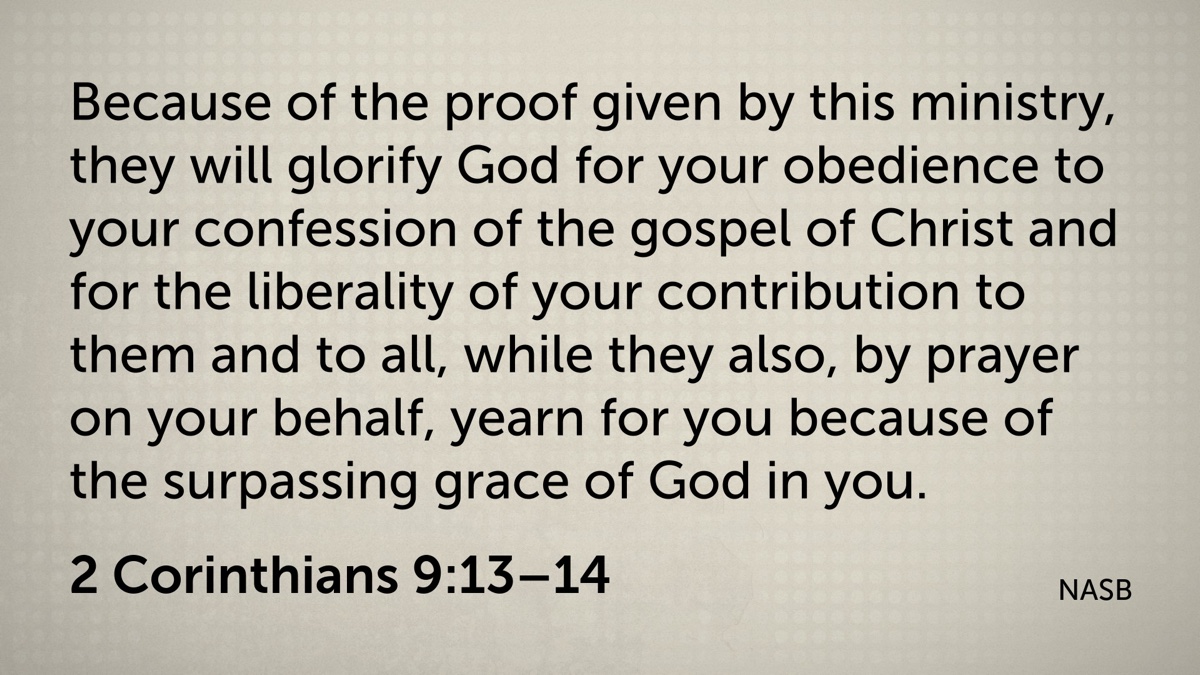
The New Testament teaches that the gospel, the “good news” of salvation from sins by the blood of Jesus Christ, is the “power of God to salvation” (Rom. 1:16). In it “the righteousness of God”—what God defines as right and how we may be right before Him—“is revealed” (Rom. 1:17). Yet, four times in the New Testament, the gospel is described as something that one must obey. First, in mourning the Jews’ rejection of Jesus as the Messiah, Paul says “they have not all obeyed the gospel” (Rom. 10:16). Second, in describing the impact of the Corinthians’ generosity, Paul calls it “the obedience of your confession to the gospel of Christ” (2 Cor. 9:13). In a third example, Paul tells the Thessalonians that vengeance will come to “those who do not know God, and on those who do not obey the gospel of our Lord Jesus Christ” (2 Thess. 1:8). Finally, in urging those who are the “house of God” (the church) to be ready for Judgment Day, Peter asks, “what will be the end of those who do not obey the gospel of God?” (1 Pet. 4:17). Paul has answered that question for us—they will be condemned. So, salvation in Christ is not automatic. It is not an unconditional election solely up to God. Man must choose to obey it. Those who do not obey it will not receive it.
The gospel is a message. It is a message about what Jesus did, what He offers, and the terms He sets to accept His offer. The example in 2 Corinthians 9:13 illustrates this. The Corinthians were showing generosity. He calls it, “the obedience of your confession to the gospel of Christ.” They were generous because that is what the message of Jesus, as revealed in the gospel, taught them to do. They didn’t just hear the message and ignore it—they were not forgetful hearers (cf. Jas. 1:25). Instead, they heard it and obeyed it. Obedience to the gospel is doing all things that the gospel teaches us.
Paul mourned the Jews’ rejection of Jesus as the Messiah, saying “they have not all obeyed the gospel” (Rom. 10:16a). What hadn’t they done? Before this, he said, “For there is no distinction between Jew and Greek, for the same Lord over all is rich to all who call upon Him. For ‘whoever calls on the name of the LORD shall be saved’” (Rom. 10:12-13). The Jews prayed to God—is that what calling “on the name of the LORD” is? No. Before this he spoke of:
. . .the word of faith which we preach: that if you confess with your mouth the Lord Jesus and believe in your heart that God has raised Him from the dead, you will be saved. For with the heart one believes unto righteousness, and with the mouth confession is made unto salvation (Rom. 10:8b-10).
Calling on the name of the Lord must include confession of Christ and faith in Him. Had the Jews done this? No. So, obedience to the gospel, “the word of faith” preached by Paul, included confession of Christ and faith in Him. The Jews believed in God. Was that faith sufficient? No. Paul explains, “faith comes by hearing, and hearing by the word of God” (Rom. 10:17). They had not believed in the message revealed by the Holy Spirit about Jesus. Paul quotes Isaiah, asking and applying it to the Jews’ rejection, “Lord, who has believed our report?” (Rom. 10:16b). They rejected the message of Jesus; they did not “obey the gospel.” Faith produced by the hearing of the word of God is part of obeying the gospel.
However, is that all that it means to obey the gospel? We noticed above that generosity was part of “the obedience of” the Corinthians’ “confession to the gospel of Christ” (2 Cor. 9:13) and that condemnation comes to those “who do not obey the gospel of our Lord Jesus Christ” (2 Thess. 1:8; cf. 1 Pet. 4:17). Can we ignore what the gospel teaches about generosity and be saved? Not according to Scripture.
Are there other things the gospel teaches that one must do to begin a relationship with God in Christ? Yes. In the same epistle where Paul taught confession and faith as a part of obedience to the gospel, or calling on the name of the Lord, he described their own conversion. He asks:
Do you not know that as many of us as were baptized into Christ Jesus were baptized into His death? Therefore, we were buried with Him through baptism into death, that just as Christ was raised from the dead by the glory of the Father, even so we also should walk in newness of life. For if we have been united together in the likeness of His death, certainly we also shall be in the likeness of His resurrection, knowing this, that our old man was crucified with Him, that the body of sin might be done away with, that we should no longer be slaves of sin. For he who has died has been freed from sin (Rom. 6:3-7).
Here, Paul describes how the Romans were “buried” with Christ, “united together” in the “likeness of His death,” and given “newness of life,” being “freed from sin”—through baptism. Is baptism part of obedience to the gospel? Yes. When Peter first preached the gospel on the Day of Pentecost, he commanded baptism (Acts 2:38), and “those who gladly received his word were baptized” (Acts 2:41). Baptism is part of obedience to the gospel.
Paul’s words on baptism were motivated in response to a misconception. He begins the chapter by asking, “What shall we say then? Shall we continue in sin that grace may abound? Certainly not! How shall we who died to sin live any longer in it?” (Rom. 6:1-2). We noted above that in baptism one is “freed from sin.” Does that mean that he can no longer sin? No. Does it mean that when he sins, it no longer matters? No. If “our old man was crucified with Him,” and “the body of sin” was “done away with,” Paul is teaching that the Christian must no longer live in the sin to which he has died. In the beginning of the epistle, Paul calls this “repentance,” speaking of “the goodness of God that leads you to repentance” (Rom. 2:4). Is this a part of obedience to the gospel? Yes. On the Day of Pentecost, when those who heard Peter preach the gospel asked what they should do, he responded:
Repent and let every one of you be baptized in the name of Jesus Christ for the remission of sins; and you shall receive the gift of the Holy Spirit. For the promise is to you and to your children, and to all who are afar off, as many as the Lord our God will call (Acts 2:38-39).
Here with baptism, repentance is commanded. This is not an isolated instruction—it is for “as many as the Lord our God will call.” We noted earlier that our response to the gospel is called calling “on the name of the Lord.” Here it speaks of a “call” made by God. How is that “call” made? Paul told the Thessalonians that God “called you by our gospel, for the obtaining of the glory of our Lord Jesus Christ” (2 Thess. 2:14). If the gospel is how God calls us, and Peter commanded repentance to those God calls, repentance is part of obedience to the gospel.
The New Testament teaches these simple initial steps as a part of obedience to the gospel, but as with many things, man often seeks to change God’s ways. In the first century, some imagined that obedience to the gospel should also include circumcision. This was part of God’s covenant with Abraham (Gen. 17:10-14) and part of the Mosaic covenant (Lev. 12:1-3), but “in Christ Jesus neither circumcision nor uncircumcision avails anything, but a new creation” (Gal. 6:15). Circumcision was not a part of obedience to the gospel. To those who tried to say it was, Paul wrote:
I marvel that you are turning away so soon from Him who called you in the grace of Christ, to a different gospel, which is not another; but there are some who trouble you and want to pervert the gospel of Christ (Gal. 1:6-7).
We note here that he says making something a condition of obedience to the gospel that the Lord did not, is accepting “a different gospel, which is not another.” He says it is to “pervert the gospel.”
Sadly, this was not the last time men would do this. Men have imagined that forgiveness can be purchased. That is not obedience to the gospel (1 Pet. 1:18-19). They have imagined that it can come by sprinkling water on babies not yet capable of faith. That is not obedience to the gospel (Mark 16:16). Many today imagine that conversion is accomplished by saying “a sinner’s prayer,” but the Bible never records any example of a prospective convert being told to pray—in fact, it is not until one is in Christ that Jesus is said to act as our Advocate in prayer (1 John 2:1). This is not obedience to the gospel—it is “a different gospel, which is not another.”
Finally, let’s think again about 2 Corinthians 9:13. Paul called the Corinthians’ generosity, “the obedience of your confession to the gospel of Christ” (2 Cor. 9:13). This was not an initial act of conversion but an act of faithfulness to the full message of the gospel. We observed above that if a failure to obey the gospel brings condemnation (2 Thess. 1:8; cf. 1 Pet. 4:17), we could not argue that the Corinthians would have been right with God if they ignored the gospel’s teachings on generosity. Does that apply to other teachings of the gospel of Christ? Yes. Jesus taught, “If you abide in My word, you are My disciples indeed” (John 8:31). He told Christians in Smyrna, “Be faithful until death and I will give you a crown of life” (Rev. 2:10). We noted in Paul’s words to the Romans the charge that Christians “should walk in newness of life” (Rom. 6:4). Remaining faithful to the teachings of the gospel is part of obeying the gospel.
This cannot be achieved by following only some of the gospel’s teachings while neglecting other commands. That is not obedience to the gospel. It is not accomplished by starting to follow God’s word, but then refusing to continue in it. That is not obedience to the gospel. We see this in things like confession and repentance. Can I confess Christ once, and then deny Him the rest of my life? No (Matt. 10:32-33). That is not obedience to the gospel. Can I repent of some sins when I first turn to Christ, then hang on to others later in life? No (Acts 26:20). That is not obedience to the gospel. Obedience to the gospel means earnestly striving to follow all its teachings throughout our lives. Will we fall short? Yes, but love for God and a desire to accept the grace He offers in the message of salvation in Christ demands that when we stumble, we confess it and repent as soon as we realize it (Acts 8:22). That is obeying the gospel. That is loving God (John 15:10).
Have you obeyed the gospel?
Kyle Pope preaches for the Vestavia church of Christ in Vestavia Hills, AL. He has written several books published by Truth Publications. Go here for more information. The church website is here. He can be reached here.



By Kyle Pope
Synopsis: In the blessing statements that open the Sermon on the Mount, Jesus promises blessing to those who crave “righteousness.” This teaches us that serving Christ involves knowing what is right, doing what is right, and standing right before God through the justification He offers in the gospel.
In the Sermon on the Mount (Matthew 5-7), Jesus lists the attributes of those considered “blessed.” One item on this list promises, “Blessed are those who hunger and thirst for righteousness, for they shall be filled” (Matt. 5:6, NKJV). Let’s notice three points this promise teaches us about our walk with God.
Sadly, few in our world have a true thirst to know what God’s word teaches to be right. Many have either convinced themselves that they can know by their own intuition what is right, or they do not believe that there truly are things that are right and wrong in an absolute sense. Philosophers call this Post-Modernism—a view that moves beyond “outdated” thinking of good and evil, true and false, arguing that there is “my truth” and “your truth” but denying such a thing as “the Truth.” That is not the biblical view. If we are to be pleasing to God, we must recognize that His revelation offers us a true standard of right and wrong. God’s people must have a fervent craving to know and understand this standard. Peter wrote that we “as newborn babes,” should “desire the pure milk of the word, that you may grow thereby” (1 Pet. 2:2).
Once a person comes to know what is right, he reaches a crossroads. Will that soul follow what is right or retreat into ignorance and error? If we are to be pleasing to God, we must want more than anything else in this life to do what He commands. That is what it truly means to do what is right. The Holy Spirit teaches, “Let no one deceive you. He who practices righteousness is righteous, just as He is righteous. He who sins is of the devil” (1 John 3:7-8a). Yes, Christians will sometimes sin (1 John 1:8), but they must not be content with such behavior, nor imagine “let us sin that grace may abound” (Rom. 6:1-2). The child of God must hunger within his soul to purge out of his life things that do not please our God in heaven (cf. 1 Cor. 5:7).
The French philosopher, author, and journalist Albert Camus once rashly wrote, “The need to be right” is “the sign of a vulgar mind.” If he meant that regarding a desire for self-glorification or the praises of man, we might agree. If, instead, he was referring to a desire to direct one’s life in such a way as to avoid wrong, error, and sin, there is nothing at all “vulgar” about that! We should desire to stand before God forgiven of sins, having accepted His grace in obedience to the gospel of Christ, and thus be found in a condition in which we are right with God. The Bible makes it clear that while it has always true that, “It is God who justifies” (Rom. 8:33), He has set before us a path we must follow in order to receive this justification. The gospel of Christ is God’s way of making men and women right with Him unto the salvation of their souls (Rom. 1:16-17). This message must be believed and obeyed (Rom. 10:16; 2 Thess. 1:8; 1 Pet. 4:17). There is no other way to be right with God. Therefore, His people must hunger and thirst to follow the path by which He will provide this righteousness.
When Jesus first spoke these words, it was in the context of other “blessed” statements. The one who hungers for righteousness is one who will receive God’s blessings unto eternity and is himself in a blessed condition. This is not a material hunger we satisfy with foods but a spiritual craving to know what God defines as right, to do it, and to stand right before Him, having been washed in the blood of Christ. Athletes sometimes encourage one another to “stay hungry”—as a way of motivating continued enthusiasm to achieve goals they have set for themselves. May each of us “stay hungry” for the righteousness God teaches and provides for us in Christ. As we do, we have God’s promise to be counted as those who are “blessed.”
Kyle Pope preaches for the Vestavia church of Christ in Vestavia Hills, AL. He has written several books published by Truth Publications. Go here for more information. The church website is here. He can be reached here.




By Sherelyn Mayberry
Synopsis: This beloved hymn emphasizes the benefits of trusting and obeying the Lord, such as illuminating our path and fostering fellowship with God and fellow believers. Trusting in the Lord helps us endure trials, bringing righteousness, peace, and comfort. God’s love, shown through Jesus’ sacrifice, calls believers to live sacrificially and walk in good works. Trusting and obeying God leads to true happiness and fulfillment, ensuring a blessed life. Ultimately, obedience to God’s commandments brings blessings, peace, and eternal life.
In the song, Trust and Obey (PHSS #505), we learn of the benefits of trust and obedience in the Lord. As we walk with the Lord, He illuminates our path through His word. Trials are overcome when we abide in Jesus, trusting and obeying Him. As we give ourselves in living sacrifice, we partake in the love God offers through His Son’s death. Then, we have sweet fellowship with the Lord as we sit at His feet, walk beside Him, do His will, and go where He sends. Fear being cast out, bringing true happiness in Jesus, we are blessed as we trust and obey.
One benefit of walking with the Lord is His glory is shed on our pathway. God is Light. If we walk in that light, we have fellowship with Him and with one another, and the blood of Christ cleanses us from all sin (1 John 1:5-7). In the beginning was the Word. The Word became flesh and dwelt among us in the person of Jesus. We saw His glory. Life was in Him and He was the light of men (John 1:1-5, 14). Jesus came to direct our steps. He is the Light of the world and everyone who believes in Him will not remain in darkness. The one who rejects Jesus and His words will be judged by His words on the last day (John 12:46, 48). So, whoever confesses Jesus as the Son of God in trusting faith, God abides in him, and he in God (1 John 4:15). Such faith leads to full obedience to God’s will.
God abides with those who trust and obey, walking as children of light. In goodness, righteousness, and truth, the faithful continue to learn what is pleasing to the Lord. They realize that the wrath of God comes on the disobedient, those who walk in darkness. God’s wrath remains on anyone who does not obey the Son (Eph. 5:6-10; John 3:36). Being transformed by the renewing of their mind through the word lighting their pathway, the faithful seek to know what is good and acceptable to God (Rom. 12:2). The one who abides in the teaching of Christ has both the Father and the Son (2 John 9). Belief and obedience lead to eternal life.
“Cast your burden upon the Lord and He will sustain you; He will never allow the righteous to be shaken” (Ps. 55:22). Commit your way to the Lord and trust in Him. He will bring righteousness and justice to the faithful. Do not fret, but wait patiently on the Lord (Ps. 37:5-7). Consider it joy when you encounter trials, because testing of faith produces steadfastness and endurance, leading to maturity in the Lord (Jas. 1:2-4). If you persevere through affliction and are approved by God, you will receive the crown of life. The Lord promises this reward to those who love Him. You can trust Him to keep His word.
If you love the Lord, you will keep His commandments in obedience. He who loves God will be loved by Him (John 14:15, 21). Israel was promised if they walked in God’s statutes and kept His laws, then they would be blessed with rain and fruitful harvest. Peace would be granted with no one making them afraid in the land (Lev. 26:3-6). Do not be anxious about anything; instead, humbly and earnestly ask the Lord for help with thankfulness. Your righteous petition will be answered with peace from God beyond all understanding (Phil. 4:6-7). God, the Father of mercies, comforts us in our affliction, so we may comfort others in their sufferings as we endure patiently (2 Cor. 1:3-6). The brethren of Macedonia gave in great affliction of poverty with abundant joy. They liberally gave themselves to the Lord and Paul by the will of God. Their blessing was shared as they abounded in faith and obedience (2 Cor. 8:1-5, 7).
God so loved the world that whoever believes in Him—manifesting obedient and trusting—shall have eternal life (John 3:16). As believers, present your bodies as a living and holy sacrifice, acceptable and well-pleasing to God. Being living stones in a spiritual house and royal priesthood, offer spiritual sacrifice on the altar of God (Rom. 12:1; 1 Pet. 2:5, 7). Continually offer praise to God, giving thanks, doing good, and sharing, so God will be pleased (Heb. 13:15-16). Being rich in mercy, God loved us so much that He made us alive in Christ (Eph. 2:4-5).
So by grace through faith, we are saved as we become God’s workmanship, walking in good works (Eph. 2:8-10). Walk in a manner worthy of the calling of the Lord with humility and gentleness. Be spotless and blameless, so through patience of the Lord, you can find salvation (Eph. 4:1-2; 2 Pet. 3:14-15). Previously, we were alienated from God and engaged in evil deeds. However, by seeking His pardon and living faithfully, we can find reconciliation through Christ’s death. Being presented before God, holy and beyond reproach, we can find hope of salvation, if we continue in the faith, firmly grounded and steadfast (Col. 1:22-23).
Enjoy fellowship with God while trusting and obeying. Like Joshua commanded the Israelites, we should love the Lord our God, walk in His ways, keep His commandments, hold fast to Him, and serve Him with all our heart and soul (Josh. 22:5). Trust in the Lord and do good. Feed on God’s faithfulness. Delight in the Lord. Commit your way to the Lord. Trust His word will come to pass (Ps. 37:3-5). “Let me hear Your lovingkindness in the morning; For I trust in You; teach me the way in which I should walk; for to You I lift up my soul. . . Teach me to do Your will, for You are my God; let Your good Spirit lead me on level ground” (Ps. 143:8, 10). Do not lean on your own understanding, but trust in God. Acknowledge the Lord and when you seek Him, He will be found and will direct your steps (Prov. 3:5-6; 1 Chron. 28:9).
The Israelites were told that blessings come to those who listen and obey the commandments of the Lord (Deut. 11:27). Do not forget God’s law. Keep His commandments and live a long life with peace from God (Prov. 3:1-2). We, like the apostles, can stand up for Jesus through trials. Then symbolically, we can eat and drink at Christ’s table, sharing fellowship with Him as servants in the church (Luke 22:28-30). Trusting and obeying, the faithful call on the Lord in truth. The Lord is near those who call on Him. He will fulfill the desire of those who fear Him. Hearing their cry, He will save them (Ps. 145:18-19). You are a slave to the one whom you obey, doing what He says, going where He sends. When you obey Jesus, you become slaves of righteousness, being set free from sin. Receiving the benefit of sanctification, evidencing the fruit of holiness, you reap the outcome of everlasting life (Rom. 6:16-18, 22). “There’s no other way to be happy in Jesus, but to trust and obey.”
Sherelyn is the wife of Mark Mayberry, who labors with the Adoue Street congregation in Alvin, TX, as an evangelist and elder. She labors as a homemaker and Bible class teacher. She and Mark have two sons and daughters-in-law, and two grandchildren. She can be reached here.




By Bruce Reeves
Synopsis: Despite their initial faithfulness, Israel’s journey takes a tragic turn as the people resort to murmuring, complaining, and rebellion. These sins prove contagious and result in divine punishment. Despite being burdened by the people’s complaints, Moses intercedes for them, and God shows both judgment and mercy. The narrative underscores the importance of gratitude and the destructive power of complaining, contrasting it with faithful lament. Ultimately, the text serves as a warning against ingratitude and a call to trust and obey God, emphasizing the joy of thanksgiving and the peril of disobedience.
With Numbers 11, the story of Israel takes a tragic turn, which seems to foreshadow future trends of departure from God. The Lord’s people today often struggle with these same failures of faith. Up to this point, the Israelites have generally been faithful, doing “just as the Lord commanded” (Num. 1:54; cf. 2:34; 4:49; 8:3, 22; 9:5, 23). However, chapters 11-12 records three stories in which rebellious complaining is met with the Lord’s judgment. God’s wrath in these cases served as warnings. Sadly, Israel did not heed the admonition.
The larger goal of Numbers 11:1-3 is to give a template of what will happen repeatedly in chapters 11-25: the people sin, the Lord’s judgment comes or is announced, Moses intercedes as a mediator, and God’s anger is turned away. As believers, we must recognize the sins we commit and confess them to the Lord; nevertheless, we must also consider why patterns have developed in our lives that are causing our spiritual struggles. As soon as the people departed for the promised land, the complaints began (Num. 11:1). Grumbling and complaining characterized this generation that would continue to depart from the Lord’s gracious promises and too often we ourselves take God’s goodness for granted (Rom. 1:21-22; Phil. 4:4-6). When Paul describes the apostasy of the Gentiles, he outlines several heinous sins. Interestingly, this massive departure from God begins with an arrogance that is unthankful for His blessings.
Considering His provisions for Israel’s arduous journey both in the past and present, these complaints are a shocking denial of the Lord’s goodness (Num. 10:29; 14:11). God’s righteous anger was entirely justified (Num. 11:1). His judgment was measured according to the seriousness of the sin of distrust and rebellion. He showed mercy by bringing His fiery judgment at “the outskirts of the camp,” not in the densely populated central area. The people cried out to Moses, and he prayed to the Lord, then the fire died out (Num. 11:2). While many only see God’s wrath in Numbers it is important that we also see His divine mercy and judgment.
The term “rabble” in Numbers 11 is believed by many to describe the non-Israelites that joined the people of God in the Exodus (Num. 11:4; cf. Exod. 12:38, “foreign multitude”). Like a fast-acting agent, their complaints quickly spread through the camp. Complaining and murmuring are a contagious spiritual disease. It is also noteworthy that Israel’s memory was incredibly selective (Exod. 2:23-24; 3:7, 9; 6:5, 9). These murmurers were like freed prisoners looking back with nostalgia from prison food. Their complaints about what they were lacking were coupled with ingratitude for what they had from God (Num. 11:6-9; cf. Exod. 16:31). Rather than focusing on their present hardship, they should have focused on the provisions God had given them as He led them to the “land flowing with milk and honey.” Ingratitude is described by the Holy Spirit as the unbelief of a rebellious and evil heart.
In the second scene, a conversation takes place between the Lord and Moses. The complaints had infected the families of Israel and the Lord’s anger was “kindled greatly” against them (Num. 11:10). In his gentleness, Moses begged for God’s help and mercy (Num. 11:11-15). We sometimes overlook the fact that sinful complaining only adds unnecessary pressure to faithful leaders. Even those with granite resolve to serve God’s people can be worn down by the incessant grumbling of hypercritical complainers. While there is a time for loving and constructive critique, it must be remembered that faithful servants of the Lord are doing their best and need encouragement. We might ask, “Who encourages the encouragers”? God sees a significant difference in Israel’s sinful grumbling and Moses’s sincere lament. Therefore, he helps Moses with the leadership burden by delegating responsibilities to faithful men (Num. 11:16-17). When we try to do everything ourselves, we may experience burnout and unwittingly undermine the growth of God’s people. Moses had become so depressed that he was ready for the Lord to take his life, so he did not have to see Israel’s “wretchedness” (11:15). Yet, the Lord redirected His servant in a more discerning direction.
Israel not only complained, but blasphemously praised the situation in Egypt. As a result, God’s judgment matches their sins perfectly so as to vindicate Moses’s leadership and His own faithfulness. Since the people had complained about their diet of manna, the Lord promised to provide quail until it “comes out of your nostrils and becomes loathsome to you; because you have rejected the Lord who is among you and have wept before Him, saying, ‘Why did we ever leave Egypt?’” (Num. 11:20). God had delivered them from Egypt because He had heard their cries of affliction and was aware of their sufferings, as well as their oppression from the Egyptians (Exod. 3:7). One would think they had been in paradise! Sin, pride, and selfishness often blind our minds to the truth of the slavery of Satan and the power and grace of our God.
Those who were given to selfish pride frequently accuse others of the attitudes of which they are guilty. Nevertheless, the Spirit reveals that Moses was “very humble, more than any man who was on the face of the earth” (Num. 12:3). In the third scene, the Lord “came down in the cloud,” which was a typical manifestation of His powerful presence (Exod. 19:9, 16; 24:15-16). His Spirit empowered Moses with special gifts, but the same Spirit also gifted other people to accomplish His work (Num. 11:17, 24-30). The Lord empowered some who did not go to the tent and Joshua asked Moses to stop them out of loyalty to His mentor. Moses said, “Are you jealous for my sake? Would that all the Lord’s people were prophets, that the Lord would put His Spirit upon them!” (Num. 11:29). This event reminds us of the story of Christ’s disciples questioning those who were casting out demons in Jesus’s name because they were not following them. Moses’s attitude was the same as the humble spirit we see from Christ (Mark 9:38-40). Our desire must be for God’s glory, not our own (1 Cor. 10:30-31; Col. 3:17).
In the final scene, the Lord judged the people for rejecting Him and blaspheming His deliverance (Num. 11:31-34). He caused a wind to drive flocks of quail into the camp, which spread out as far as the eye could see and up to three feet deep in places (Num. 11:31). The people responded by gathering the quail all day and night. Their gathering is estimated anywhere from thirty-three to 111 U.S. bushels. On the low end, thirty-three bushels equals 4,915 cups—which is a lot of quail soup! Before the falling of the meat had stopped, judgment fell on them (Ps. 78:28-33). The Lord struck the people with a “severe disaster” which the psalmist describes some sort of “wasting disease” (Ps. 106:15). The place was called “Kibroth Hattavah,” i.e., “graves of the craving” (Num. 11:34). The lust that led to their complaining also led to their deaths.
Complaining is the result of forgetting and denying God’s goodness. Yahweh’s past provisions had included deliverance from Egypt (Exod. 1-15), defeating their enemies in the wilderness (Exod. 17:8-16), and providing them with food and water (Num. 15:22-25; 16:1-13; 17:1-7). Yet they claimed, “We were well-off in Egypt” (Num. 11:18, 20). Grumbling distorts our vision and holds on to false narratives that fuel self-deception. While we attempt to minimize this sin of complaining, the Lord describes it as rebellion, selfishness, departure, distrust, evil, and unbelief (Num. 14:10-13, 26-27). The attitude that lies behind murmuring discourages those around us. The complaining had made Moses’s burden unbearable (Num. 11:14-15). Many faithful elders, devoted preachers, and committed Bible class teachers have faced the same struggle of discouragement from brethren. The Hebrew writer admonishes us to encourage our leaders: “Obey your leaders and submit to them, for they keep watch over your souls as those who will give an account. Let them do this with joy and not with grief, for this would be unprofitable for you” (Heb. 13:17). Constant complaining, grumbling, and murmuring not only reflect an evil spirit but also lead to other terrible sins, from sexual immorality to idolatry, because they are self-focused rather than God-centered.
The Bible is full of examples of the faithful offering lamenting supplications before their God. Much of the Wisdom Literature contains this aspect of prayer before the Lord (Ps. 22; 30; 51; 73; 88; 130, etc.). Since Psalm 22 reveals the Messiah’s anguish upon the cross, we recognize this is a godly expression of His reliance on God. The raw emotion involved in a growing faith is seen in all the prophets as they righteously cry out to the Lord. Yet, there is a great difference between distrustful complaining and faithful lament. In lament, the sufferer is honest about their pain, but he is looking to God for help. Complaints are directed against God and His leaders. In lament, we still look to our King for help. In complaint, we deny His loving kingship for our own desires and will. Lament is a cry of faith in a benevolent God who listens to our hearts, restores what is broken, transforms our ugliness into His beauty, and sanctifies those who were once lost in sin. Why do we complain? Is it not to make things about us? Is it not to get our own way? Is it not to deflect from our own shortcomings? Is it not to get other people to join us in our rebellion and to feel justified when we should not (Luke 16:15).
Let us see the danger of complaining and the joy of thanksgiving. What an impressionable lesson the book of Numbers leaves upon our hearts. It is a principle that we see throughout both the Old and New Testaments. Paul reminds us of Israel’s sins, so we will follow the path of faith, not the path of disobedience. Therefore, the apostle writes: “Now these things happened as examples for us, so that we would not crave evil things as they also craved. . . nor grumble, as some of them did, and were destroyed by the destroyer. Now these things happened to them as an example, and they were written for our instruction, upon whom the ends of the ages have come. Therefore, let him who thinks he stands take heed that he does not fall” (1 Cor. 10:6, 10-12). Again, he writes to the Philippians, “Do all things without grumbling or disputing; so that you will prove yourselves to be blameless and innocent, children of God above reproach in the midst of a crooked and perverse generation, among whom you appear as lights in the world” (Phil. 2:14-15).
Bruce Reeves has labored with the Highway 65 church of Christ in Conway, AR, since 2000. He and his wife, Rachel, have one child. The church website is here. He can be reached here.




By Shane Carrington
Synopsis: On the Mount of Transfiguration, likely Mt. Hermon, Jesus’s appearance changed to reveal His divine nature. Accompanied by Peter, James, and John, He conversed with Moses and Elijah about His impending death, resurrection, and ascension. The apostles’ reaction, particularly Peter’s misguided attempt to honor all three equally, led to God’s affirmation of Jesus as His beloved Son. This event underscores the fulfillment and superiority of the New Covenant over the Old, the transformational power of Jesus’s ministry, and the importance of listening to and following Him. Ultimately, the transfiguration highlights Jesus’s role in our spiritual transformation, enabling us to truly honor God.
Six days later, Jesus took with Him Peter and James and John his brother, and led them up on a high mountain by themselves. And He was transfigured before them. . . (Matt. 17:1-2)
You can see a long way from a high mountain. Katherine Lee Bates wrote the lyrics for “America the Beautiful” partly from atop Pike’s Peak. From there you can see “purple mountain majesties” and “the fruited plain.”
Many think the “high mountain” to which Jesus and the three ascended is Mt. Hermon in northern Palestine. In the previous scene, they were close to Caesarea Philippi (Matt. 16:13), which is near the base of the mountain. Herman is the tallest mountain in that part of the world, and it is often covered with snow. Much of Palestine can be observed from its peak, and we can see the vast expanse of God’s will through this event. Much occurred on that day, and it all had great significance.
He was transfigured before them; and His face shone like the sun, and His garments became as white as light (Matt. 17:2).
The way Jesus looked changed: His face shone with the radiance of the sun, which we are unable to behold directly. Additionally, His clothes became “as white as the light” (NASB-95), or “dazzling white” (ESV), or “white and glistening” (NKJV), or, literally, “as bright as a flash of lightening” (NIV and Greek-English Lexicon BDAG). The ordinary-looking Jesus became radiant! He entered this world in human form, but on this mountain, His appearance morphed to indicate His divine nature. In the transfiguration, we see Jesus revealed in a manner similar to that of Revelation 1:12-16. This, in a more powerful way, is reminiscent of Moses’s radiance when he descended from Mt. Sinai. There God showed that Moses was His choice, spokesman, and mediator for Israel. Moses foreshadowed Jesus, who performs these same duties for all humanity. The divine Word (John 1:1-4) came as a Man (John 1:14) in order to bring us the fullness of the Father’s grace and truth (John 1:14-18, 29). The transfiguration of Jesus gives a small glimpse of His true identity and ultimate purpose.
Behold, Moses and Elijah appeared to them, talking with Him" (Matt. 17:3). . . speaking of His departure which He was about to accomplish at Jerusalem" (Luke 9:31).
The three apostles who were on the mountain with Jesus beheld three of the greatest prophets whom God ever sent: Moses, Elijah, and Jesus.
Moses was God’s law giver for ancient Israel. At the burning bush on Mt. Sinai, God called him to liberate Israel from Egyptian bondage. After their exodus, God revealed the Law from atop the same mountain. Moses foreshadowed Jesus in that, while Moses gave the Old Testament to God’s ancient people, Jesus gave the New Covenant to all humanity. Moses delivered the Law, while Jesus discloses the “perfect law of liberty” (Jas. 1:25).
Elijah revealed God’s glory and proclaimed God’s word during a dark time of Israel’s history. He defended the Lord against 450 prophets of Baal and 400 prophets of Asherah at Mt. Carmel. Elijah represents the faithful prophets of the Old Testament, but Jesus is the ultimate prophet of God (Deut. 18:15, 18; John 1:21, 25) and gave us the New Testament (Heb. 10:8-10).
Jesus epitomizes the purposes of these two important men. Moses gave the law, and Elijah proclaimed repentance, but Jesus brought God’s purposes to fullness by providing redemption. On this mountain were three different men with three different stories leading the way to God’s one ultimate purpose. What was the topic of their discussion?
Behold, two men were talking with Him; and they were Moses and Elijah, who, appearing in glory, were speaking of His departure, which He was about to accomplish at Jerusalem (Luke 9:30-31).
They focused on Jesus’s impending death, but the language indicates even more. The term for “departure” (NASB-95) or “decease” (NKJV) is the Greek word for “exodus.” It literally means “movement from one geographical area to another” (BDAG), and is sometimes used metaphorically for death (ibid.). In the case of Jesus’s “departure,” though, there is more involved than His decease. His exodus from this world also encompassed His resurrection and ascension to heaven. This small glimpse of Christ’s glory on the mountain points toward the vastness of the spiritual riches that His journey brings to all humanity.
Peter said to Jesus, “Lord, it is good for us to be here; if You wish, I will make three tabernacles here, one for You, and one for Moses, and one for Elijah” (Matt. 17:4). When the Father spoke to them, “they fell face down to the ground and were terrified” (Matt. 17:6).
The apostles were frightened and didn’t know what to say (Mark 9:6). Peter tended to speak when he should not. He wished to honor Jesus, Moses, and Elijah equally, but the Father revealed that this was misguided. When the Father responded, “This is My beloved Son, with whom I am well-pleased; listen to Him!” (Matt. 17:5), they fell on their faces in fear. Jesus then comforted them, and when they looked up again, “they saw no one except Jesus Himself alone” (Matt. 17:8).
This encounter provides several lessons for the reader.
Be careful what you say. When either moved by uncontrolled emotion, or lacking helpful words to speak, it is better to be silent. Since Peter did not follow this fundamental rule, the Father corrected him.
The New Testament fulfills and supersedes the Old. In this scene, Moses and Elijah stand for the law and the prophets. As important as their work had been, Jesus’s work is greater: “This is my beloved Son. . . listen to Him” (Matt. 17:8). The old law is gone, so we must look to the gospel of Jesus Christ.
Jesus is transformational. Four factors make this crystal clear.
His appearance changed, indicating that we can be “transformed into the same image from glory to glory” through the New Covenant He instituted (2 Cor. 3:18).
Moses and Elijah appeared and spoke to Him about His exodus, which showed that the manner of Jesus leaving this world would provide the opportunity for us to follow Him to heavenly glory (John 14:6).
The Father said, “This is My beloved Son, with whom I am well-pleased; listen to Him!” (Matt. 17:5). While Moses and Elijah were great prophets of the Mosaic covenant, Jesus is the greatest prophet of all, and He came to provide ultimate hope through a new and better covenant.
When the apostles looked up again, “they saw no one except Jesus Himself alone” (Matt. 17:8). While the work that Moses and Elijah performed was important, their departure paved the way for Jesus, and He remains (Matt. 28:18-20). In performing His redemptive work, Jesus fulfilled the messianic prophecies of the Old Testament (1 Pet. 1:10-12; 2 Pet. 1:16-21).
The transfiguration of Jesus’s appearance showed the transformational nature of His ministry. He fulfilled the Old Covenant and gave us the New Covenant. Through that covenant, God can transform us into what He wants us to be. As Paul wrote:
For God, who said, “Light shall shine out of darkness,” is the One who has shone in our hearts to give the Light of the knowledge of the glory of God in the face of Christ (2 Cor. 4:6).
Jesus transforms us through His life-giving death, victorious resurrection, glorious enthronement, and soul-saving word.
Many wonders are visible from the top of a mountain. From a “high mountain” God showed the exalted nature of Jesus, demonstrating that we “are being transformed into the same image from glory to glory” (2 Cor. 3:18) by the transfigured Christ. Jesus does this through His glorious work and word. May we praise Him and live for Him as we journey with Him toward heaven!
Shane Carrington has worked with the Southside church of Christ in Sulphur Springs, TX, since 1999. He has two children and four grandchildren. The church website is here. He can be reached here.



By Bobby L. Graham
Synopsis: The author explains that marriage, according to the Bible, is governed by divine law rather than civil law, as established with Adam and Eve. This principle holds throughout the Bible, where divine law takes precedence over civil law in matters of marriage, divorce, and remarriage. While civil laws and customs are important for legal recognition and celebration, they do not determine God’s will. Couples should follow civil laws unless they conflict with divine law, but it is ultimately God’s law that legitimizes a marriage.
From the Philippines comes this question: When a man and a woman, both of them are eligible to marry, vow before God to become husband and wife, are they married? Must they comply with governmental laws to be married unless they contradict God’s laws?
This question from the Philippines deals with a very significant principle of Bible teaching. When marriage was introduced into the world of Adam and Eve, whatever law God then stated in the closing verses of Genesis 2 was divine law, not civil law. Later, when God dealt with matters of divorce and remarriage in Deuteronomy 24, he again stated divine law, not civil law. In the New Testament, when Jesus dealt with such matters in Matthew 5 and 19, and Paul in Romans 7 and 1 Corinthians 7, again it was divine law, not civil law, that they set forth.
Matters like binding and sundering (separating, releasing the bond) are in God’s jurisdiction and power. For this reason, all the passages mentioned earlier deal with the matters under His authority. He alone binds, decides who is eligible to be bound, decides when and why He separates, and actually separates, or releases, the bond. Humans are forbidden to take these actions, for they have no say in them. Civil governments likewise have nothing to do with such matters.
Customs and civil laws play a role in marriage and divorce. In the Old Testament, the earliest marriages began when a husband took a wife unto himself, or brought her into his home, without any civil procedure operating. This was the custom of the day, and civil law played no role in the matter. Civil law might require a license to marry, or (as the case is now in Alabama) no license, but registration of the marriage within thirty days after the fact. For example, one ancient custom required jumping over a broom. Such social customs help people to celebrate marriages, as well as indicating the couple’s purpose of living together as married people. While civil governments record marriages and divorces for legal purposes, these records do not equate to God’s; nor do human laws or customs determine God’s will in these matters.
We necessarily conclude that neither civil procedure nor custom was necessary for the law of God to operate in the matter, because it did operate long before either custom or civil procedure/law entered the picture. Let it be understood also that divine law continues to operate in societies where civil law has something to say about marriage and divorce, but divine law always has priority in these matters, and operates independently of civil law. In other words, it is the Lord’s will that determines who has a right to marry, divorce, or remarry. Civil law might speak concerning the matter, but divine law has the final word in the matter.
We’re not saying that people should refuse to comply with civil law in such matters. When civil law (or custom) does not contradict divine law, all should comply. It is as important for us today as it was for Paul in the first century to provide things honorable in the sight of all (Rom. 12:17). On the other hand, let us remember that civil law (and custom) does not legitimize a marriage, a divorce, or a remarriage; but divine law does (Matt. 19:6).
Concerning the question asked, when an eligible (before God) couple vows before God to live as husband and wife, they are bound by God to live together for life (Rom. 7:2). As already indicated, a couple should also comply with whatever civil laws apply, as long as they do not require disobedience to God or forbid obedience. All people must remember that social customs/civil procedures are entirely distinct from what God requires in His law, and we need to keep them separate in our minds.
Bobby L. Graham actively takes part in fill-in preaching, Belize trips, teaching an hour each day at Athens Bible School, and in gospel meeting work. He and his wife, Karen, have three children. He can be reached here.




By Barry Britnell
Synopsis: This article explores whether the Mount of Beatitudes is the actual site of the Sermon on the Mount. It examines biblical, logical, and historical arguments, noting that while the Bible provides some clues, it does not definitively confirm the location. The logical argument suggests the northwestern side of the Sea of Galilee as a plausible area, and the historical argument highlights the site’s identification by the Byzantines in the fourth century. Ultimately, the article concludes that the exact location is not crucial to faith, emphasizing the importance of honest and accurate study of the sacred text and its connection with biblical geography to strengthen understanding and the ability to discuss God’s word.
As I lead tour groups around the land of Israel, part of my job is to help everyone understand what they are seeing. To be honest, that is not always easy. There are so many things to see, it can often confuse a first-time traveler.
You do not have to travel to Israel to learn about the land. With all the information, pictures, and videos that are now easily accessible, anyone can do a tremendous amount of study from the comfort of your own home.
Because of this, rarely does a week go by in which I do not receive a question from someone concerning the physical location of a biblical event. Sometimes it is general enough where it is an easy question. Sometimes the question is much more difficult (if not impossible) to answer.
In this month’s article, I would like to investigate one question that I have been asked multiple times and discuss the thought process I go through as I consider the question. Hopefully, this will help any student of biblical geography as they engage in their own study. So, let’s get to the question:
In chapters 5, 6, and 7 of Matthew, the author records for us some teachings of Jesus. We commonly refer to this teaching as the “Sermon on the Mount.” This title comes from the first verse of chapter 5 that tells us that Jesus “went up on the mountain” and, after sitting down, taught the people.
If you travel to Israel, or study the geography of the Bible lands, you will be directed to a site commonly referred to as the “Mount of Beatitudes” as the location of this biblical event. Therefore, I am often asked “Is the Mount of the Beatitudes the actual site of the Sermon on the Mount?”
Let us attempt to answer this question by looking at the biblical, logical, and historical arguments.
What does the Bible say about the location of this event?
Well, the Bible does not say that much; yet, in general, we can learn three things.
First, Jesus seems to be in the area of Galilee. In chapter four, we see that He is was in Galilee (4:12), in Capernaum (4:13), walking by the Sea of Galilee (4:18), and was throughout all Galilee (4:23).
Second, He went up onto a mountain (5:1). That does not tell us that much. Throughout the Galilee and around the Sea of Galilee, there are many hills and mountains to which this could be referring.
Third, after completing His teaching, Jesus “came down from the mountain” (8:1) and “entered Capernaum” (8:5). From this, we can learn that the location was higher in elevation than Capernaum and perhaps fairly close in proximity.
So, does the Bible prove the site of the Mount of the Beatitudes? Well, not really. The site matches what we read in the Bible. It is (a) in Galilee, (b) on top of a small mountain, and (c) is relatively close and higher in elevation than Capernaum. With that said, there are many places that would also match that same criteria.
Does the location make logical sense with what we know about Jesus and where He spent His time?
As we read in the gospels, Jesus spent a majority of His Galilean ministry around the Sea of Galilee. If you break up the areas around the Sea of Galilee, then you see some interesting things.
First, Jesus did not spend that much time on the eastern side of the lake. During the first century, the area on the eastern side of the lake would have been inhabited by Gentiles. We know from history that this area gets into the region of Decapolis (a group of ten cities of Greek/Roman influence). Also, from Scripture, when Jesus did go over to this area, He was interacting with Gentiles (Matt. 8:28-34). Since He was teaching the Jewish people on the Sermon on the Mount, then it is highly unlikely that this event happened on the eastern side of the lake.
Second, we do not have any record of Jesus on the southwestern sides of the Sea of Galilee. That does not mean that Jesus did not go there; rather, we simply do not have a record of it. Therefore, you can probably eliminate this area from consideration as the location of this event.
Third, this leaves the northwestern side of the Sea of Galilee. Indeed, we read about dozens of events from the life of Jesus in this area. Incidentally, the Mount of the Beatitudes is located on the northwestern side of the lake.
So, does the logical argument prove that the Mount of the Beatitudes is the right location? No, it does not. However, it does not refute it either. It is just another piece of the puzzle for consideration.
Finally, how was the site identified? Who first stated that this location is where the Sermon on the Mount took place?
The site was originally identified by the Byzantines in the fourth century. They built a church near this site, which lasted for several hundred years. Since that time, other church buildings have been constructed, including the one that you can visit today.
So, does the historical argument prove that the Mount of Beatitudes is the right location? No, certainly not. Yet, consider this: When the Byzantine people sought to identify the location of this event, they chose this site. How did they do that? Well, they were probably told about it by their ancestors. The information was passed down from one generation to another. We could question the validity of the information since it had been passed down for about 350 years. Nevertheless, we do the same thing today. If you ever travel to the Revolutionary War site of Yorktown, you will see a statue of George Washington sitting on his horse on one of the hills. If you ask the National Park Service employee about it, he will tell you that is where General Washington was. How does he know that? Well, he was told that. Person after person after person passed that information down and visitors accept it without question because they trust the source. The Revolutionary War happened about 250 years ago. So, it is not as far as the Byzantines’ 350 year gap, but you understand the point that I am making. It does not prove the site as accurate, but you can not deny the possible credibility of the information.
In conclusion, have we proven beyond any doubt that the location of the Mount of Beatitudes is where the Sermon on the Mount took place? No, not at all. Yet, we have not disproven it either.
So, let us answer the real question: Is this question that important? The answer is no. . . it is not that important. If knowing the exact location of the event would have been important, then God would have revealed that information to us.
Someone might ask, “Why, then, do you spend this much time investigating the question?” It is because we want to be honest and accurate. Every year, thousands of people travel from all over the world to this location because they know with all of their heart that this is the right location. Why do they believe that? Because that is what they have been told, and they have never taken the time to question it for themselves. We need to be better than that. We need to make the extra effort to learn as much as we can about God’s word. This will not only help us as we increase our faith, but it will also help us be better prepared as we talk to our friends and neighbors about God.





Barry Britnell is the founder of Exploring Bible Lands, LLC and leads Bible Study tours to the land of Israel. He also works with Appian Media to produce biblically sound videos used in teaching others about the Bible. He and his wife, Tabatha, have three children. They live in Athens, AL, and worship with the Capshaw church of Christ. He can be reached here.


By Chris Reeves
Synopsis: It is good for married couples to be in love, of course, but they must also have a marriage that is according to God’s law. Love and law must go together in marriage. This article discusses Herod Antipas and Herodias, focusing on their unlawful marriage and the resulting conflict with John the Baptist, who condemned their union according to God’s law. It details how Herodias secured John’s execution by manipulating Herod’s weakness through Salome’s seductive dance. The narrative emphasizes the importance of lawful marriages according to biblical teachings, urging modern believers to uphold these standards and boldly address unlawful unions within and outside the church, as John the Baptist did.
The story of Herod and Herodias is found in Matthew 14:1-12 and Mark 6:14-29. Luke 9:7-9 also tells of Herod without mentioning his marriage to Herodias. The Herod in this story is Herod Antipas. The Herodias in this story is the daughter of Aristobulus, the half-brother of Herod Antipas. She was married to Philip I, another half-brother to Herod Antipas. This Herod had met Herodias on one occasion on his way to Rome and “fell in love” with her. He then divorced his own wife, daughter of Aretas King of Arabia (2 Cor. 11:32), to marry Herodias. Josephus, in his Antiquities of the Jews (Book 18, Chapter 5:1-2), writes about the adulterous marriage of Herod and Herodias and the imprisonment and death of John the Baptist.
This particular Bible couple is an example of a great tragedy. First, Herod and Herodias were unlawfully married. Second, they both rejected the truth of God’s word and had the preacher killed. So today, we too must face the reality that many married couples live together unlawfully and they don’t seem to care about the truth of God’s word. They are “in love,” but to many, the law of God does not matter to them.
We are told in the gospel account that when Herod heard of the ministry of Jesus, he thought the person preaching was John the Baptist, who had come back from the dead. This gives the gospel writers an opportunity to write about the background of John’s death (Matt. 14:1-3; Mark 6:14-17; Luke 9:7-9). John was put to death by Herod because John confronted his unlawful marriage to Herodias. Herod had “married” Herodias even though she was still Philip’s “wife” (Matt. 14:3; Mark 6) [Note #1].
When John had the opportunity to confront Herod, he said: “It is not lawful for you to have your brother’s wife” (Matt. 14:4; Mark 6:18). John did not give Herod a pass because Herod was popular and powerful. John told him the truth more than once [Note #2]. It was John’s boldness in proclaiming the truth on this occasion that led him to be imprisoned and then to be beheaded. Herod’s marriage to Herodias was “not lawful” because he was in violation of God’s law recorded in the Old Testament which read: “Thou shalt not uncover the nakedness of thy brother’s wife: it is thy brother’s nakedness” (Lev. 18:16) and “if a man shall take his brother’s wife, it is impurity: he hath uncovered his brother’s nakedness; they shall be childless” (Lev. 20:21) [Note #3]. Not only did John confront Herod about his unlawful, adulterous marriage, but he “reproved” him “for Herodias, his brother’s wife, and for all the evil things which Herod had done” (Luke 3:19). John was certainly no “reed shaken with the wind” (Luke 7:24).
When John told Herod that he did not have a lawful right to Herodias, “she set herself against him, and desired to kill him” (Mark 6:19). Like Herod, she loved her marriage to Herod more than she loved the truth of God’s law. She could not kill John at this time because Herod kept him safe. She would have to wait for a “convenient day” (Mark 6:21) in the future to have him killed.
When John confronted Herod about his unlawful marriage, Herod still feared and respected John. He believed John to be a righteous man and holy, and Herod kept him safe (Mark 6:20). John continued to preach and tell the truth while in prison, and Herod even heard him “gladly” (Mark 6:20). However, Herod was also weak. He imprisoned John “for the sake of Herodias” (Matt. 14:3; Mark 6:17). According to Matthew’s account, he even at some point wanted John dead (Matt. 14:5). This shows that Herod loved Herodias more than he loved the truth of God’s law. He heard the truth, but he did not want to obey it. Why? Because it required that he end his unlawful marriage.
In time, the “convenient day” came. On Herod’s birthday, the daughter of Herodias, known as Salome, danced and pleased Herod and the others in attendance (Matt. 14:6; Mark 6:21-22). This led Herod to make a foolish oath that he would give her whatever she asked for up to half of his kingdom (Matt. 14:7; Mark 6:22-23). When she said to her mother, “What should I ask?” her mother said, “The head of John the Baptist” (Matt. 14:8; Mark 6:23-24). When Salome asked for the head of John the Baptist, Herod was “grieved” and “exceedingly sorry,” but he granted her request anyway and commanded that John be beheaded (Matt. 14:9-11; Mark 6:26-29). Again, Herod showed his weakness. He was “pleased” by Salome’s dancing, but he was not pleased to follow God’s law. He was concerned about what the crowd would think (Matt. 14:9; Mark 6:26), but not for obeying God’s law. He would not “reject” Salome (Mark 6:26), but he would reject God’s law. He was married to a woman that he was not supposed to be married to and now he was influenced by her daughter’s dancing.
God wants there to be love in marriage. The husband is to love his wife as Christ loved the church (Eph. 5:25) and the wife is to love her husband (Titus 2:4). Even before two people come together in marriage, it is certainly good that love be present during their courtship (Song of Sol. 1:2). Yes, there is to be love in marriage! No one that I know of denies that there is to be love in marriage. However, there is more to a marriage relationship than “being in love.” God also wants there to be law in marriage. So many married couples today speak of “being in love,” but some of them do not stop and consider whether their marriage is lawful in the sight of God. One’s marriage must have both love and law in it.
Today, one’s marriage must be according to God’s law set forth in the New Testament. God’s law for marriage, divorce (putting away), and remarriage in the New Testament is found here: Matthew 5:31-32; 19:3-12; Mark 10:1-12; Luke 16:18; Romans 7:2-3; and, 1 Corinthians 7:10-11, 39-40. These Bible verses do not take long to read. In short, God’s law says that one who has never been married may be married, one whose spouse has died may be married, and one who puts away his (or her) unfaithful spouse for fornication may be married. Today, “whosoever” (the word Jesus used) must read God’s law, understand it, and live by it. The problem with Herod and Herodias was that their marriage was unlawful according to God’s law. No doubt they loved each other, but their marriage was not lawful.
Men and women need to make sure they have a lawful (by God’s law) right to be married. In the Lord’s church, we also have a responsibility to teach our lost neighbors who are living in unlawful marriages that they are living in sin. Many in the world have been told that their marriage is fine, but it is up to us to teach them the truth. Do we have the same boldness today as John did to say to others, “It is not lawful for you to have her”?
Preachers, elders, and other faithful brethren need to be just as bold in addressing unlawful marriages as was John—both in the world and in the Lord’s church. These couples are living in sin and we owe it to them to inform them and attempt to save them. One who is not a Christian must also leave an unlawful marriage as evidence of repentance and before being baptized. No adulterer, Christian or non-Christian, can enter the kingdom of heaven (1 Cor. 6:9-10).
For those of you who are just beginning your marriage together, ask yourselves: “Is my marriage lawful by the New Testament Scriptures?” This may seem like a strange question to ask now, but it is important that you find out the biblical answer because you don’t want to be living in the sin of adultery without knowing it. It is best to learn God’s marriage law as set forth in the New Testament before you get married, but if you did not do it then, you can at least do it now.
For those of you who have been lawfully married for several years, work to stay committed to your spouse and do not divorce him (or her) just to be with someone else with whom you have “fallen in love.”
For those of you who have been lawfully married your whole life, be the ones to teach others what the New Testament law is for marriage and be the ones to confront unlawful marriages when necessary. The boldness of John the Baptist is still needed today.
[Note #1] Take note that you can be “married” to one person while that person is still the “wife” (or husband) of another. Just because you are “married” to someone (according to the law of the land) does not mean that you have a lawful right (by God) to be with them.
[Note #2] The Greek elegen in Mark 6:18 is an imperfect, indicative, active verb meaning that John “had been saying” to Herod more than once that it was not lawful to have her.
[Note #3] Herod would not have violated the levirate marriage law of Deuteronomy 25 because Herodias still had a husband.
Chris Reeves has preached for the Warfield Blvd. church of Christ in Clarksville, TN, since 2016. He and his wife, Cheri, have four children and two grandchildren. His Bible study website is here. The church website is here. He can be reached here.
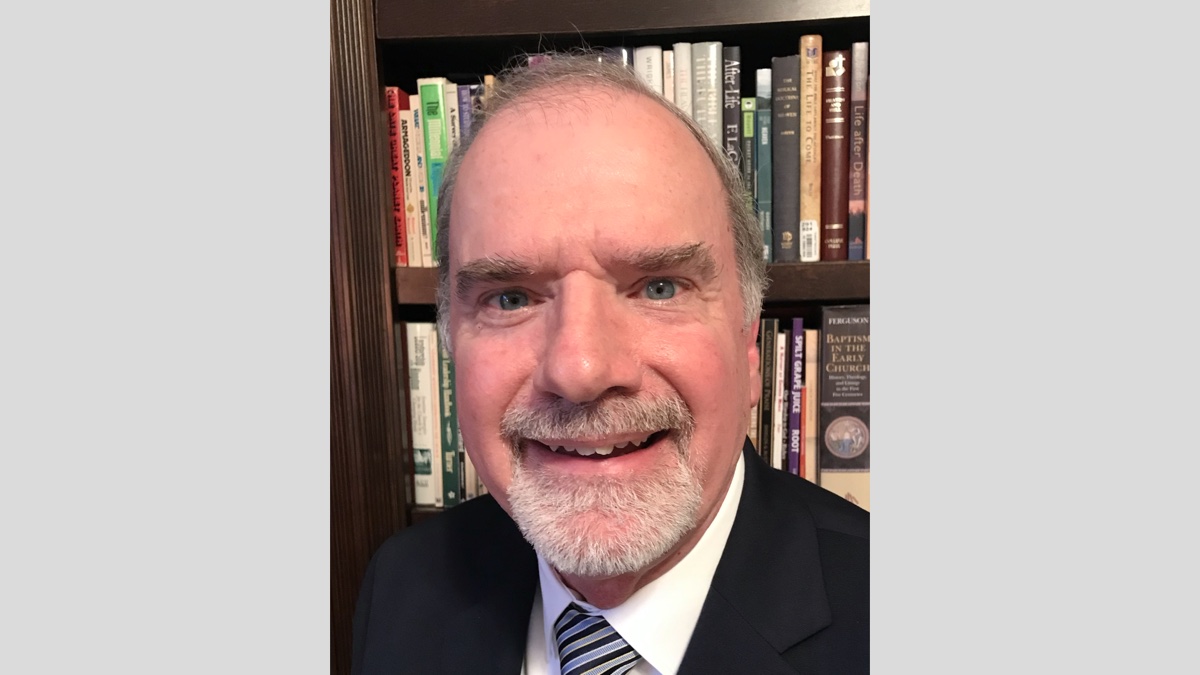



By Danny Linden
Synopsis: God’s plan for the structure of the family is challenging for everyone but creates a beautiful harmony that is good for each member of the family and for society at large.
One accusation frequently made against first century Christians was that they were a threat to societal stability. Christian life interfered with some common (but sinful) societal structures and traditions, so Christians were viewed with suspicion. Of course, following Christ is actually good for a well-run society and contributes to peace and lawful behavior, as long as those in authority do not command sin. Following Christ also does not mean that every societal structure should be undermined. Family structure was important to the pagans, and that remained true in the church. However, God has far greater expectations for the family than does the world.
In Ephesians 5:22-6:4, Paul gives us God’s pattern for wives, husbands, parents, and children. Each person can find challenging expectations and great blessings in this family structure.
Wives, submit to your own husbands, as to the Lord. For the husband is the head of the wife even as Christ is the head of the church, His body, and is himself its Savior. Now as the church submits to Christ, so also wives should submit in everything to their husbands. . . and let the wife see that she respects her husband (Eph. 5:22-24, 33b, ESV).
Contrary to the common views of the day, the Bible assigns a tremendous amount of worth and value to women. Galatians 3:28, for example, shows that men and women have equal standing before God as disciples. Another example is 1 Corinthians 7:13-15, which seems a little difficult to understand from a modern perspective, but consider this: In that day and time, women were expected to follow their husbands unfailingly. They had no inherent rights and were frequently viewed as little more than property. They were even expected to take their husband’s gods as their own.
Paul has a high view of marriage and does not advocate for divorce; by inspiration, he gives women a privilege that society did not—the right to have her own religion and to not follow a husband who was determined to leave her. Contrary to militant feminist claims, these examples show that the Bible holds women in high regard and aims to protect and preserve their rights.
Christianity is not a religion of familial and societal anarchy. Paul acknowledged in Titus 2:5 that there was an opportunity in this freedom for the word of God to be reviled by unbelievers. If that freedom was abused, it would create chaos. His instruction in Ephesians 5:22 is for wives to submit to their own husbands. Yes, there is liberty in Christ, but it is important for the family to function as God designed. The wife is the equal of her husband and stands before God on the same ground with any other disciple, but it is not her place to lead the family.
Paul connects the wife’s submission to her husband as part of her service to Christ. This answers some common complaints that wives have. What if he is not a good husband? What if she is no longer in love with him? What if they got married too young? Her covenant bond is with her husband to be sure, but it is also part of her spiritual walk. Her obligation to her husband is not contingent on him being perfect.
Wives submit to husbands like the church submits to Christ. That is a significant demand, highlighting the seriousness of this relationship. The husband is the head of the wife, just as Christ is the head of the church. Like any analogy, it doesn’t apply in every aspect. Christ is superior to the church in worth and power and in Him is salvation. The husband is not superior to the wife in worth and power, nor is her salvation dependent on him. Yet the analogy is there for a reason. The church is in full subjection to the Christ, and the wife is in full subjection to her husband (with the caveat that Christ’s authority supersedes any unlawful expectation a husband may have).
Wives owe their husbands respect. Other translations even use “fear” in 5:33. Just as with the fear that we have of God, this is not terror of harm. Instead, it is a recognition of the place and responsibility that husbands have in the family. Authority is given to husbands, but with authority comes a heavy burden that deserves respect.
Husbands, love your wives, as Christ loved the church and gave himself up for her, that he might sanctify her, having cleansed her by the washing of water with the word, so that he might present the church to himself in splendor, without spot or wrinkle or any such thing, that she might be holy and without blemish. In the same way, husbands should love their wives as their own bodies. He who loves his wife loves himself. For no one ever hated his own flesh, but nourishes and cherishes it, just as Christ does the church, because we are members of His body. Therefore, a man shall leave his father and mother and hold fast to his wife, and the two shall become one flesh. This mystery is profound, and I am saying that it refers to Christ and the church. However, let each one of you love his wife as himself. . . (Eph. 5:25-33a).
The ancient world took as a given that wives were to live in subjection to their husbands. Pagan wives had a long list of obligations they had to meet and were expected to do whatever their husbands required. The family codes of the time were usually focused on the duties of the wife while leaving the husband in relative freedom. In antiquity, a husband’s typical responsibilities were limited to providing food and shelter for his family.
God’s plan for the family is radically different. Even while reading these verses, we are thrown a curveball. After “wives, submit to your husbands” you would expect the next instruction to be, “husbands, rule well.” Instead, when Paul addresses husbands, he focuses on his responsibilities to her and his treatment of her.
The husband must love his wife as Christ loves the church. As in the analogy made in the previous section, this is a high bar for the husband to meet. Christ loves the church so much that He died for her and works to present her as sanctified, cleansed, and blameless. A husband needs to have that same sacrificial spirit and desire for his wife to be holy. When we understand how much Christ works within us to sanctify us, we will know how seriously a man must take his responsibility to cherish and nurture his wife.
The culture of the time might have been satisfied with selfish men, but God was not and is not. Whatever care a man applies to his own life and body, he must apply to his wife as well. His wife’s wellbeing must be at the forefront of his mind at all times, which includes the physical, emotional, and spiritual.
While modern progressives may find Paul’s instructions to wives scandalous, the commands to husbands were likely even more shocking in the ancient Greco-Roman world. Society’s norms may change over the years, but God’s way remains beautiful and challenging for everyone.
Children, obey your parents in the Lord, for this is right. “Honor your father and mother” (this is the first commandment with a promise), “that it may go well with you and that you may live long in the land.” Fathers, do not provoke your children to anger, but bring them up in the discipline and instruction of the Lord (Eph. 6:1-4).
It is good for children to obey their parents. God demands organization and authority in the family, and children have an obligation to honor and obey their mother and father. There is some similar language used here as in 5:22. Children obey their parents as part of their service to God.
An additional reason is given for children to honor their parents. As described in the Mosaic law, it is a commandment that comes with a promise. Honoring one’s parents leads to a better life. Don’t we see that play out in families every day? Children who learn to rebel against the first authority figures in their lives are rarely successful and well-adjusted when they encounter more authority figures as time goes on. They usually rebel against teachers, bosses, law enforcement, elders, and the Lord. While there are exceptions on an individual level, from a broader perspective, we see that strong families create strong nations.
Interestingly, Paul’s instructions to parents come with more responsibility than contemporary sources typically did. Paul singles out fathers as the leaders of the family—they are responsible for what goes on within their family. Two things from 6:4 would have seemed especially notable to the Ephesians:
First, fathers must raise their children carefully and with regard to their feelings. Ancient fathers had total control of their children and were not afraid to use harsh punishment to keep them in line. Paul warns fathers they must not provoke their children to anger. The balance between effective authority and discipline versus harshness and anger is often a fine one, especially when the surrounding culture would have expected harshness. This has been the case in the history of our nation as well, and only recently has it become more normalized for fathers to display tenderness and love openly, though we want to be careful about painting with too broad of a brush when discussing societal trends. God expects fathers to nurture, instruct, and enforce discipline. That requires nuance and diligence.
Second, this applies to both boys and girls. Fathers at this time were typically responsible for the instruction of sons from about the age of seven on, but usually left their daughters to learn about household duties from their mother. Girls were generally less valued than boys in ancient society. God’s standard is higher than that. God calls fathers to nurture, instruct, and enforce discipline for sons and daughters alike! This is just another example of the radical standards of Scripture.
Woven throughout these instructions to families are truths about Christ and the church. The family is established by God for our good and to bring glory to His name. We can’t separate our religious life from our family life—God is King over all parts of us. If husbands, wives, parents, and children will act righteously and obey the Lord’s commands, all will be better off.
Danny Linden has worked with the Hebron Lane church of Christ in Shepherdsville, KY, since March 2023. He and his wife, Lauren, have four children. The church website is here. His website is here. He can be reached here.



By Makenna Graham
Synopsis: Modesty is not just about how one dresses but also about humility, simplicity, and focusing on inner virtues and godly values.
The world has lost its sense of modesty. Everywhere you look, you see short shorts, or low-cut shirts, etc. It’s a tragedy what this world has come to. The world has lost sight of the pattern God laid down for us so long ago.
We can see the authority of God and how He defines nakedness. “You shall make for them linen undergarments to cover their naked flesh” (Exod. 28:42). God tells Moses and Aaron how the priests are to dress. He commands that the undergarments are to come to the thigh (which is from the hip to the kneecap). We can also see a similar “boundary” when God dresses Adam and Eve because their nakedness was showing. “The LORD God made for Adam and for his wife garments of skins and clothed them” (Gen. 3:21).
God has clearly given us boundaries and certain ground rules for how Christians are supposed to dress. The Lord emphasizes humility and simplicity in our dress, cherishing inner beauty over outward appearance. We are called to be modest not only in our attire but also in our actions, focusing on godly values.
2 Corinthians 1:12 states, “For our boast is this, the testimony of our conscience, that we behaved in the world with simplicity and godly sincerity, not by earthly wisdom but by the grace of God, and supremely so toward you” (ESV).
Here, Paul highlights living with simplicity and a godly sincerity. We aren’t to be vain and call attention to our appearance or actions, but to be humble and simplistic. This, in turn, brings the glory back to God and exalts Him.
In the world, people and the media promote social norms that encourage pride and showing off, especially among women. Instead, we must stay grounded in our faith and remember to remain true to God. Just as the apostles boldly stated in Acts 5:29, “Peter and the apostles answered, ‘We must obey God rather than men’” (ESV), we must look to please God rather than men or ourselves.
Peter says in 1 Peter 3:3-4, “Do not let your adorning be external—the braiding of hair and the putting on of gold jewelry, or the clothing you wear—but let your adorning be the hidden person of the heart with the imperishable beauty of a gentle and quiet spirit, which in God’s sight is very precious.”
God does not care about what we put on our outward selves. He doesn’t care if we’re wearing designer clothes that cost a fortune, or tattered rags. Unlike men, God focuses on the heart (1 Sam. 16:7). Peter says God cherishes the “hidden” person inside of us. This means that God values our eternal soul more than our temporary bodies, not that we have a hidden, secret presence inside us.
Paul writes to Timothy in 1 Timothy 2:9-10 saying, “likewise also that women should adorn themselves in respectable apparel, with modesty and self-control, not with braided hair and gold or pearls or costly attire, but with what is proper for women who profess godliness—with good works” (ESV).
Here Peter talks about how women are not to dress. They should not draw attention to themselves by wearing super expensive or costly apparel. This is not only applicable to women, but men as well. Both genders are not to wear any kinds of clothing that takes the attention away from God. That is who we are trying to please in the end, not men or ourselves, for that matter.
Now, Peter doesn’t prohibit wearing nice clothing. We should try to look as presentable as possible, just not to where we become the center of attention and have everyone ogling at us.
Jesus says, “Do not lay up for yourselves treasures on earth, where moth and rust destroy and where thieves break in and steal, but lay up for yourselves treasures in heaven, where neither moth nor rust destroys and where thieves do not break in and steal. For where your treasure is, there your heart will be also” (Matt. 6:21).
This verse teaches that our hearts will be with what we prioritize. If we prioritize our physical appearance over what God wants, then we are focusing on ourselves rather than God (and we will constantly fail, for we are creatures of sin). If we focus on spiritual values over physical values, we will store for ourselves treasure in heaven.
These teachings collectively emphasize that modesty is not just about how one dresses but also about humility, simplicity, and focusing on inner virtues and godly values. It also reveals your heart, and it reflects who you are.
Now God doesn’t say we can’t have fun or enjoy what we wear. He gives us liberties in how we express ourselves in our dress, as long as we stay within His set boundaries.
God wants us to have fun and enjoy this life, but He also wants us to focus on the future life that we could have with Him. That’s why He places restrictions. That way, we won’t get carried away with ourselves and lose focus of what truly matters. Our attire, attitudes and actions reveal our hearts to the world and ultimately announce who we are. So are we going to show the world we have a righteous heart that is devoted to God, or a hard heart that hungers for sin and unrighteousness?
Unless otherwise noted, all biblical quotations come from the English Standard Version (ESV), Wheaton, IL: Crossway Bibles, 2016.
Makenna Graham has been a member of the Parkview church of Christ in Pasadena, Texas, since 2006. She is a student at San Jacinto in the Houston area. She can be reached here.




By Andrew Dow
Synopsis: The biblical pattern of obedience to the gospel begins with hearing the gospel, but it does not end there. WHAT we hear and HOW we hear the truth of God’s word will determine our relationship with Him.
The words in Deuteronomy 6:4 begin a passage known to the Jews as the Shema, which is Hebrew for “Hear!” As Moses nears his death, he speaks these words to the Israelites. The instruction to “hear” or “listen” is a constant refrain in this last book of the Pentateuch (Deut. 4:1; 5:1; 6:3; 9:1; etc.). For Moses, it is vitally important for Israel to hear Yahweh. Listening to His story and instructions is imperative for any Israelite who intends to become and remain faithful to Him.
That Paul communicates the same idea should not be shocking: “Faith comes from hearing, and hearing by the word of Christ” (Rom. 10:17, NASB). Only a few verses earlier, Paul wrote, “How will they believe in Him whom they have not heard?” (v. 14). The theme is consistent: faithfulness to God begins with our willingness to hear Him. Therefore, every conversion story in the book of Acts (and beyond) began with someone hearing the gospel of Jesus Christ (e.g., Acts 2:37; 8:5-6; 10:33-34; etc.).
Whenever we collate the Bible’s teaching to communicate succinctly our part in salvation, we typically begin by saying, “We have to hear!” True enough! However, let’s not take for granted the importance of hearing the gospel. Hearing mattered to Moses, it mattered to Paul, and it should matter to us.
There is plenty of “noise” happening around us all the time. Not merely volume, but people and ideas vying for our attention. The world produces “noise” in the form of the ever-present news cycle, the obligations we bear, the relationships we have, the challenges we face, and the constant barrage of social media in our pockets. Not everything listed here is evil, but it is “noise” that longs for our attention. “Noise” is equally present in the religious world. Many churches, denominations, religions, and competing interpretations seek our attention. What we choose to hear matters.
The kind of hearing that Moses and Paul encouraged is about hearing God’s words. This idea, that “God speaks words,” permeates the Scriptures. No matter where you find Yahweh speaking words in the Bible, those words are always powerful. In some instances, God’s words have creative power. In Genesis 1, God speaks words and the physical universe burst into existence. In Ezekiel 37:1-14, when the prophet spoke the word of the Lord, the surrounding bones were infused with life. At other times, God’s words carry the power to inflict judgment. David acknowledged this in Psalm 18:14-15, after God destroyed his enemies with His rebuke. Jesus once memorably said, “The word I spoke is what will judge him at the last day” (John 12:48).
When God speaks, things are created or destroyed. God’s words have the power to bend reality such that it conforms to His will. The power of God’s words is simply awe-inspiring. We find this statement in Paul’s letter to the Romans: “For I am not ashamed of the gospel, for it is the power of God for salvation to everyone who believes” (Rom. 1:16). The gospel is God’s story; a story handed down to us from Yahweh Himself! This story expressed in God’s words is, according to Paul, powerful enough to deliver us from our sins. Listen to those words!
The alternative is that we might fill our ears and hearts with words invented by men, but these would be only cheap imitations of the life-giving words of God. I challenge us all to avoid listening to man’s opinions as much as possible. This doesn’t mean we should avoid human speakers or authors, but we should recognize the difference between someone sharing their own thoughts and someone conveying the mind of God. The prophet Jeremiah said, “I know, O Lord, that a man’s way is not in himself, nor is it in a man who walks to direct his steps” (10:23). Paul agreed: some teach and others hear “a different gospel” (Gal. 1:6). Humanity might produce homilies and philosophies that bear a passing resemblance to spiritual truth (cf. Gal 1:7), but the only words with the power to save belong to God.
It is important to hear the right things (i.e., the truth found in the Bible), but it is equally important to hear in the right way. Jesus accused some people who crowded around Him of hearing without hearing. “I speak to them in parables,” He said, “because while seeing they do not see, and while hearing they do not hear, nor do they understand” (Matt. 10:13). Some followed Him and listened to all His teaching, but they never truly “got it.” They hear what He is saying, but they don’t understand. Jesus quotes Isaiah 6, but we can add to that Ezekiel 12:1-4. Hearing without hearing was a consistent problem for the Israelites.
I hope this distinction between hearing and hearing is clear. There is a difference between (1) hearing the auditory signals coming into your ears and (2) properly understanding and applying the meaning of those sounds. There are many who hear the words of God—they read their Bibles, do their Bible class lessons, take notes on sermons, and listen to their favorite preacher’s podcast on the way to work. Yet it is quite a distinct thing to hear the words of God—to drink deeply and earnestly from the life-giving Scriptures and to engage eagerly with teaching and discussion. Some listen just to say they heard, but others listen because they know the power of the words they are hearing.
Hearing properly means hearing with the intention of learning and applying the truth. Listen to James’s teaching and illustration:
Therefore, putting aside all filthiness and all that remains of wickedness, in humility receive the word implanted, which is able to save your souls. But prove yourselves doers of the word, and not merely hearers who delude themselves. For if anyone is a hearer of the word and not a doer, he is like a man who looks at his natural face in a mirror; for once he has looked at himself and gone away, he has immediately forgotten what kind of person he was. But one who looks intently at the perfect law, the law of liberty, and abides by it, not having become a forgetful hearer but an effectual doer, this man will be blessed in what he does (1:21-25).
What Jesus called “hearing versus hearing,” James calls “hearing versus doing.” Holding up a mirror to find that your hair is a mess is only a useful endeavor if you intend to make corrections. This is the kind of listening that is interested in learning. This is the kind of ear that is open to correction. This is the kind of hearing that is eager to become active. This is the kind of hearing that the Ethiopian Eunuch exhibited: he heard the life-giving words of God in the Scriptures (Acts 8:28), was open to understand what he heard (8:34) and was eager to put the words he heard into action (8:36).
Like Israel before us, God calls us to hear His stories and instruction as revealed in the Bible. Hearing the gospel is not merely a step on the road to salvation; it is the gateway to knowing Yahweh. We can know who God is and what He wants by hearing His words in Scripture. Hearing matters. How you hear matters and what you hear matters. So, listen to God and listen with intention.
Andrew Dow has worked with the Woodland Hills church of Christ in Conroe, TX, since 2015. He and his wife, Heather, have four children. The church website is here. He can be reached at here.


By Curtis Carwile
Synopsis: Faith is necessary for salvation, but faith in what? What does the gospel teach that a person must believe in order to be saved? All accountable souls need a savior and Jesus Christ is the only one who can save us. Genuine faith moves the heart to faithfulness.
I remember learning the “Steps of Salvation” when I was growing up: “Hear, believe, repent, confess, be baptized, and live faithfully.” I heard this taught, at the very least, at the end of every sermon. It was constantly taught in every Bible class. I even had it drilled into my head at home. So, when I was ready, I took each of those steps in order to be saved. Though there have been some missteps along the way, I am still walking by faith to eternal salvation (2 Cor. 5:7).
With that said, I also remember asking about one of those steps. “Okay. I know that I have to believe in order to be saved, but what all do I need to believe in order to be saved?” This is a question that I have heard dozens of people ask throughout the years. It’s a good question which deserves a Bible answer. So, what does someone need to believe if he wants to be saved?
One thing a person needs to believe is that he needs a Savior. “A Savior? Why? From what?” Without hyperbole or exaggeration, sin is the biggest problem humanity has faced, is facing, and will ever face. To be clear, sin is the violation of God’s Law (1 John 3:4). Since the beginning, God has given His law to humanity. In the beginning (Gen. 2), it was simple: name the animals, tend the garden, and do not eat of the tree of knowledge of good and evil. After that, God continued to reveal His Law to humanity until the fullness of His Law was revealed in Christ (1 Cor. 9:21; Jas. 1:25).
So, when a person (either willfully or ignorantly) violates God’s Law, that is sin. As with any law, there are consequences to violating His Law. Sin separates a person from the holy God of heaven (Isa. 59:2), our life-giving and life-sustaining Lord. Thus, it is also called a spiritual “death” (Rom. 6:23). If something doesn’t change, the person who is “dead” in sin will be found guilty in the Judgment Day and will suffer eternal separation from God (2 Thess. 1:9) in what is called “the Second Death” (Rev. 20:10-15; 21:8). This wrath of God is upon all who sin (Eph. 2:1-3). With that said, part of this problem is that all of humanity has sinned by violating God’s Law (Rom. 3:23). Every single person has been tempted to sin and has given in to that temptation to sin (Jas. 1:14-16). Anyone who says otherwise is lying (1 John 1:8, 10).
Another part of the problem is that, just as no one who is drowning to death can save themselves, no sinner can save themselves from God’s wrath. Salvation belongs to God and to God alone (Rev. 7:9-12). Since all have sinned (Rom. 3:23), no one can earn salvation on his own (Eph. 2:8-9). In short, every individual is a condemned soul who needs someone to save him from God’s wrath. This is one thing a person needs to believe.
Another thing that a person needs to believe in order to be saved: Jesus is our only Savior. He alone can redeem us from the outpouring of God’s wrath. In Acts 4:12, Peter said it plainly to the Jewish leaders: “Nor is there salvation in any other, for there is no other name under heaven given among men by which we must be saved.” It is because of God’s great love for every one of us that He sent Jesus to this world to save it. In John 3:16, Jesus told Nicodemus, “For God so loved the world that He gave His only begotten Son, that whoever believes in Him should not perish but have everlasting life.” Because of His great love for us (Gal. 2:20b), Jesus came to save us. Jesus even admitted this to us in Luke 19:10 when He declared, “For the Son of Man has come to seek and save that which is lost.”
God sent Jesus to save us because Jesus is the only One who can do so. Because of the way God set up this world, we must understand that “without the shedding of blood, there is no forgiveness” (Heb. 9:22b); a sacrifice of blood must be made to God to bring about His forgiveness. While people offered to God “the blood of bulls and goats and the ashes of a heifer” for atonement of their sins (Heb. 9:13), they could never quite do the job; those things had to be offered time after time without ceasing (Heb. 10:1-4) because the one who made the sacrifice kept returning to sin. A better sacrifice was needed, and that was Jesus. Jesus offered Himself on the “altar” of the cross to shed His own blood in order to make peace between God and humanity (Heb. 9:11-14; 1 John 2:2).
Thankfully, His sacrifice was accepted by God (Eph. 5:2). To be clear, this sacrifice is something only Jesus could offer. Partly, this is because, unlike anyone else, He truly was without “spot or blemish” (i.e., sin) (1 Pet. 1:18-19), despite being tempted in every way as we are (Heb. 4:15). You see, as far back as you can go, God distinguished between sacrifices which were acceptable and which sacrifices were rejected (Gen. 4:1-7). These sacrifices were to be pure, without physical spot or blemish (Lev. 1-7). Because Jesus was without spiritual “spot or blemish,” His sacrifice was accepted.
Also, what makes Jesus’s self-sacrifice absolutely superior to any other is the fact that Jesus was “Immanuel,” that is, “God with us” (Matt. 1:23; Col. 1:19; 2:9). This is something no one else could ever truthfully claim. It is because this priceless treasure was freely offered. It was powerful enough to atone for all the sins of all the world for all time! What makes Jesus even more special as a Savior is that He not only provides an escape from God’s wrath with His Sacrifice, but also provides a place to which one can escape with His resurrection from the dead! Because of His resurrection, those who submit to the gospel plan of salvation enjoy forgiveness—having been buried with Christ in baptism and raised to walk in newness of life (Rom. 6:4-5). Furthermore, those who remain faithful will be raised on the Last Day (1 Cor. 15)! Truly, no one else could be the Savior humanity needs. Everyone who wants to be saved needs to believe this truth.
A final thing a person needs to believe in order to be saved is that the believer needs to respond appropriately to their belief in the truth. Sadly, too many people believe that, once they mentally accept these things as fact, they are saved. This is simply not true. The Lord explains this to us in James 2:14-26. He said, “You believe there is one God. You do well. Even the demons believe- and tremble!” (v. 19). Again, “You see then that a man is justified by works, and not by faith only” (v. 24). A person must do something with his faith to be saved. One thing a person must do because of faith is repent of his sins. In Hebrews 10:39, the writer spoke to fellow saved souls and said, “But we are not of those who draw back to perdition, but of those who believe to the saving of the soul.” Those who believe draw away from the destructive lives they have been living. That is called “repentance.” Jesus said that “unless you repent, you shall all likewise perish” (Luke 13:3). A believer needs to confess that belief unto salvation (Rom. 10:9-10). Believers will follow the example of the Ethiopian Eunuch, who freely confessed, “I believe that Jesus Christ is the Son of God” (Acts 8:37).
This leads us to another thing a believer needs to do. Just as the Ethiopian Eunuch believed in Jesus, and was baptized in His name (Acts 8:38), every believer needs to do the same in order to be saved. This is what Jesus told the believer to do in Mark 16:16. Once the believer is baptized, his sins are washed away (Acts 22:16) and he is saved. Yet, even then, saved believers must continue to live faithfully to Him (Rev. 2:10), not returning to sin, but striving to maintain the good works (Titus 3:8) God has prepared for us to do (Eph. 2:10). This is how a genuine believer responds appropriately to his faith. This is how all people need to respond to the faith they have if they are to be saved.
Friends, for a person to be saved, he needs to believe (1) in his need for a Savior, (2) in Jesus as the only Savior, and (3) in his need to respond appropriately to the truth.
Curtis Carwile labors with the Northwest church of Christ in Evansville, IN. He and his wife have four children. The church website is here. He can be reached here.



By Terry Partain
Synopsis: Turning from sin in repentance is a command of God. Refusal to obey this command leaves one in a state of condemnation. God wants those in sin to return to Him, putting on a new mind that imitates His own nature. To do this, one must first recognize his own sinfulness and need for salvation. Those who do so will repent of sins, turning in obedience to God.
Repentance is a command. John the Baptist cried out in the wilderness, “Repent, for the kingdom of heaven is at hand” (Matt. 3:2). The call to repent never stands alone: it is always, “or else.” God will judge all men. Paul told the philosophers of Athens, “The times of ignorance God overlooked, but now He commands all people everywhere to repent, because He has fixed a day on which He will judge the world in righteousness” (Acts 17:30). John said, “You brood of vipers! Who warned you to flee from the wrath to come? Bear fruits in keeping with repentance.” He added, “Even now, the axe is laid at the root of the trees. Every tree therefore that does not bear good fruit is cut down and thrown into the fire” (Luke 3:7-9). There is no hope or salvation in the old life of sin and the unfruitful works of darkness (Eph. 5:11). In the old life, there is only the fearful expectation of judgment, and a fury of fire that will consume the adversaries of God (Heb. 10:26-27). For those who believe the message, repentance represents a new beginning—a first step toward peace with God and peace in our own lives. It is not once and done. Instead, it leads to a lifetime of training in righteousness (2 Tim. 3:16-17).
Perhaps over 700 years before, God called out, “Return to Me!” (Isa. 44:22). Amos wrote, “Seek the LORD and live” (Amos 5:6). Then in verse 14, “Seek good, and not evil, that you may live.” The word “life” in the Bible has always meant more than just physical life. In John 1:4, “In Him was life, and the life was the light of men.” Life is more even than forgiveness or salvation from the guilt of sin. It is “the light of the world” (John 8:12), the teachings of Jesus, that instruct us on how to live the new life: salvation from the practice of sin. The salvation of John 3:16 is precisely that. He who believes in Jesus will accept the way of living that He taught, and thus will escape from the slavery to sin, the practice of sin. Romans 6:16, “you are slaves of the one whom you obey, either of sin, which leads to death, or of obedience, which leads to righteousness.”
As we see in Ephesians, Paul tells us the “new mind” of repentance is the deliberate putting off the “old man” (4:22) and the putting on the “new man” (4:24). The truth in Jesus called all nations to no longer walk “in the futility of their minds” (4:17).
But that is not the way you learned Christ!—assuming that you have heard about Him and were taught in Him, as the truth is in Jesus to put off your old self, which belongs to your former manner of life and is corrupt through deceitful desires, and to be renewed in the spirit of your minds, and to put on the new self, created after the likeness of God in true righteousness and holiness (Eph. 4:20-24).
This is the “life of God,” from which the Gentiles were alienated. This is the point of Galatians 2:20, which says, “I have been crucified with Christ. It is no longer I who live, but Christ who lives in me. And the life I now live in the flesh I live by faith in the Son of God, who loved me and gave himself for me.” If you are buried with Christ by baptism into death, then you rise to walk in newness of life (Rom. 6:4). The argument is that one must put to death the old ways of thinking and living (Col. 3:1-5) and take on the new way of thinking and living, which is called the “divine nature.”
His divine power has granted to us all things that pertain to life and godliness, through the knowledge of Him who called us to His own glory and excellence, by which He has granted to us His precious and very great promises, so that through them you may become partakers of the divine nature, having escaped the corruption that is in the world because of sinful desire (2 Pet. 1:3-4).
The glory of God and the glory of Jesus is that “divine nature” that we can take on if we look on His image and are transformed into that image from glory to glory (2 Cor. 3:18). That transformation is a “renewing of the mind.”
Do not be conformed to this world, but be transformed by the renewal of your minds, that by testing you may discern what is the will of God, what is good and acceptable and perfect (Rom. 12:1-2).
That, again, is the root idea of repentance, i.e., renewing the “new mind.”
When the Jerusalem unbelievers stirred up the crowds against Paul, Romans soldiers rushed to stop the riot. Felix, the governor of Judea, sat in judgment over Paul, but the Holy Spirit used the occasion to reason with the governor about righteousness and self-control and the coming judgment (Acts 24:25).
To save souls who are lost in sin, they must be convinced that they are sinners in need of salvation. They must be “judged” in the flesh—condemned because of the sinful things that they are doing. God delivered all judgment into the hands of Jesus, “The Father judges no one, but has given all judgment to the Son” (John 5:22). Evil men hated Jesus because He told them the truth about their sinful works: “The world cannot hate you, but it hates Me because I testify about it that its works are evil” (John 7:7). Nevertheless, those who were “poor in spirit” gladly received His correction. Jesus offered the Samaritan woman “living water” (John 4:10) that would become a spring within her of eternal life (John 4:14). She said, “Sir, give me this water, so that I will not be thirsty or have to come here to draw water” (John 4:15). Jesus immediately exposed her sins of immorality. Rather than get mad, she acknowledged that He had to be a prophet of God and raised a bone of contention between the Jews and Samaritans (John 4:19-20). Jesus’s answer led her to ask about the Messiah. When Jesus told her that He Himself was the Messiah, she bid her friends to come and meet Him. “Come, see a man who told me all that I ever did. Can this be the Christ?” (John 4:29).
It was no different on the Day of Pentecost, when the twelve apostles judged Israel for rejecting God’s Chosen One and crucifying Him. Peter testified that God raised Jesus from the dead and made Him Lord and Christ. His audience stood condemned. Being cut to the heart, they cried out, “Brothers, what shall we do?” (Acts 2:32-40) The first word out of Peter’s mouth was, “Repent.” The judgment in Peter’s words is further expressed in verse 40:
And with many other words, he bore witness, and continued to exhort them, saying, “Save yourselves from this crooked generation.”
They had acted wickedly like the rest of their generation and needed to be rescued from the certain wrath of God that could be poured out on them at any moment. What fruits do we see of their repentance? They were baptized for the remission of their sins, and they “devoted themselves to the apostles’ teaching and fellowship, to the breaking of bread and prayers.” They were brand new disciples hungry to learn how to live the new life.
Terry Partain was born and raised in south Texas. As a “preacher’s son,” he had many opportunities to preach as a teenager and began full-time work in 1969 in English. In 1992, he entered Spanish work in Florida and Texas, then finally in Alabama. He can be reached here.


By Nathan Pope
Synopsis: When we are excited about something, we eagerly tell others about it. Faith in Christ must be this same way. The soul who truly believes in Jesus as the Savior of his soul must confess that faith. Genuine faith is not silent or paralyzed with fear over what could happen if our confession is rejected. Jesus conditions our salvation on our willingness to confess Him when we come to faith and throughout our life in service to Him.
I must confess, I convinced both of my parents to buy toe socks! While I know this may sound silly and most people might never wear them, there was actually a good reason for my recommendation. Just a couple of weeks before I persuaded them, I discovered the health benefits of wearing foot-shaped shoes and toe socks. They help maintain balance, increase stability, and improve standing posture, which can relieve chronic pain, etc. I was proud of my new discovery and I was eager to share it with anyone and everyone! To my surprise, this excitement was contagious, and my parents informed me they, too, had purchased new toe socks and foot-shaped shoes.
This pride is reflected to a greater level in our confession of our faith in Christ Jesus. Our faith in Christ gives us a new identity, a new life, a hope for the future, peace in our hearts, and confidence to endure sufferings. The joy we have in our new life gives us an excitement and an anticipation to tell others of this new transformation. We cannot wait to tell others! To our surprise, this confession is contagious, and often leads other souls to submit their life to Christ.
Unfortunately, in American culture today, we are often encouraged to hide and stifle our pride in Christ so as not to risk “offending others.” While we may have good intentions, we rarely like the alternative risk of rejection or loss of influence. We do not want to be seen as a pushy, “sales-y,” or a door-to-door zealot, so we keep silent. There is “a time to keep silent and a time to speak” (Eccl. 3:7, ESV).
Jesus once told the Pharisees and the following crowd, “Out of the abundance of the heart, the mouth speaks” (Matt.12:34; Luke 6:45). While we may not like the risk of offending others, being rejected, or losing our influence, we may find there is actually a deep-rooted reason we do not confess our faith in Jesus Christ.
If the opposite of confession is denial, we may think that denial has far greater damage than silence. Let’s reconsider for a moment. When recalling Peter’s denial of knowing Jesus, we might look with disgust and say, “How could he deny even knowing the Savior of the world?” While it certainly displeased God to hear these words, we are also told in Scripture that the Spirit Himself spews the lukewarm out of His mouth. “I know your works: you are neither cold nor hot. Would that you were either cold or hot! So, because you are lukewarm, and neither hot nor cold, I will spit you out of my mouth” (Rev. 3:16). If confession is being “hot,” and denying is being “cold,” then most certainly silence is being “lukewarm.”
The truth is our faith in Christ should radiate from us, the rays of which are our confession. Confession is not merely a requirement to be a part of the kingdom, it is a privilege, and an opportunity, to shine our spiritual light to all men. Without our daily confession of Christ to others, we would not bring souls to Christ, and we would not edify the saints. This confession becomes second nature to one who is truly feels pleasure and satisfaction at this new life in Christ Jesus.
Have you ever recommended a movie, restaurant, or business to a friend or even a stranger? Of course, we all have! If we had a pleasant experience, we are more likely to recommend it to someone else. So why do so many Christians avoid confession, a necessary step of the Christian walk? My suspicion is that we have lost our pride in Jesus Christ. Unlike a good movie recommendation, the confession of our faith in Christ produces deeper, higher, and richer results. The fruit of our confession will lead to lives that are forever changed, marriages healed, lost souls reunited, and eternal peace restored.
“Look at the ships also: though they are so large and are driven by strong winds, they are guided by a very small rudder wherever the will of the pilot directs. So also the tongue is a small member, yet it boasts of great things” (Jas. 3:4-5). As the tongue is our rudder, which controls the direction of our lives and influences the lives of others, the confession of our faith steers the eternal path of our life and that of others toward Christ! Another blessed result of this confession is salvation from our sins. Paul said to the Romans, “if you confess with your mouth that Jesus is Lord and believe in your heart that God raised Him from the dead, you will be saved. For with the heart one believes and is justified, and with the mouth one confesses and is saved” (Rom. 10:9-10).
While a loss of pride may be a deep-rooted reason we do not confess our faith in Christ, Jesus Himself also warns: “Do not fear those who kill the body but cannot kill the soul. Rather, fear Him who can destroy both soul and body in hell. . . . So everyone who acknowledges me before men, I also will acknowledge before my Father who is in heaven, but whoever denies me before men, I also will deny before my Father who is in heaven” (Matt. 10:28, 32-33). Fear can cripple us to deny Christ, just like Peter denied Him (Luke 22:54-62). Fear can also cripple us to be silent, just like Joseph or Nicodemus, who both buried Jesus in secret (John 19:38-39). When we choose confession, our reward is that Jesus will confess us to our heavenly Father. When we choose fear and deny our faith, the consequence is that we will receive the terrifying sentence from God Almighty, “Depart from me, I never knew you” (Matt. 7:21-23).
If you observe babes in Christ and also those who have been Christians for many years, who seem to be confessing Christ more often? It may seem that the babes, full of excitement and joy about their new walk, confess their faith more freely and openly. While this may seem to be the case, it is also important to observe that older and wiser Christians have a greater understanding of the brevity of life. Our life is truly a vapor, and each year seems to go by quicker and quicker. As our physical bodies break down, we appreciate even more the “new heaven” and the “new earth” where the spirit leaves the confines of the physical body. With these observations in mind, we recognize that our confession and pride in being a Christian should be constant. There is no point in our life that our confession should be any less contagious or any less frequent.
I was waiting in the checkout line at a local grocery store and made eye contact with a couple waiting in line behind me. “Are you Nathan Pope?,” the man asked. “Yes, I am. Have we met before?,” I asked. “Yes, we met at this same grocery store a couple of years ago, and you preached the gospel to my wife and me. After we spoke, I started going to church more.” To this day, I still do not remember meeting this couple or preaching the gospel to them. This is what I mean when I say our confession should come as second nature. We should talk to anyone and everyone who will listen because we are excited to share the good news. This excitement is contagious and brings more souls to Christ.
With pride in Christ, rather than the fear of man, we can confidently say, “I have not hidden your deliverance within my heart; I have spoken of your faithfulness and your salvation; I have not concealed your steadfast love and your faithfulness from the great congregation” (Ps. 40:10). By confessing our faith in Christ Jesus and the salvation we enjoy, we can truly take hold of eternal life (1 Tim. 6:12). By confessing our faith in our Savior, we can inspire others to do the same. May God be glorified in our confession and may the kingdom grow through this blessed privilege!
Nathan Pope has worked with the Craigs Chapel church of Christ in Lester, AL, since 2017. Nathan and his wife, Autumn, have three children. He can be reached here.



By Jason Garcia
Synopsis: Baptism as taught in the New Testament is a specific action—immersion in water. It is not accomplished by a different action. It is an act necessary for one’s salvation, but is not the sole act, nor an act that merits salvation. Rather, it is a symbol of one’s burial with Christ, being clothed in Christ, and washing away one’s sins.
There is one body and one Spirit—just as you were called to one hope when you were called—one Lord, one faith, one baptism; one God and Father of all, who is over all and through all and in all (Eph. 4:4-6, NIV).
Much has been said regarding the one baptism, and I can’t pretend to offer anything new on the subject. However, in the spirit of Philippians 3:1b, “to write the same things is no trouble for me, and a safeguard for you”—please allow me to offer a few points for your consideration.
Every man’s standing with God is scripturally determined, and examining what God says about your soul leads to either blessed assurance or grave concern. God alone grants you the right to become one of His children (John 1:12), and only on His terms—trusting obedience to Christ (Heb. 11:6). To put it another way, His plan to save you includes a response from you. “If you continue in My word, then you are truly My disciples” (John 8:31, emphasis mine), thus being a true disciple of Jesus, receiving forgiveness, and enjoying every spiritual blessing He offers is predicated on following His instructions. Only then can you be confident. Why else would John say, “by this we know that we have come to know Him, if we keep His commandments” (1 John 2:3)? The sacrifice of Christ will be of no benefit to you unless, and until, you submit to the conditions put forth in His word. Baptism is one of those conditions.
“Baptize” is an anglicized form of the Greek word baptizō, meaning “to submerge” (Souter) or “to immerse” (Strong). Since the Holy Spirit inspired men to use the exact words they were to write (1 Cor. 2:13), let’s take a moment to see how He uses baptizō in context:
John baptized in Aenon near to Salim “because there was much water there” (John 3:23).
Philip and the Ethiopian “went down into the water. . . and he baptized him” (Acts 8:38).
As soon as Jesus was baptized, He went up out of the water (Matt. 3:16).
While not directly inspired, the Septuagint (the Greek translation of the Old Testament quoted by some New Testament writers) is helpful. Naaman is instructed to “wash (louō) seven times in the Jordan” (2 Kings 5:10), in following these instructions “he went down and dipped himself seven times in the Jordan” (2 Kings 5:14). Please note that the Hebrew tabal, here translated “dipped,” is rendered baptizō in the LXX, and means “to dip, immerse” (HALOT, Gesenius, etc.)
Baptism is also a command of Christ—“He who believes and is baptized will be saved”(Mark 16:16; cf. John 3:5; Matt. 28:18-19).
Given the scriptural evidence, baptism is necessary for salvation and this purpose is defined thoroughly. Christ commands immersion in water for forgiveness of sins, thus any other action (pouring, sprinkling, etc.) is not merely a different “mode” of baptism, but a different act altogether. It is not baptizing as Scripture defines it, so it cannot be what Christ commands. Baptism is its own mode. Baptism is immersion, and from the New Testament perspective, there is no alternative to accomplish the same purpose.
No one has ever been, nor will anyone ever be, unscripturally baptized into Christ. The inverse is also true: no one is scripturally baptized into a denomination. Baptism is not a “church doctrine” or “church ordinance” (the church has no legislative authority—because there is One Lawgiver; Jas. 4:12). Neither is baptism “for a clear conscience toward the church.” I knew a perpetual visitor of a congregation who felt he “owed it to the church” to be baptized because “they had been so good to him.” He recognized and appreciated the kindness of Christians, but failed to appreciate his own need for forgiveness, and to be baptized in the name of Christ.
Yes, one can be called a “disciple” without having been baptized into Christ, but not for very long. Paul found twelve disciples in Ephesus who only knew the baptism of John (Acts 19:1), but upon learning of baptism into Christ, they submitted and “were baptized in the name of the Lord Jesus” (Acts 19:2-5). When one is confronted with the truth, he can no longer be honest in his error: he will either cease being in error or cease being honest—he can no longer be both.
Baptism saves, and the Holy Spirit has no qualms about this phrasing: “baptism now saves you, not the removal of dirt from the flesh, but an appeal to God for a good conscience” (1 Pet. 3:21). New Testament baptism has no efficacy in a vacuum, meaning baptism is not a sufficient condition in itself to bring one into a right relationship with God. David said, “The sum of your word is truth” (Ps. 119:160)—therefore, the sum of all things regarding salvation in the new covenant must be taken into consideration.
Whatever God says is part of His plan of salvation may be said to “save” us. This is true of His grace (Eph. 2:8), faith (Heb. 11:6), repentance (2 Cor. 7:10), confessing Jesus as Lord (Rom. 10:9-10), lifelong faithfulness (Rev. 2:10), and baptism (1 Pet. 3:21). If I diminish or ignore any one of these conditions for salvation in Christ, I have no scriptural reason to believe I am saved. Yet, many ignore one or all of these, falsely believing they are safe from judgment.
God declares fellowship with Him is predicated on obedience to His word (Luke 6:46; John 14:15; 1 John 2:3-4), and every example we have of baptism in the New Testament follows a sincere belief in the Savior. Christians know that baptism is not their Savior, Christ is. Jesus Christ is the Savior of those who put their trust in Him. Thus, on Pentecost “those who had received his word were baptized; and that day there were added about three thousand souls” (Acts 2:41). Knowing this, one cannot have a good conscience toward God while refusing baptism for remission of sins. It’s that simple.
Baptism results in forgiveness not because it’s administered by one of “our” preachers who says the “right words,” or because one uses a designated water source (church baptistry, “holy” well), or location. No, none of these are consequential; instead, baptism results in the forgiveness of sins because God says it does.
Too often we get wrapped around the axle about who performed the baptism and where it was done rather than discern a person’s reason for being baptized. We need to shift the conversation, especially when those desiring to align with truth leave sectarianism to join sound local churches. We should ask, “into what were you baptized?” to help them scripturally determine their standing with God. So long as we think in terms of “our” baptism as valid, and “their” baptism as sectarian, we’ll be of no help to them, and only fortify sectarian thinking.
I don’t know why folks keep insisting that baptism is a “work that earns salvation.” Where does the Bible indicate that? Why not be satisfied with the way God describes baptism’s nature and purpose? In one instance, it is a burial and resurrection wherein our old self is crucified (Rom. 6:3-7); in another, it is an “appeal to God for a good conscience” (1 Pet. 3:21); in another, it is clothing ourselves with Christ (Gal. 3:27); it is washing away sins (Acts 22:16); and elsewhere, a circumcision of the heart and an expression of faith in the work of God (Col. 2:10-14). Is baptism a symbol? Yes! Much is depicted in the act of baptism, but it is not merely a symbol. Nowhere does the New Testament indicate that baptism is ceremonial, optional, or an “outward sign of an inward faith.” A thousand creeds, manuals, and catechisms will not change a single word Jesus that said about baptism, neither will countless hypotheticals wherein someone is killed on his way to be baptized.
I recall trying to convince a young man that Jesus said he needs to be baptized, to which he responded, “Doesn’t it seem arbitrary to you—that God would require such a thing for my salvation?” That is the wrong question. Whether something God said “seems arbitrary” to me or anyone is irrelevant, and it certainly doesn’t change the fact that God said it. Naaman had such thoughts as he stormed away from Elisha’s house, believing he wasted a trip. Thankfully, he later put his faith in the word of God rather than his own reasoning and received the physical healing he earnestly desired. If only more folks would do the same.
Nothing is more urgent than the salvation of your soul. You don’t have to know Greek to understand baptism. However, you must have a “good and honest heart” (Luke 8:15), and an earnest desire for truth (2 Thess. 2:10). With these, you can discern the will of God, submit to His terms for salvation, and look forward to heaven.
Jason Garcia has been preaching since 2010, working with brethren in Amarillo and Odessa, TX. For the last ten years, he has been preaching at the Leon Valley church of Christ in Temple, TX. He and his wife Sarah, have three children. He can be reached here.

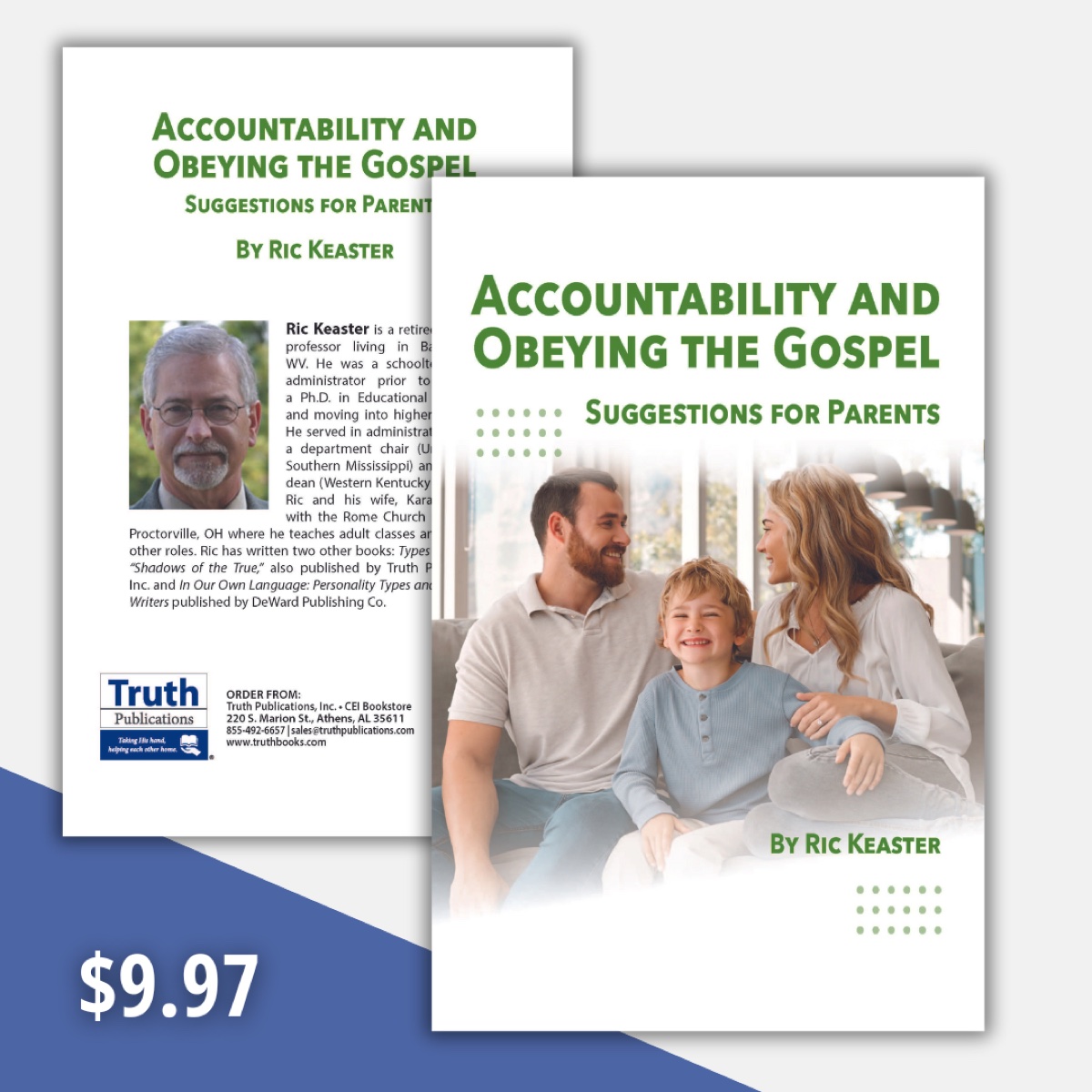
By Wayne Partain
Synopsis: Salvation in Christ is conditioned on abiding in faithfulness to the Lord, but how is that accomplished? Wayne Partain, a gospel preacher still preaching and teaching at ninety-eight, offers us some practical and understandable suggestions on how to make this charge a reality in our own lives.
This special issue of Truth Magazine is dedicated to lessons on obeying the gospel and remaining faithful. Obviously, there would be no point in obeying the gospel to be saved unless we are determined to stay saved. Revelation 2:10 exhorts, “Be faithful until death and I will give you the crown of life.”
We must remain faithful to go to heaven and to avoid going to hell. The two main purposes of life are (1) to be sure—very sure—that we are going to heaven and, (2) to be sure—very sure—that we are not going to hell. If these are not the two main purposes of life, no matter how rich, famous, intelligent, or successful we are, life is a miserable failure and the “intelligent” are actually foolish!
“And you shall love the Lord your God with all your heart, with all your soul, with all your mind, and with all your strength. This is the first commandment” (Mark 12:30). This was the first commandment under the Law of Moses, and it’s the first commandment under the Law of Christ. If we obey this commandment, we will remain faithful because this means that God is absolutely first in our lives—no exceptions!
“Seek first the kingdom of God and His righteousness” (Matt. 6:33). Most people live only for this earthly life. Family, employment, business, entertainment and dozens of other interests come first in their lives and they do not attend the services of the church faithfully.
The new Christian should be determined to obey Mark 12:30 and Matthew 6:33, regardless of consequences. Remember what Jesus said about the cost of discipleship: believers were exhorted to deny self, cut off the right hand and pluck out the right eye (if necessary), sell all that they possessed and give it to the poor, to walk in the narrow way, love God more than their fathers and mothers, etc. We must count the cost.
In order to remain faithful, the new Christian must bear the “fruit of the Spirit.” Paul teaches in Galatians 5:22-23, which says, “The fruit of the Spirit is love, joy, peace, longsuffering, kindness, goodness, faithfulness, gentleness, self-control.”
The new Christian should “add” the seven virtues of 2 Peter 1:5-11:
Giving all diligence, add to your faith virtue, to virtue knowledge, to knowledge self-control, to self-control perseverance, to perseverance godliness, to godliness brotherly kindness, and to brotherly kindness love. For if these things are yours and abound, you will be neither barren nor unfruitful in the knowledge of our Lord Jesus Christ. For he who lacks these things is shortsighted, even to blindness, and has forgotten that he was cleansed from his old sins. Therefore, brethren, be even more diligent to make your call and election sure, for if you do these things, you will never stumble. For so an entrance will be supplied to you abundantly into the everlasting kingdom of our Lord and Savior Jesus Christ.
New Christians should decide to dedicate much time to reading or hearing the Scriptures, praying, teaching. Think of how much time is spent going to school and working to make a living. After being in school all day or working all day, it is imperative that immediately after the evening meal, with everyone still gathered at the table, the family have Bible study and worship. Sadly, despite devoting the entire day to matters of this earthly life, even in the last hours of the day before retiring, most families still do not have time for Bible study and worship. Is this loving God with all the heart, soul, mind, and strength? The apostle Paul says we should examine ourselves. Do we honestly think that we love God with all our heart, soul, mind, and strength? Are we really seeking the kingdom first? God knows. Do we?
One of those evening services should be devoted to teaching the lost. Even though three out of four soils are not productive, there is always good soil among relatives and friends that know and respect us.
Home Bible classes are very effective. It is important that the members of the congregation invite their relatives and friends to the services. They will be greatly benefitted but they have beliefs, doubts, questions, etc. that need individual attention. This is possible in home Bible studies. Many times at the end of a home Bible study, the one being taught will say, “I would like to be baptized this very hour,” just like the jailor of Acts 16. Having home Bible studies is one of the best ways to remain faithful because in this way, we bear fruit for the glory of God. What does Jesus say about the barren fig tree?
The new Christian can be very fruitful in having home Bible studies with members of the church that are weak and discouraged. The enthusiasm of faithful members is very contagious. Of course, members with health problems need the same attention. Using the talent the new Christian receives from the Lord, he can become a valuable member of the body of Christ. There are many Scriptures that emphasize how members should serve according to the gifts they receive from the Lord. In the first century, some of those gifts were special spiritual gifts, but there are gifts that are not miraculous but are precious.
The new Christian should learn from memory all the “one another” texts and put them into practice.
“Love one another”
“Greet one another”
“Serve one another”
“Admonish one another”
“Consider one another to stir up love and good works not forsaking the assembling of ourselves together”
“Exhort one another”
“Be kindly affectionate to one another with brotherly love”
The person who is not determined to remain faithful should not obey the gospel.
Wayne Partain has been preaching the gospel in Spanish in several countries for 78 years. He has published many books of sermons and other studies in Spanish. With Bill Reeves, he has written commentaries in Spanish on all the New Testament books and some Old Testament books. Wayne sends out sermons via e-mail to many brethren and has over 500 video sermons on YouTube. He continues to teach four Zoom Bible studies each week in Colombia and Spain. He can be reached here.
Note: Please send additions, corrections and updates here.
Updated: 10/1/2024
17312 Jones Rd, Athens, AL 35613
Sun. Bible Study 9:30 am | Sun. Worship: 10:20 am & 5:00 pm | Wed. Bible Study 7:00 pm
Evangelist: Jonathan Reeder | Website | 256-233-3160
24190 Wooley Springs Rd, Athens, AL 35613
Sun. Worship 9:30 am & 5:15 pm | Wed. Bible Class 7:00 pm
Evangelists: Bob Watson & Matt Taylor | Website
3955 Pine Lane, Bessemer, AL 35022
Sun. Bible Study 9:10 am | Sun. Worship 10:00 am & 5:00 pm | Wed. Bible Class 7:00 pm
Evangelist: David Deason | 256-497-8127 205-425-2352 | Email | Website
2325 Old Columbiana Rd. (near I-65 & Hwy. 31)
Sun. Bible Study 9:00 am | Worship 10:00 am & 5:00 pm | Wed. Bible Study 7:00 pm
Evangelist: Kyle Pope | 205-822-0018 | Website
19965 Sandlin Rd. Elkmont, AL 35620
Sun. Worship 9:30 am & 3:00 pm | Bible Classes: 10:45 am | Wed. Bible Study 7:00 pm
Evangelist: Lance R. Taylor | 256-777-0990 | Website
851 N. Pine St. (Located next to University campus)
Sun. Bible Study 9:30 am | Worship 10:15 am & 5:00 pm | Wed. Bible Study 7:00 pm
Evangelist: Kenny Moorer | 256-766-0403
601 Pineywood Road, Gardendale, AL, 35071 (Located 10 miles N of Birmingham)
Sun. Bible Study 9:30 am | Worship: 10:25 am & 5:00 pm | Wed. Bible Study: 7:00 pm
Evangelists: Andrew Smith & Jason Shackleford | 205-631-2131 | Website
129 Hillcrest Rd, Mobile, AL 36608
Sun. Worship 9-9:30 am | Bible Study 9:30-10:30 am | Worship 10:30-11:30 am | Wed. Bible Study 7:00 pm
Evangelist: Ken Sils | 765-307-8048 | 251-342-4144 or 342-2041 | Website
271 Highway 65 N, Conway, AR 72032
Sun. Bible Study 9:00 am | Worship 10:00 am & 5:00 pm | Wed. Bible Study 7:00 pm
Evangelist: Bruce Reeves | Bldg: 501-336-0052 | Website
2655 Prince St., Conway, AR 72034
Sun. Worship 9:00 pm | Bible class 9:50 am | Worship & Lord’s Supper: 10:40 am | Wed. Bible Class 7:00 pm
501-450-8640
2323 South 46th St.
Sun. Bible Study 9:45 am | Worship 10:30 am | Wed. Bible Study 7:00 pm
407 Bella Vista Dr.
Sun. Bible Study 9:30 am | Worship 10:15 am & 5:00 pm | Wed. Bible Study 7:00 pm
Evangelist: Norman E. Sewell | 870-741-9104 or 870-741-5151 | Website
514 Airport Rd.
Sun. Bible Study 10:00 am | Worship 11:00 pm & 6:00 pm | Wed. Bible Study 7:00 pm
Evangelist: Dick Blackford | 870-933-9134
145 N. Country Club Rd.
Sun. Bible Study 9:00 am | Worship 10:00 am & 6:00 pm | Wed. Bible Study 7:00 pm
Evangelist: Brenden Ashby | 520-326-3634 | Website
17903 Ibbetson Ave.
Sun. Bible Study 9:45 am | Worship 10:50 am & 6:00 pm | Wed. Bible Study 7:30 pm
562-866-5615 | Website
3433 Studebaker Rd.
Sun. Bible Study 9:50 am | Worship 10:45 am & 5:30 pm | Wed. Bible Study 7:00 pm
JP Flores | 562-420-2363 or Mark Reeves | 562-377-1674 | Website
449 W. Allen Ave., Suite 120, San Dimas, CA 91773
Sun. Bible study 10:00 am | Worship 11:00 pm & 4:00 pm | Wed. Bible Study 7:30 pm
909-788-9978 | Website
Meets at the Fort Collins Senior Center, 1200 Raintree Dr., Fort Collins, CO 80526
Sun. Bible Study 9:30 am | Worship 10:30 am
Evangelist: Richie Thetford | Website
1414 Hawk Parkway, Unit C
Sun. Worship 11:00 pm | Bible Study 2 pm & 1:30 pm
970-249-8116 |
64 Casting Lake Rd.
Sun. Bible Study 9:00 am | Worship 10:00 am & 6:00 pm | Wed. Bible Study 7:00 pm
850-622-3817 | Website | Location change coming in 2022: 497 Church St Santa Rosa Beach, FL 32459
196 Ave C, Geneva, FL 32732
Sun. Bible Study 10:00 am | Worship 10:45 am
(689) 229-9888 | Website
6 Lane Dr., Mary Esther, FL 32569
Sun. Bible Study 9:30 am | Worship 10:30 am & 5:00 pm | Wed. Bible Study 7:00 pm
850-244-9222 | Website | Evangelist: Chris Simmons | Email
3940 S. Bumby Ave.
Sun. Communion: 9:30 am | Bible Study 10:00 am | Praise & Preaching: 10:55 am (No pm Service) | Wed 7:00 pm
Evangelist: Ken Chapman
Office: 407-851-8031 | Website | Note: Please call for current worship and Bible study times.
621 E. Wheeler Rd.
Sun. Bible Study 10:00 am | Worship 10:50 am & 6:00 pm | Wed. Bible Study 7:30 pm
Evangelist: Bobby Witherington | 813-684-1297 | Website
Route 116 (near Callaway Gardens)
Sun. Bible Study 10:00 am | Worship 11:00 pm & 6:00 pm | Wed. Bible Study 7:30 pm
Evangelist: Tommy W. Thomas | 706-628-5117 or 628-5229 |
370 N. Shilling | P.O. Box 158-83221
Sun. Bible Study 10:00 am | Worship 11:00 pm | Wed. Bible Study 7:30 pm
208-785-6168 or 681-1552
1310 NE 54th Ave, Des Moines, IA 50313
Sun. Bible Study 9:45 am | Worship 10:40 am | Wed. Bible Study 7:00 pm
515-262-6799 | Website
1236 63rd St. (Dir: 1.5 miles E of I355)
Sun. Bible Study 9:00 am | Worship 9:55 am & 6:00 pm | Wed. Bible Study 7:30 pm
Evangelist: Steve Wolfgang | 630-968-0760 | Website
1100 S. 17th St.
Sun. Bible Study 9:30 am | Worship 10:30 am & 6:00 pm | Wed. Bible Study 7:00 pm
217-234-3702
16224 S Vincennes Ave.
Sun. Bible Study 9:00 am | Worship 10:00 am & 4 pm | Wed. Bible Study 7:00 pm
Evangelist: Donald Hawkins | 708-339-1008 | Website
Meeting @ Sleep Inn Suites and Motel | 1101 North Cummings Lane, Washington, IL 61571
Sun. Worship: 11:30 am | Bible Study: 12:30 pm | Wed. Bible Study 6:30 pm @ home of Tim Sundlie, call for address
Evangelist: Tim Sundlie | 608-796-9028 | Email | Website
407 W Lewis and Clark Parkway, Clarksville, IN 47129
Sun. Bible Study 9:30 am | Worship 10:30 am & 6:00 pm | Wed. Bible Study 7:30 pm
Elders: Allen L. Morris (812) 989-5838 and Stephen W. Nale (502) 727-7559 or (812) 944-2305 | Website
Sun. Bible Study 9:30 am | Worship 10:30 am | Wed. 7:00 pm
765-676-6404 | Website
15530 Herriman Blvd, 46060
Sun. Bible Study 10:00 am | Worship 11:00 am | Wed. Bible Study 7:00 pm
Evangelist: John Smith | Email | 317-501-8035 or 317-501-0249 or 317-701-1204
400 Lafayette Ave. | P.O. Box 34
Sun. Bible Study 9:45 am | Worship 10:30 am & 6:00 pm | Wed. 7:00 pm
812-279-4332
(First St. & Karnes Ct.)
Sun. Bible Study 9:45 am | Worship 10:30 am & 5:00 pm | Wed. Bible Study 7:00 pm
Evangelist: Jeremy Goen | 812-967-3437 or 967-3520 | Website
302 S. Fourth Ave., Mulvane KS 67110 | Mail: PO Box 11
Sun. Bible Classes: 10:00 am | Worship 11:00 am | Wed. Bible Study 7:00 pm
Evangelist: Jay Horsley | 316-644-8503 | Website | Email
5600 SW 17th St, Topeka, KS 66604
Sun. Bible Study 9:15 am | Sun. Worship 10:30 am | Wed. Bible Study 7:00 pm
785-235-8687 or 785-273-7977 | Website
1235 Williams St.
Sun. Worship 10:00 am | Bible Study After am Worship & 6:00 pm | Wed. Bible Study 7:00 pm
Evangelist: Jerid Gunter | 270-274-4451
8081 US Hwy 68-East, Benton, KY 42025
Sun. Bible Study 9:00 am | Worship 10:00 am | Wed. Bible Study 6:00 pm
270-354-9451 | Email | Website | Conveniently located near Kenlake State Resort Park on the western shore of Kentucky Lake.
612 Broadway
Sun. Bible Study 9:45 am | Worship 10:30 am & 5:00 pm | Wed. Bible Study 6:30 pm
Evangelist: Charles J. White | 270-422-3878
107 Sunny Hill Dr.
Worship 9:30 am & 11:30 am | Bible Study 10:30 am | Wed. Bible Study 7:00 pm
Evangelist: Steve Lee | 270-789-1651 | Website
103 N. Main St. | P.O. Box 233
Sun. Bible Study 10:00 am | Worship 10:45 am & 5:00 pm | Wed. Bible Study 7:00 pm
Evangelist: Jarrod Jacobs | 270-589-4167 or 270-274-3065
385 E. Lexington Ave.
Sun. Worship 10:00 am | Bible Study 11:15 am & 5:00 pm | Wed. Bible Study 7:00 pm
Evangelist: B.J. Sipe | 859-236-4204
18 Scott Drive, Florence, KY 41042
Sun. Worship 9:30 am & 5:30 pm | Sun. Bible Study 10:30 am | Wed. Bible Study 7:00 pm
859-371-2095 | Website
1733 Bowling Green Rd.
Sun. Bible Study 9:00 am | Worship 10:00 am & 6:00 pm | Wed. Bible Study 7:00 pm
Evangelist: Steve Monts | 270-776-9393 | Website
733 Mill St. Leitchfield, KY 42754
Sun. Bible Study 9:30 am | Worship 10:00 am Communion 10:55 am | Wed. Bible Study 6:00 pm
270-230-6144 | Website
1803 Dixie Garden Dr.
Sun. Bible Study 9:30 am | Worship 10:30 am & 6:00 pm | Wed. Bible Study 7:00 pm
Evangelist: Michael Hardin | Email | 502-937 2822
3221 East Hebron Lane
Sun. Bible Study 9:00 am | Worship 10:00 am & 5 pm | Wed. Bible Study 7:30 pm
Evangelist: Danny Linden & Ron Halbrook | 502-957-5115 or 502-955-1748 | Website
405 Orice Roth Rd. | 70737 (Baton Rouge area)
Sun. Bible Class 9:30 am | Worship 10:30 am & 6:00 pm | Wed. Bible Study 7:00 pm
Evangelist: R.J. Evans | Email | 225-622-4587
856 Brighton Ave. (Breakwater School) | Leave Maine Turnpike at Exit 48
Sun. Bible Study 10:00 am | Worship 11:00 pm w/ second service immediately following am worship | Mid-week Bible Study (please call for times & places)
207-839-3075 or 839-8409
3084 Creek Drive SE, #1-C, Kentwood, MI 49512 | P.O. Box 8446, Kentwood, Mich. 49508 (Grand Rapids area)
Sun. Worship 11:00 am | Sun. Bible Study 12:30 pm | Wed. Bible Study 7:00 pm
Evangelist: Joseph Gladwell | Email
414 South Main Street
Sun. Bible Study 10:00 am | Worship 11:00 am | Wed. Bible Study 6:00 pm
Evangelist: Ryan Thomas | 810-837-1302 or 989-389-3226 | Website
2820 Grandview Ave, Meridian, MS 39305
Sun. Bible Study 10:00 am | Sun. Worship 11:00 pm | Wed. 6:30 pm
Ron Cooper: 601-934-3675 | Email
Ricky Ethridge: 601-737-5778 | Email
2110 E State Line Rd. (Exit I-55) (Memphis area)
Sun. Bible Study 9:30 am | Worship 10:30 am | Wed. Bible Study 7:00 pm
Evangelist: James A. Brown | Bldg: 662-342-1132
805 Meadow Rd, Severn, MD 21144
Sun. Bible Study 10:00 am | Sun. Worship 11:00 pm & 6:00 pm | Wed. Bible Study 7:30 pm
Evangelist: Brandon Trout | 410-969-1420 or 410-551-6549 | Website
422 N Linton St., Blodgett, MO 63824
Sun. Worship 10:00 am | Wed. Bible Study 7:00 pm
Evangelist: Russell Rice | 573-475-0417
4000 SW Christiansen
Sun. Worship 9:00 pm | Bible Study 10:00 am | Worship 11:00 pm | Wed. Bible Study 7:00 pm
Evangelist: Brett Hogland | 816-228-9262
432 Eagle Rock Rd, Branson, MO 65616
Sun. Worship 9:30 am | Bible Study 10:30 am | Sun. Evening Worship 5:00 pm | Wed. Bible Study 6:00 pm
Evangelist: Philip North | 417-239-1036 | Email | Website
2912 Bloomfield Rd
Sun. Bible Study 9:15 am | Worship 10:00 am | Wed. Bible Study 7:00 pm
Seth McDonald & Jerry Lee Westbrook | 573-837-1001 | Email | Website
703 Harrison St.
Sun. Bible Study 10:00 am | Worship 11:00 pm & 6:00 pm | Wed. Bible Study 7:00 pm
Evangelist: Nolan Glover | 870-650-1648 | Website
685 Sidney St.
Sun. Bible Study 9:30 am | Worship 10:15 am & 5:00 pm | Wed. Bible Study 7:00 pm
Evangelist: Lynn Huggins | 573-265-8628
2727 County Line Rd.
Sun. Bible Study 9:00 am | Worship 9:50 am | Wed. Bible Study 7:00 pm
816-279-4737 | Website
Bell St & S 7th St. Beatrice, NE 68310
Sun. Bible Study 9:00 am | Worship 10:00 am & 6:30 pm
402-233-4102 or 402-228-3827 | Website
5327 S. Tryon Street, Charlotte, NC 28217
Sun. Bible Study 9:30 am | Sun. Worship 10:30 am | Wed. Bible Study 7:30 pm
704-525-5655 | Website
3781 East Highway 27, Iron Station, NC 28080
Sun. Bible Study: 10:00 am | Sun. Worship 11:00 am & 6:00 pm | Wed. Bible Study 7:00 pm
Evangelist: Stan Adams | 704-748-9777 (Bldg) & 704-748-3747 (Jerry) | Email | Website
1031 Welford Dr, Beavercreek, OH 45434 (located a few miles E of Dayton)
Sun. Short Worship: 9:30 am | Bible Study 10:05 am | Sun. Worship 11:00 am | Wed. Bible Study Adults: 1:00 pm & All ages: 7:00 pm
Evangelist: Heath Rogers | 937-426-1422 | Website
13501 Lorain Ave, Cleveland, OH 44111
Sun. Bible Study 10:00 am | Worship 11:00 am | Wed. Bible Study 7:00 pm (Call)
Evangelist: John Dicus | (330) 723-0111 or (330) 590-0227 or (216) 322-9392 | Website
28 W. Main St., Dayton, OH 45449
Sun. Worship 9:00 pm | Bible Study 9:30 am | Worship 10:25 am | Wed. Bible Study 7:00 pm
Evangelists: Michael Grushon 937-866-5162 or Alan Beck 937-469-3311 | Website
6417 Franklin-Lebanon Rd. Franklin, OH 45005
Sun. Bible Study 10:00 am | Worship 10:45 am | Tues. Bible Study 6:30 pm
Evangelist: Josh Lee | 937-789-8055 or 937-746-1249 | Website
1973 W Main St. New Lebanon, OH 45345
Sun. Bible Study 9:30 am | Worship 10:30 am, & 5:00 pm | Wed. Bible Study 7:00 pm
Evangelist: Bruce Hastings | 937-687-7150 or 937-478-0367
80 Sandhill Rd. Reno, OH 45773
Sun. Bible Study 9:30 am | Worship 10:30 am & 6:30 pm | Wed. Bible Study 7:00 pm
Evangelist: Mark Childers | 304-615-1091 | 740-374-9827 | Website
4110 Frey Rd., Northwood, OH 43619 (Toledo Area)
Sun. Worship 11:00 pm
Evangelist: Donald Jarabek | 419-893-3566 & 567-331-2269
33226 Children’s Home Rd., Pomeroy, OH 45769
Sun Worship 10:00 am & 5 pm | Bible Study 11:00 am | Wed. Bible Study 6:00 pm
Jack Hunt | Email | 740-645-4612 | Website
2120 No. A St.
Sun. Bible Study 9:45 am | Worship 10:45 am & 5:30 pm | Wed. Bible Study 7:00 pm
Evangelist: Rob Lungstrum | 918-931-1362 or 918-423-3445
4110 NE 122nd Ave #101, Portland, OR 97230
Sun. Bible Study 10:00 am | Worship 11:00 am | Thur. Bible Study 7:00 pm
Evangelist: Samuel A. Matthews | 971-331-2838 | Bldg: 503-432-8697 | Email | Website
3702 E. Long St.
Sun. Bible Study 9:30 am | Worship 10:30 pm & 5:30 pm | Wed. Bible Study 7:30 pm
Bldg: 541-367-1599 | Email | Website
7222 Germantown Ave, Philadelphia, PA 19119
Sun. Bible Study 10:15 am | Sun. Worship: 11:15 am | Tues. Bible Study: 7:00 pm
Evangelist: James H. Baker, Jr. | 215-248-2026 | Website
3370 Broad St. Extension
Sun. Bible Study 9:30 am | Worship 10:30 am & 5:30 pm | Wed. Bible Study 7:00 pm
Evangelist: A.A. Granke, Jr. | 803-499-6023
4013 Edmund Hwy. (Hwy. 302), West Columbia, SC 29170
Sun. Bible Study 9:30 am | Sun. Worship 10:30 am & 5:00 pm | Wed. Bible Study 7:00 pm
Evangelist: Jerry Cleek | 219-313-1108 | Website
326 Powell Road, Collierville, TN 38017
Sun. Bible Study 9:00 am | Worship 10:00 am | Wed. Bible Study 7:00 pm
Evangelist: Doug Seaton | 901-854-6816 or 901-634-7840
417 Mooresville Pike | (Located .8 mi. N. of Hwy. 50/Jas. Campbell)
Sun. Bible Study 9:30 am | Worship 10:30 am & 3:30 pm | Wed. Bible Study 7:00 pm
931-388-5828 or 931-381-7898 | Website
4894 Hooper Hwy. | 37722 | (Located 15 mi. E. of Gatlinburg on Hwy. 321)
Sun. Bible Study 10am | Worship 11:00 pm & 5:00 pm | Wed. Bible Study 6:00 pm
Evangelist: Olie Williamson | 423-487-5540 or 423-748-0844
350 N Main St. Kingston Springs, TN 37082
Sun. Bible Study 9:00 am | Worship 10:00 am & 5:00 pm | Wed. Bible Study 7:00 pm
108 Locust St.
Sun. Bible Study 9:30 am | Worship 10:30 am & 5:00 pm | Wed. Bible Study 7:00 pm
Evangelist: Daniel H. King, Sr. | 931-379-3704 or 931-964-3924 | Website
1110 Cason Lane
Sun. Bible Study 9:00 am | Worship 10:00 am & 5:00 pm | Wed. Bible Study 7:00 pm
Bldg: 615-896-0090 | Website
2091 Pitts Ln, Murfreesboro, TN 37130 (located at the corner of Northfield Blvd and Pitts Lane)
Sun. Bible Study 9:30 am | Sun. Worship 10:30 am & 6:00 pm | Wed. Bible Study 7:00 pm
Evangelist: David Bunting | 615-893-1200 | Website
7471 Charlotte Pike
Sun. Bible Study 9:00 am | Worship 10:00 am & 5:00 pm | Wed. Bible Study 7:00 pm
Evangelist: Lee Wildman | 615-952-5458 or 615-356-7318
423 Donelson Pike
Sun. Bible Study 9:00 am | Worship 9:55 am & 5:00 pm | Wed. Bible Study 7:00 pm
Evangelist: Johnny Felker | 615-883-3118 | Website
1414 W. Exchange Pkwy
Sun. Bible Study 9:00 am | Worship 10:00 am & 5:00 pm | Wed. Bible Study 7:00 pm
Evangelist: Jerry King 214-504-0443 or 972-727-5355 | Website
E. Service Rd. off I-35, N. of Alvarado
Sun. Bible Study 10:00 am | Worship 11:00 pm & 6:00 pm | Wed. Bible Study 7:00 pm
817-295-7277 or 790-7253
605 E. Adoue St., Alvin, TX 77511
Sun. Bible Study 9:30 am | Worship 10:30 am & 5:00 pm | Wed. Bible Study 7:30 pm
Evangelist: Mark Mayberry | Email | Website
701 North Pruett St.
Sun. Bible Study 9:45 am | Worship 10:40 am & 6:30 pm | Wed. Bible Study 7:00 pm
Bldg: 281-422-5926 | Weldon: 713-818-1321 | Website
2919 Main St/FM 517 E., Dickinson, TX 77539
Sun. Bible Study 10:00 am | Sunday Worship 11:00 am & 6:00 pm | Wed. Bible Study 7:00 pm
713-298-6673
301 Robison St.
Sun. Bible Study 9:30 am | Worship 10:30 am & 6:00 pm | Wed. Bible Study 7:00 pm
Evangelist: Phillip Stuckey | 361-782-5506 or 361-782-2844 | Website
3277 Pendleton Rd.
Sun. Bible Study 9:30 am | Worship 10:30 am & 5:00 pm | Wed. Bible Study 7:00 pm
915-855-1524
4303 18th St, Bacliff, TX 77518
Sun. Bible Study 9:00 am | Sun. Worship 10:00 am & 6:00 pm | Wed. Bible Study 7:00 pm
Evangelist: Richard Lay | Website
6110 White Settlement Rd. 76114
Sun. Bible Study 9:30 am | Worship 10:30 am & 6:00 pm | Wed. Bible Study 7:30 pm
817-738-7269
Old Granbury Rd Church of Christ
4313 Old Granbury Rd, Granbury, TX 76049
Sun. Bible Study 9:30 am | Sun. Worship 10:30 am | Wed. Bible Study 7:00 pm
Evangelist: Chip Foster | 817-913-4209 or 817-279-3351 | Website
2510 Fry Rd, Houston, TX 77084
Sun. Bible Study 9:45 am | Worship 10:30 am & 6:00 pm | Wed. Bible Study 7:00 pm
Evangelist: David Flatt | Email | Website
6111 Indiana Ave, Lubbock, TX 79413
Sun. Bible Study 10:00 am | Sun. Worship 9:00 am & 11:00 am | Wed. Bible Study 7:00 pm
806-795-3377 | Website
1820 Mansfield Webb Rd, Mansfield, TX 76063
Sun. Bible Study 9:30 am | Sun. Worship: 10:20 am & 5:00 pm | Wed. Bible Study 5:30 pm.
Evangelist: Tom Roberts | 817-996-3926 | Website
612 S Shawnee St, Nacogdoches, TX 75961
Sun. Bible Study 9:45 am | Worship 10:30 am & 6:00 | Wed. Bible Study 6:00 pm
Minister: Van Dennis | 936-615-2950
3831 N.E. Stallings Dr.
Sun. Bible Study 9:30 am | Worship 10:20 am & 6:00 pm | Wed. Bible Study 7:00 pm
Evangelists: Randy Harshbarger & Jay Taylor
268 Utopia Ave. (Dir: I-37 S.E. Exit Pecan Valley)
Sun. Bible Study 9:30 am | Worship 10:30 am & 5:00 pm | Wed. Bible Study 7:00 pm
Evangelist: Jesse Garcia | 210-660 0409
314 N. Tolbert
Sun. Bible Study 9:30 am | Worship 10:30 am & 5:00 pm | Wed. Bible Study 7:00 pm
Evangelist: Ronald Stringer
4404 Twin City Blvd.
Sun. Bible Study 9:30 am | Worship 10:30 am & 6:00 pm | Wed. Bible Study 7:30 pm
Evangelist: Jason Garcia | Email or Email | 254-939-0682 | Website
2301 Franklin Dr., Texarkana, AR 71854
Sun. Bible Study 9:30 am | Worship 10:15 am | Wed. Bible Study 7:00 pm
870-772-0746 | Website
340 E Warren St. (in Hewitt, a suburb of Waco)
Sun. Bible Class 9:30 am | Worship 10:30 am & 5:00 pm | Wed. Bible Study 7:00 pm
Evangelist: Marc Smith | 254-292-2482 or 652-7698
4500 Kell West Blvd, Wichita Falls, TX 76309
Sun. Bible Class 9:30 am | Worship 10:30 am & 3:30 pm | Wed. Bible Study 6:30 pm
Evangelist: Dennis L. Scroggins | 512-626- 5702 | Email | Website
Please mail all correspondence to 1504 Hayes St, Wichita Falls, TX 76309
Meeting in the Capital City Grange Hall, 6612 Route 12 Berlin, VT 05602
Sun. Bible Study 9:00 am | Worship 10 am | Tues. Evening in Homes
Evangelist: Open | Website | P.O. Box 70, Williamstown, VT 05679 | For questions or directions: Wade Holt 802-485-4311
217 Taxus St., Chesapeake, VA 23320
Sun. Bible Study 10:00 am | Worship 11:00 am & 5:00 pm | Wed. Bible Study 7:00 pm
Evangelist: Steven Matthews | 757-436-6900 | Website
8330 Doublecreek Court, Chesterfield, VA 23832 (Located in teh Metro Area; Courthouse Rd. at Double Creek Ct. 2.2 miles S of Rt. 288)
Sun. Bible Study 9:30 am | Worship 10:30 am & 5:00 pm | Wed. Bible Study 7:00 pm
Evangalist: Nathan L. Morrison | 804-778-4717 | Website
1208 W. 41st St.
Sun. Bible Study 10:00 am | Worship 11:00 pm & 6:00 pm | Wed. Bible Study 7:00 pm
Evangelist: Jack Bise, Jr.
2970 Old Leaksville Rd.
Sun. Bible Study 10:00 am | Worship 11:00 pm & 5:30 pm | Wed. Bible Study 7:00 pm
276-956-6049 | Website
929 Indiana Ave. NE (5 min. from Roanoke Convention Center)
Sun. 1st Lesson 9:15 am | Bible Study 10:00 am | Worship 11:00 pm | Wed. Bible Study 7:30 pm
Evangelist: Brent Paschall | 540-344-2755 | Website
5652 Haden Rd.
Sun. Bible Study 10:00 am | Worship 11:00 am
Robert Mallard | 757-464-4574
1860 Mt Baker Hwy, Bellingham, WA 98226,
Sun. Bible Study 9:30 am | Worship 10:30 am & 6:00 pm | Wed. Bible Study 7:00 pm
Evangelist: Steven J. Wallace | 360-752-2692 or 806-787-5088 | Website and Website
Meeting at Gray Middle School, 6229 S. Tyler St., Tacoma, WA 98409
Note: Please see webpage for updated meeting location and times.
Sun. Bible Study 10:00 am | Worship 11:00 pm | Wed. Bible Study 7:00 pm (Online)
253-242-3098 | Email | Website
7 Old Davisson Run Rd, Clarksburg, WV 26301
Sun. Bible Study 9:30 am | Worship 10:20 am
304-622-5433 | Website | Email
1929 Morgantown Ave.
Sun. Bible Study 10:00 am | Worship 10:45 am & 6:00 pm | Wed. Bible Study 7:00 pm
304-363-8696 or 304-844-2437
210 Cedar Ave, Moundsville, WV 26041
Sun. Bible Study 9:30 am | Sun. Worship 10:30 am & 6:00 pm | Wed. Bible Study 7:00 pm
Evangelist: Tony Huntsman | 304-845-4940 | Website