(July, 2023 | No. 7 | Vol. 67)
7/1/2023
Truth Magazine (ISSN 1538-0793) is published once a month by Truth Publications, Inc., 220 S. Marion, Athens, AL 35611. Postage paid at Decatur, AL, and additional mailing offices.
© 2023 Truth Publications, Inc. All Rights Reserved.
Manuscripts should be sent to the editor, Mark Mayberry, at mark@truthpublications.com. Link.
Subscriptions, renewals & other correspondence should be sent to: Truth Magazine, 220 S. Marion, Athens, AL 35611 or by emailing us at subscriptions@truthmagazine.com. Link.
Book orders should be sent to: CEI Bookstore | truthbooks.com | Street Address: 220 S. Marion, Athens, AL 35611 | Phone: (855) 492-6657 | Email: sales@truthbooks.com Link.
Online Website: truthmagazine.com
DISCLAIMER: Books in ads are screened, but an ad does not mean unqualified endorsement. All books should be tested by Scripture. We appreciate readers notifying us if they find some glaring fault in ads.
By Mark Mayberry
Synopsis: In construction, foundations are often the least noticed but most significant part of a building. While our eyes are drawn to its decor and ornamentation, the strength of the substructure determines whether the building will endure.
In affirming the need for growth, the writer of Hebrews stresses the importance of laying a solid foundation:
Therefore, leaving the elementary teaching about the Christ, let us press on to maturity, not laying again a foundation of repentance from dead works and of faith toward God, of instruction about washings and laying on of hands, and the resurrection of the dead and eternal judgment. And this we will do, if God permits (Heb. 6:1-3).
The inspired author mentions six “elementary” (i.e., fundamental) things: (1) repentance from dead works, (2) faith toward God, (3) instruction about washings (i.e., baptism), (4) the laying on of hands (i.e, which can carry two meanings—empowerment and/or acceptance of assigned duty), (5) the resurrection of the dead, and (6), eternal judgment.
In this context, “leaving the elementary teaching about Christ” does not mean forsaking first principle concepts, but by building upon a solid foundation, we should press on to maturity. In various endeavors (such as sports, personal or professional advancement, etc.), we may reach a plateau—from which moving to the next level is difficult, or seemingly unattainable. Honest self-examination may reveal that we have forgotten or forsaken key concepts. In such cases, getting back to basics, focusing on fundamentals, may be the key to future growth.
Brethren, I do not regard myself as having laid hold of it yet; but one thing I do: forgetting what lies behind and reaching forward to what lies ahead, I press on toward the goal for the prize of the upward call of God in Christ Jesus (Phil. 3:13-14).
In the previous chapter, the author emphasized the perfect example and powerful priesthood of Jesus Christ:
Although He was a Son, He learned obedience from the things which He suffered. And having been made perfect, He became to all those who obey Him the source of eternal salvation, being designated by God as a high priest according to the order of Melchizedek (Heb. 5:8-10).
Who was Melchizedek? While this might seem like a good question to ask in Bible Trivia to stump your opponent, he is actually quite significant. Melchizedek (the king of Salem [i.e., Jerusalem] and priest of God) is mentioned twice in the Old Testament: (1) in the historical record of Abraham’s victory over Chedorlaomer (Gen. 14:17-20), and (2) in David’s prophetic pronouncement of the Messiah (Ps. 110:4). The importance of this otherwise obscure Bible character (to a Jewish audience) is emphasized in the letter to the Hebrews, where he is cited eight times (Heb. 5:6, 10; 6:20; 7:1, 11, 15, 17).
After first mentioning Melchizedek, the writer of Hebrews chastised his readers for their lack of growth and understanding:
Concerning him (i.e., Melchizedek) we have much to say, and it is hard to explain, since you have become dull of hearing. For though by this time you ought to be teachers, you have need again for someone to teach you the elementary principles of the oracles of God, and you have come to need milk and not solid food. For everyone who partakes only of milk is not accustomed to the word of righteousness, for he is an infant. But solid food is for the mature, who because of practice have their senses trained to discern good and evil (Heb. 5:11-14).
Because the Hebrew disciples had failed to grow, they had forgotten “the elementary principles of the oracles of God.” The Greek word stoicheion, here translated “elementary principles,” carries the concept of “one of a row, hence a letter (of the alphabet), by extension, the elements (of knowledge)” (Thomas, 4747). As used in this context, Arndt says it is used “of things that constitute the foundation of learning, fundamental principles, or even letters of the alphabet, ABC’s” (BDAG, 946).
“Use it or lose it!” is good advice for maintaining physical strength and mobility. It applies to mastering foreign languages, maintaining technical proficiency, and also achieving spiritual maturity. As Christians, we need to get back to basics—reemphasizing the importance of first principles.
With Hebrews 5:11-14 serving as a backdrop, let us turn our attention to the text that immediately follows:
Therefore, leaving the elementary teaching about the Christ, let us press on to maturity, not laying again a foundation of repentance from dead works and of faith toward God, of instruction about washings and laying on of hands, and the resurrection of the dead and eternal judgment. And this we will do, if God permits (Heb. 6:1-3).
Exhorting his readers not to rest upon their laurels but press on to perfection, the author of Hebrews employs different, but similar, language. The Greek word archē, here rendered “elementary teaching,” refers to that which serves as “a basis for further understanding,” i.e., “beginning” (BDAG, 138). Treating this word as a synonym of “elementary principles” (Heb. 5:12), Arndt says “perhaps (it is used in Hebrews, MM) with an element of gentle satire: ‘the discrete items or ABC’s that compose the very beginning’ [of divine instructions]). . . elementary Christian teaching (Heb. 6:1).”
By saying, “Let us press on to maturity, not laying again a foundation. . .” the writer of Hebrews does not discount the importance of laying a good foundation. Rather, he demands that disciples build upon that solid foundation. The Greek word themelios, here translated “foundation,” refers to “(1) the supporting base for a structure, foundation; (a) of a stone that constitutes a foundation (Rev. 21:14); (b) of the structural base for a building (Luke 6:49); (2) the basis for something taking place or coming into being, foundation, figurative extension of the first meaning (a) of the elementary beginnings of a thing (Heb. 6:1); (b) of the indispensable prerequisites for something to come into being (1 Cor. 3:11; Eph. 2:20); (c) a foundation provides stability, therefore treasure, reserve (1 Tim. 6:19)” (BDAG, 448-449).
Some folks get ahead of themselves. They want to wear a black belt without going through the arduous process of earning the other eight. They want the title without the toil. In their desire for recognition, they want the praise without the perspiration. To achieve physical, intellectual, or spiritual progress, you’ve got to start at the beginning. You’ve got to learn the basics. You’ve got to master the fundamentals before you can press on to maturity or perfection.
Note that the writer of Hebrews mentioned six “elementary” (i.e., fundamental) things: (1) repentance from dead works, (2) faith toward God, (3) instruction about washings (i.e., baptism), (4) the laying on of hands (i.e, which can carry two meanings—empowerment and/or acceptance of assigned duty), (5) the resurrection of the dead, and (6), eternal judgment.
Repentance From Dead Works
Faith Toward God
Instruction About Washings (i.e., Baptism).
Laying on of Hands
Resurrection of the Dead
Eternal Judgment
What is repentance? Biblically speaking, repentance refers to a change of mind followed by a change of life—brought about through faith and obedience to the gospel of Jesus Christ. The Greek word metanoia, translated “repentance,” refers to a “change of mind” (Thomas, 3341). Arndt says it refers to “repentance, turning about, conversion; as a turning away from (sin). . . turning to (God). . .” (BDAG, 640). Repentance has a positive and negative side: In order to establish a new relationship with God, we must turn away from dead works (Heb. 6:1), and turn toward God (20:20-21). John admonished the Pharisees and Sadducess to “bear fruit in keeping with repentance” (Matt. 3:8-10). We must manifest deeds that are consistent with repentance (Acts 26:19-20).
Therefore bear fruit in keeping with repentance; and do not suppose that you can say to yourselves, ‘We have Abraham for our father’; for I say to you that from these stones God is able to raise up children to Abraham. The axe is already laid at the root of the trees; therefore every tree that does not bear good fruit is cut down and thrown into the fire (Matt. 3:8-10).
So, King Agrippa, I did not prove disobedient to the heavenly vision, but kept declaring both to those of Damascus first, and also at Jerusalem and then throughout all the region of Judea, and even to the Gentiles, that they should repent and turn to God, performing deeds appropriate to repentance (Acts 26:19-20).
Faith is the first first-principle (Heb. 11:1, 6). The pathway to heaven starts with the following questions: (1) Do you believe in God’s existence? (2) Do you believe in God’s goodness? (3) Do you believe that Jesus is the Christ, the Son of the living God?
If the answer to each is “Yes,” then you are on the right path. However, the next step is equally important. Will you act upon your convictions? Are you willing to act upon that faith by rendering obedience to the gospel and practicing the truth? Faith in God (in the sense of His existence, i.e, His “Godhead” or “Divine Nature) comes from opening our eyes (Ps. 19:1-6; Rom. 1:18 20). Faith in God (in the sense of understanding His character, dominion, and will) comes from opening His word (John 6:44-45; Rom. 10:12-17). Remember that faith without works is dead (Jas. 2:18-26). The famous declaration of John 3:16 is surrounded by statements that necessarily imply that faith is more than mere mental ascent (John 3:16-21; 8:21-30
Many ritual washings were required in the Old Testament, but these were removed in the Christian era (Col. 2:13-17).
In the New Testament, one reads of various baptisms: (1) John administered a baptism of repentance for the forgiveness of sins—which prepared the Jews for Christ’s coming; (2) Holy Spirit baptism came upon the apostles in Acts 2, empowering them to accurately and fully proclaim the gospel and providing them with signs that would confirm heaven’s message. We read of a similar outpouring of the Holy Spirit upon the household of Cornelius in Acts 9-10, which signified that the blessings of salvation extended to the Gentiles (3) While John’s baptism and Holy Spirit baptism were of limited duration and focus, Christian baptism fulfills an enduring purpose. All who would come into a covenant relationship with Jesus Christ—and thus enjoy the blessings of forgiveness and fellowship—must be baptized according to the New Testament pattern.
Baptism, the concluding act of initial obedience, is also identified as a “washing” (1 Cor. 6:9-11; Eph. 5:25-27; Titus 3:4-7; Heb. 6:1-2; 10:19-22; 1 Pet. 3:21).
What must one do to be saved? The New Testament sets forth the essential first-principles of the gospel. Salvation is predicated upon hearing (John 6:44-45; Rom. 10:12-17), believing (John 3:16-21; 8:21-30; Heb. 11:1, 6), repenting (Acts 2:38; 3:19; 8:22; 20:20-21; 26:19-20), confessing (Matt. 10:32-33; Luke 12:8-9; Acts 8:36-38; Rom. 10:8-10), and being baptized for the remission of sins (Acts 2:38; Rom. 6:3-4; Gal. 3:26-27; Col. 2:9-12). These are foundational. This is where it all starts.
Once an individual has submitted to the initial steps of genuine conversion, then they need to become active members of Christ’s body. Thus, the writer of Hebrews includes “the laying on of hands” in his list of first principles.
Like other cultural practices, such as the holy kiss, foot-washing, etc., emphasis should be placed, not upon the physical act itself (which had limited, temporal expression), but upon the underlying idea being communicated (which has age-long, universal application).
In the New Testament, the laying on of hands signified appointment to an office, commission to service, and endowment of some responsibility. Consider the following examples:
By Jesus upon many, signifying the impartation of physical or spiritual blessings (Matt. 9:18-26; 19:13-15; etc.).
By the disciples upon the sick, serving as an accompanying sign of confirmation (Mark 16:17-20).
By the apostles, upon the seven, signifying commission and endorsement (Acts 6:1-6).
By apostles, upon believers, as a means of imparting spiritual gifts (Acts 8:14-19) which were temporal (1 Cor. 13:8-13).
By considering the example of Timothy, we may observe these distinct meanings. Near the end of his life, Paul exhorted Timothy to “kindle afresh the gift of God which is in you through the laying on of my hands” (2 Tim. 1:6-7). As an apostle of Jesus Christ, Paul possessed the ability to impart spiritual gifts. We conclude that Timothy received a spiritual gift, through the laying on of Paul’s hands, that would serve in the revelation and/or confirmation of God’s word.
For this reason I remind you to kindle afresh the gift of God which is in you through the laying on of my hands. For God has not given us a spirit of timidity, but of power and love and discipline (2 Tim. 1:6-7).
Similar language was used in Paul’s earlier letter to Timothy, but contextually, it carried a different meaning. In 1 Timothy 4:14, Paul said, “Do not neglect the spiritual gift within you, which was bestowed on you through prophetic utterance with the laying on of hands by the presbytery.”
While travelling through the region of central Asia Minor on his second missionary journey, Paul encountered a disciple named Timothy who was well spoken of by the brethren who were in Lystra and Iconium (Acts 16:1-2).
If these two are chronologically connected, the laying on of the hands of the presbytery refers to their endorsement and commendation of Timothy as a worthy travelling companion for Paul. While the impartation of spiritual gifts came through the apostles (Acts 8:14-19), the elders (presbuteros) expressed their approval of Paul’s decision, and their confidence in young Timothy:
Do not neglect the spiritual gift within you, which was bestowed on you through prophetic utterance with the laying on of hands by the presbytery (1 Tim. 4:14 ).
In 1 Timothy 3, Paul sets forth the qualifications of overseers (vv. 1-7), deacons (vv. 8-10, 12-13) and their wives (v. 11). In 1 Timothy 5, the apostle revisits the subject of elders, offering counsel regarding their support (vv. 17-18), accusations that might be leveled against them (vv. 19-21), and the need for being cautious in such appointments (v. 22).
The elders who rule well are to be considered worthy of double honor, especially those who work hard at preaching and teaching. For the Scripture says, YOU SHALL NOT MUZZLE THE OX WHILE HE IS THRESHING, and the laborer is worthy of his wages. Do not receive an accusation against an elder except on the basis of two or three witnesses. Those who continue in sin, rebuke in the presence of all, so that the rest also will be fearful of sinning. I solemnly charge you in the presence of God and of Christ Jesus and of His chosen angels, to maintain these principles without bias, doing nothing in a spirit of partiality. Do not lay hands upon anyone too hastily and thereby share responsibility for the sins of others; keep yourself free from sin (1 Tim. 5:17-22).
Divinely ordained offices of service are set forth in Ephesians 4:11-16. Apostles and prophets served as agents of revelation. Evangelists and teachers fulfill the duty of instruction. Oversight comes from men who serve as elders/presbyters, bishops/overseers, pastors/shepherds. Although they are not mentioned in this text, deacons serve in various capacities on behalf of the elders and the local church. Let us serve in whatever capacity that our circumstances, qualifications, appointment, and abilities allow (Rom. 12:4-8; 1 Pet. 4:10-11).
The Greek noun anastasis signifies “a standing up,” i.e. “resurrection, a raising up, rising” (Thomas, 386). Arndt says it is used generically to signify “a change for the better in status” (cf. Luke 2:34). Most frequently, it refers to “resurrection from the dead” (BDAG, 71).
Old Testament history records “women received back their dead by resurrection” (Heb. 11:35), such as the widow of Zarephath (1 Kings 17:17-24), and the prominent woman of Shunem (2 Kings 4:32-37). The gospels record various resurrections: the daughter of Jairus (Matt. 9:18-26), the widow of Nain’s son (Luke 7:11-17), and Lazarus (John 11:1-44). Following the death, burial and resurrection of Jesus, “The tombs were opened, and many bodies of the saints who had fallen asleep were raised; and coming out of the tombs after His resurrection they entered the holy city and appeared to many” (Matt. 27:52-53).
The most significant resurrection of all is that of Jesus Christ (Acts 1:21-22; 2:22-32; 4:33; Rom. 1:1-6; 1 Pet. 1:3-5). He is the firstborn from the dead—not in the sense of time but of primacy (Col. 1:18; Rev. 1:5). In contrast with all others previously mentioned, Jesus was raised, never to die again! In the Apocalypse, the Son of man declares:
I am the first and the last, and the living One; and I was dead, and behold, I am alive forevermore, and I have the keys of death and of Hades (Rev. 1:17-18).
On the final day, there shall be a bodily resurrection of both the righteous (1 Cor. 15:12-58) and the wicked (John 5:25-29; Acts 24:14-16). Those who are welcomed into heaven will be provided with a body suitable for sharing eternal fellowship with God: “Then the King will say to those on His right, ’Come, you who are blessed of My Father, inherit the kingdom prepared for you from the foundation of the world” (Matt. 25:34). Those who are consigned into hell will be provided with a body suitable for suffering eternal torment with Satan: “Then He will also say to those on His left, ’Depart from Me, accursed ones, into the eternal fire which has been prepared for the devil and his angels. . .” (Matt. 25:41).
Sadly, this reality is denied by unbelievers, such as the sect of the Sadducees (Matt. 22:23-33; Mark 12:18-27; Luke 20:27-40; Acts 4:1-4; 23:6-10), materialistic Greek philosophers (Acts 17:16-21, 30-33), and apostates like Hymenaeus and Philetus (2 Tim. 2:15-18; cf. 1 Tim. 1:18-20). However, the truth of the resurrection is embraced by faithful believers in baptism (Rom. 6:3-7; 1 Pet. 3:20-22), in service (Luke 14:12-14), and in suffering (Phil. 3:7-11).
Divine judgment is a future reality for young and old, for small and great, for the living and the dead (Eccl. 11:9-12:1; 1 Pet. 4:1-6). The word of God will be the standard of judgment (John 12:48-50; Rev. 20:11-15).
Who will be judged? All mankind (Matt. 25:31-33; Acts 17:30-31), the living and the dead (Acts 10:42; 2 Tim. 4:1-2), the wicked and the righteous, will be judged (Eccl. 3:16-17; John 5:28-29).
What will be judged? Our deeds (Eccl. 12:13-14; Matt. 16:27), our words (Matt. 5:21-22; 12:36-37), and our thoughts will be judged (1 Cor. 4:3-5; Rev. 2:23).
Why will we stand before God in judgment? There will be submission (Rom. 14:10-12; Phil. 2:9-11). There will be sentencing (Matt. 7:21-23; Luke 13:22-30). There will be separation (Matt. 13:41-43; 25:31-46). There will also be a convicting (Jude 14-15). No one will be left wondering why he is lost.
Are you prepared to face God in the judgment (2 Cor. 5:9-11; 2 Thess. 1:5-10)? Do you eagerly anticipate that great day (Heb. 9:27-28; 1 John 4:15-18)? Have you entrusted your soul to a faithful Creator (1 Pet. 4:17-19)? If you are unprepared, will you respond while there is time and opportunity (Acts 24:24-25)?
God is gracious. He blesses the earth with sunshine and rain, causing it to grow.
You visit the earth and cause it to overflow; You greatly enrich it; The stream of God is full of water; You prepare their grain, for thus You prepare the earth. You water its furrows abundantly, You settle its ridges, You soften it with showers, You bless its growth. You have crowned the year with Your bounty, and Your paths drip with fatness. The pastures of the wilderness drip, and the hills gird themselves with rejoicing. The meadows are clothed with flocks and the valleys are covered with grain; They shout for joy, yes, they sing (Ps. 65:9-13).
In like manner, let us look to Him for spiritual growth:
What then is Apollos? And what is Paul? Servants through whom you believed, even as the Lord gave opportunity to each one. I planted, Apollos watered, but God was causing the growth. So then neither the one who plants nor the one who waters is anything, but God who causes the growth. Now he who plants and he who waters are one; but each will receive his own reward according to his own labor. For we are God’s fellow workers; you are God’s field, God’s building (1 Cor. 3:5-9).
Holding fast to the Head, i.e., Jesus Christ, and abiding in His word, let us grow as Christians—building upon a solid foundation, pressing on to maturity:
Let no one keep defrauding you of your prize by delighting in self-abasement and the worship of the angels, taking his stand on visions he has seen, inflated without cause by his fleshly mind, and not holding fast to the head, from whom the entire body, being supplied and held together by the joints and ligaments, grows with a growth which is from God (Col. 2:18-19).
Arndt, William, et al. A Greek-English Lexicon of the New Testament and Other Early Christian Literature. Chicago, IL: University of Chicago Press, 2000.
Thomas, Robert L. New American Standard Hebrew-Aramaic and Greek Dictionaries: Updated Edition. Anaheim, CA: Foundation Publications, Inc., 1998.
Laying a Solid Foundation—Part 1, Sermon by Mark Mayberry
Laying a Solid Foundation—Part 2, Sermon by Mark Mayberry




By Kyle Pope
Synopsis: In the past, victims of mistreatment or life’s hardships were ignored and abuse was “swept under the rug.” Now, the increased spotlight on conditions people have endured has led to another extreme. It has become fashionable for more and more people to see ourselves as victims. What are the causes and results of this mindset? Does the Bible encourage this view of ourselves and our lives?
Why do we do certain things? What made us have the strengths or weaknesses we do? If I am not what I should be in some area of life, is it my choice and my responsibility? Or am I helpless to shape my character, behavior, and disposition?
This world certainly has more than its share of horror stories about souls who have suffered the abuse, mistreatment, disrespect, and exploitation of life circumstances or treatment by others. Living through such pain leaves scars, wounds, and obstacles that may never go away. This can make the path to happiness, healthy attitudes, and righteous living far more elusive for these injured souls than for those who have not endured such nightmares. Far too many people can look back on such a dark history in their lives. These victims deserve our kindness, love, sympathy, gentleness, and patience. The Hebrew writer urges Christians to, “strengthen the hands which hang down, and the feeble knees, and make straight paths for your feet, so that what is lame may not be dislocated, but rather be healed” (Heb. 12:12-13, NKJV).
Unfortunately, there have been times when our world failed to acknowledge the importance of support for those who have suffered such horrid things. Victims were ignored, abuse was “swept under the rug,” and those who had faced such mistreatment were stigmatized and shamed if they openly acknowledged what they had endured. They were looked down upon if they sought help to overcome what they had been through. While this may still happen, the willingness to address these realities is making this neglect less common. Yet, with this increased spotlight on conditions people have had to endure, I fear our world now suffers from another extreme attitude. More and more, it has become fashionable for more and more people to present ourselves to those around us and in our own minds as victims. Has life truly become that much harder? Is there more mistreatment now than in the past? That doesn’t seem to be the case, but even so, in our world, there is a growing push for everyone to see themselves as victims.
Why would people want to be viewed or view themselves as victims?
We like it when others look at us with care and compassion. If that doesn’t happen under normal conditions, we may come to relish painting ourselves in a light that draws attention, a listening ear, and the sympathetic encouragement that now comes to victims.
Victims must have those who have victimized them. If we can make others support us and hate those by whom we feel victimized, we don’t have to suffer alone. Although we may not be able to return the mistreatment we have received, if we can turn others against those who have hurt us, we can subtly destroy them and make ourselves feel better in the process.
While even the worst abuse and mistreatment do not excuse wrongdoing, that’s not always how we view things. If my life circumstances are bad enough, or someone else’s behavior towards me has been bad enough, my misdeeds don’t look as bad. If I can see myself as a victim, I can rationalize away things I do that are wrong.
The problem is that when we allow ourselves to adopt this victim mindset, it can lead to some unintended consequences.
Was the situation that made us feel abused one-sided? Are we the only one who felt pain? Was there nothing else going on in the world of any importance as we faced this experience? A victim mentality makes us forget everything else around us except how we feel; how things affect us. That can be a selfish, narrow, and shortsighted perspective.
As allies are gathered to support us, our adversaries are likely doing the same thing. Their allies view us as the enemy and grow to hate those who support us. This makes enemies of those who had nothing to do with the things that originally caused us pain. It also results in spreading our pain to increasing circles of supporters on opposite sides in this escalating conflict.
What if I did wrong? What if I had the wrong attitudes or beliefs in a given situation? The victim mindset shuns self-examination. It’s not my fault! Even if I do wrong, it is justified because of what I have been through. Is that sound reasoning? Paul taught that, “each of us shall give account of himself to God” (Rom. 14:12).
All of us have seen toddlers with a bruised knee act as if their world is coming to an end. We may also have seen the irony of a grandparent, suffering under the pains of arthritis or undergoing chemotherapy for life-threatening cancer kneel to the ground in compassion to comfort the child in tears over such a small hardship. We all recognize in this the “upside- down” picture of things in such a scene. When I treat pains that I have suffered with the same terminology, gravity, and importance that the most horrid victims of life’s circumstances and mistreatment deserve, I do them a disservice. I trivialize their pain in order to elevate mine. That is not right, nor is it helpful to anyone involved.
Does the Bible teach us to foster such a victim mindset? If anyone could have allowed such a spirit of victimhood to shape his mindset, it would have been Paul. In answer to those who questioned his status as an apostle, he recounted his suffering. Among other things, Paul wrote:
From the Jews five times I received forty stripes minus one. Three times I was beaten with rods; once I was stoned; three times I was shipwrecked; a night and a day I have been in the deep; in journeys often, in perils of waters, in perils of robbers, in perils of my own countrymen, in perils of the Gentiles, in perils in the city, in perils in the wilderness, in perils in the sea, in perils among false brethren (2 Cor. 11:24-26).
That’s quite a list! Who among us could write a comparable history? Not many! Yet, amazingly, Paul never allowed himself to see himself as a victim.
First, because Paul recognized how his sufferings compared to what Christ endured for us. He told the Colossians, “I now rejoice in my sufferings for you, and fill up in my flesh what is lacking in the afflictions of Christ, for the sake of His body, which is the church” (Col. 1:24). What if instead of a victim mentality we chose to see anything we suffer as sharing just a small degree of what Christ went through for us?
Second, Paul recognized the depth of his sin and the glory of the mercy and hope that he had received. He said to the Corinthians that he was “not worthy to be called an apostle, because I persecuted the church of God” (1 Cor. 15:9). He considered himself the “chief” of sinners (1 Tim. 1:15), but recognized that he had “obtained mercy, that in me first Jesus Christ might show all longsuffering, as a pattern to those who are going to believe on Him for everlasting life” (1 Tim. 1:16). We may not have persecuted the church—and I’m not saying we should think that because of our sin we deserve any mistreatment we have endured. Yet, what if we chose to see any hardship we face (in the present or the past) as “not worthy to be compared with the glory which shall be revealed in us” (Rom. 8:18b)? That’s how Paul said we should view “the sufferings of the present time” (Rom. 8:18a).
Yes, Paul had enemies, but amazingly, he could look beyond the bad attitudes others had towards him and consider the cause of Christ above his own discomfort. He told the Philippians:
Some indeed preach Christ even from envy and strife, and some also from good will: The former preach Christ from selfish ambition, not sincerely, supposing to add affliction to my chains; but the latter out of love, knowing that I am appointed for the defense of the gospel. What then? Only that in every way, whether in pretense or in truth, Christ is preached; and in this I rejoice, yes, and will rejoice (Phil. 1:15-18).
Does that mean we should ignore wrongdoing? No. Jesus taught, “If your brother sins against you, rebuke him; and if he repents, forgive him” (Luke 17:3b). He began these words by saying, “Take heed to yourselves” (Luke 17:3a).
Does this mean we should never reach out to others for encouragement as we go through trials? No. Paul taught the Corinthians:
Blessed be the God and Father of our Lord Jesus Christ, the Father of mercies and God of all comfort, who comforts us in all our tribulation, that we may be able to comfort those who are in any trouble, with the comfort with which we ourselves are comforted by God. For as the sufferings of Christ abound in us, so our consolation also abounds through Christ (2 Cor. 1:3-5).
We should support one another. We should encourage one another. Yet, that doesn’t mean we have to announce with a trumpet how badly we have it, how everyone has mistreated us, and how deserving we are of sympathy. God has called us to a better mindset.
Ultimately, we are responsible for ourselves. Even the most reprehensible oppression one must endure does not have to determine who we are, what we do, and how we see our lives. Paul taught, “let each one examine his own work, and then he will have rejoicing in himself alone, and not in another. For each one shall bear his own load” (Gal. 6:4-5). Perhaps what you have had to face presents some obstacles to you that are much more challenging than what I have ever faced. I am so sorry! However, you have a choice how you will let that shape your life going forward. Will you view yourself as a helpless victim or will you take the reins of who you are, how you will act, and what your life will be from here on out?
The Christian is not a victim, but a conqueror! We once were “slaves of sin” (Rom. 6:6), but in obedience to the gospel of Christ we have been “delivered” (Rom. 6:17) and “set free from sin” (Rom. 6:22). Now, God “leads us in triumph in Christ” (2 Cor. 2:14). That would lead Paul—the very man we saw who suffered so many things, to write:
Yet in all these things we are more than conquerors through Him who loved us. For I am persuaded that neither death nor life, nor angels nor principalities nor powers, nor things present nor things to come, nor height nor depth, nor any other created thing, shall be able to separate us from the love of God which is in Christ Jesus our Lord (Rom. 8:37-39).
We don’t have to be victims. In Christ, we can be conquerors, an even “more than conquerors.” Thanks be to God!

by Sherelyn Mayberry
Synopsis: Therefore thus says the Lord GOD, “Behold, I am laying in Zion a stone, a tested stone, a costly cornerstone for the foundation, firmly placed. He who believes in it will not be disturbed” (Isa. 28:16, NASB).
The hymn “The Church’s One Foundation” (PHSS no. 366) addresses the thought that the church is built on the foundation of Jesus Christ our Lord. He died to bring life to His body, the church. There should be unity in this body, since saints are one in Him. Though the faithful are oppressed by the world, they look with hope for His return. At His coming, those who have lived in accordance with His will shall arise victorious to enjoy His glorious presence resting from their labors.
The church, the body of Christ, is made up of individual obedient believers with Christ laid as their foundation. “No man can lay a foundation other than the one which is laid, which is Jesus Christ” (1 Cor. 3:11). Christ Jesus is the chief cornerstone for a holy temple of the Lord. The building (individual Christians) is fitted together into a dwelling of God in the Spirit (Eph. 2:20-22). In Matthew 16:15-16, 18, Jesus says, “Who do you say that I am?” Peter answers, “You are Christ, the Son of the living God.” Upon this confession (“this rock”), the church was built. We can have confidence in making this confession that “the Lord knows those who are His,” standing on the firm foundation of God (2 Tim. 2:19).
The church is made up of “His new creation.” Being buried with Christ in baptism, Christians are raised to walk in newness of life (Rom. 6:4). Anyone in Christ, having been added to the church, is a new creature (2 Cor. 5:17; Acts 2:38, 47). This new creation has been born again of water and the Spirit and enters the kingdom of God (John 3:3-5). Thus, Christ saved us through His mercy by washing of regeneration (baptism) and renewing of the Holy Spirit (Titus 3:5-7).
Christ came to earth to seek His holy bride, the church. She was presented to Him as a pure virgin (2 Cor. 11:2). The kingdom of heaven, the church, is like ten virgins, waiting for the bridegroom, Christ, to come for them. Some were ready and some were not. Those who were ready went with Him to the wedding. They became the bride of Christ (Matt. 25:1, 6, 8-10).
Being redeemed, not with perishable things, but with the precious blood of Christ, those who are called by the Father should conduct themselves in reverence (1 Pet. 1:17-19). Christ, the spotless Lamb, offered His blood to cleanse the conscience of the faithful from dead works to serve God. Through His death, we have hope of redemption and the promise of eternal life (Heb. 9:14-15).
There should be unity in this body of Christ. The elect of God from all nations and races are made one in Christ in His one body, the church (Col. 3:11-12, 15). The saved look to the One Lord who exercises His right of authority. His charter of salvation involves one faith and one baptism, the new birth (Eph. 4:1-6). Salvation is found in no other name than Christ, the chief cornerstone (Acts 4:12). We are commanded to believe in the name of God’s Only Begotten Son, Jesus Christ, and love one another (John 3:16; 1 John 3:23). Jesus is the bread of life of which we must partake. He gave His flesh for the life of the world to those who share in Him by believing (John 6:35, 40, 48-51, 68-69).
Faithful Christians press toward the one hope of salvation. Great peace and hope come from loving God’s law and keeping His commandments (Ps. 119:165-166). Being justified by faith, we stand in God’s grace and exult in hope of glory (Rom. 5:1-2). The Lord Jesus Christ and God the Father loved us, giving us eternal consolation and good hope by grace. This realization provides us comfort and strengthens our hearts toward every good word and work (2 Thess. 2:16-17).
Though the church is oppressed, faithful saints look forward to Jesus’s return when joy comes again. The Corintian brethren were encouraged to speak the same thing in the name of Jesus—having no divisions among them, being perfectly joined together in the same mind and judgment (1 Cor. 1:10). Unfortunately, Paul does not praise them in this matter. There were divisions among them (1 Cor. 11:17). There should be no schism in the body. Members should care for each other (1 Cor.12:25). False teachers among the church may secretly introduce destructive heresies ripping the church apart (2 Pet. 2:1-3). These enemies of the cross are proud of their destruction and bring much sorrow to the church (Phil. 3:18-20).
After this oppression in the church, the faithful will return to song. In Revelation, John writes that the martyred saints wondered, “How long?” before God would judge and avenge those by whom they were slain (Rev. 6:9-10). He tells those who had died for the cause of Christ, they would each receive a white robe and could rest a while longer (Rev. 6:11). In contrast to the enemies of the cross in Philippi, Paul commends the faithful Philippians, calling them “my joy and crown” (Phil. 4:1). Joy comes after the storm.
Through tribulation, the church waits for perfect peace where the victorious army of God will rest from her conflict. In the world, we have tribulation, but we can take courage. In Christ, we can have peace with Him, because He has overcome the world (John 16:32). Being justified by faith, Christians have peace with God. Therefore, we exult in tribulation, which brings forth perseverance. Perseverance produces proven character and character gives hope that does not disappoint (Rom. 5:1-5). The Hebrew brethren endured sufferings and reproaches, which they accepted joyfully. They knew they had a better and lasting possession. As they pressed on, they could have confidence in receiving the reward promised (Heb. 10:32-36). Like the saints at Smyrna, we need not fear the testing of our faith that we will suffer. If we are faithful until death, we will receive the crown of life (Rev. 2:10). For the faithful of Christ’s body, the church, the mortal will put on immortality. Death will be swallowed up in victory (1 Cor. 15:54-57). Those who persevere, keeping the commandments of God and having faith in Jesus, die in the Lord. They are the victorious church, so they may rest from their labors, for their works follow them (Rev. 14:12-13).

By Bruce Reeves
Synopsis: Our grief and pain can be used for God’s glory if we allow our faith and trust to guide us through the storm. We will never be closer to the cross of Christ than when we face the pain of loss.
The presence or absence of the mind of Christ is most apparent in our relationships with one another. Philippians 2:5 may be one of the most succinctly powerful passages in all the New Testament. The admonitions and illustrations of this context strike to the heart of the issue, which is the heart itself. Paul encourages us to have the submissive and sacrificial attitude of Jesus. Throughout the epistle to the Philippians there is an emphasis on how we think (Phil. 2:2, 3, 5, 6, 20). One of Satan’s great attacks on God’s people is witnessed in the division and disharmony of their fellowship (1 Cor. 1:10; 2 Cor. 12:20; Eph. 4:3; Phil. 4:2). Division is described as a “work of the flesh” which will prevent us from being with the Lord in the eternal kingdom (Gal. 5:16-26; Eph. 4:31-32). In the context of Philippians 2 Paul presents the divine formula for unity through the imitation of the mind of Christ.
The term “if. . .” rhetorically means “since such is the case” or “in view of the fact.” When Paul says “therefore” he points the reader back to the exhortation of Philippians 1:27 for believers to be “striving together for the faith of the gospel,” Paul begins chapter 2 by emphasizing the encouragement we enjoy in Christ (Phil. 2:1). Basically, Paul is saying, “Should not the divine influence of Christ in your life compel you to preserve the unity that is so precious to Him?”
The apostle then speaks of the “consolation of love” in Christ (Phil. 2:1). Several translations rightly render this phrase as “the comfort of love.” There is a suggestion of tenderness involved which springs from His love toward them. Again, the point is that God’s comforting love and grace had so sustained them as believers that such should produce a loving oneness toward their brothers and sisters in the Lord (Acts 4:32; 2 Cor. 1:4-7).
As children of God, we share in the life and salvation of the Spirit as the word of Christ dwells richly in us (Col. 3:16). We have access to the Father through the Spirit (Eph. 2:18) and we walk in the “unity of the Spirit in the bond of peace” (Eph. 4:3). As a result of our relationship with the Lord, the gospel produces the “affection and compassion” of Christ in our hearts (2:1). To the modern mind, the word “bowels” found in the King James Version is an inelegant way of describing such a wonderful experience, but in ancient times, the heart, liver, lungs, and kidneys were regarded as the seat of the emotions. Paul is describing the feelings of tenderness that arise from a heart that is committed to Christ. The believer’s pulse beats with the pulse of Christ and his heart beats with the heart of Christ. The ultimate appeal for the unity of Christians is based on their like precious faith (Phil. 2:2; 2 Pet. 1:1-2). Our unity in Christ is not produced through the compromise of the faith but by believers “minding the same thing” (Phil. 2:2; cf. Rom. 12:10, 13). As we draw nearer to God and closer to each other, our love will continue to grow (2 Thess. 1:3; 2 Pet. 1:5-8). Being of “one accord” means “of one soul” (Acts 4:32), while “one mind” indicates that disciples are “thinking the same thing” (Phil. 1:27).
As Paul encourages his brethren to “have the mind of Christ,” he explains the Savior’s attitude toward us: “Do nothing from selfishness or empty conceit, but with humility of mind regard one another as more important than yourselves” (Phil. 2:3). The term rendered “strife” indicates selfishness and egotism (Phil.1:16). It is understandable that selfishness would be addressed since it is the very root of all sin. There is no verb “do” or “be done” in the Greek text, thus, the prohibition goes far beyond mere action. Selfishness must be eliminated from both our actions and thinking. Remember, thinking like Jesus is what this context is driving home to the reader.
Division is inevitable when people focus on their own agendas rather than the well-being of the family of God. It is interesting that there are those who give lip service to the principles of unity and peace, yet they are the very ones that stubbornly push their speculative views and divisive concepts on others. Those who are willing to disregard their own brethren in Christ express the fact that they are unloving and uncaring of Christ’s body. Therefore, Paul encourages the Philippians to forsake “empty conceit” (Phil. 2:3). This phrase is formed by two ideas: “empty” and “glory,” thus the King James Version gives us the phrase “vain glory.” This disposition results from pride, selfishness, and arrogance (1 John 2:15-17).
How can we put away “selfishness” and “empty conceit”? We do so by putting the attitude of Jesus into our minds and by clothing our hearts with His humility toward others (Phil. 2:3). Our focus is not on ourselves, but on serving others. Paul writes, “Do not merely look out for your own personal interests, but also for the interests of others” (Phil. 2:4). The N.T. is full of “family” metaphors: God as our Father, Jesus is our brother, fellow believers are our brothers and sisters in the household of God (1 Tim. 3:16; 1 Pet. 1:22). We are to rejoice with those who rejoice and weep with those who weep (1 Cor. 12:25). Notice Paul’s encouragement to Timothy: “Do not sharply rebuke an older man, but rather appeal to him as a father, to the younger men as brothers, the older women as mothers and the younger women as sisters, in all purity” (1 Tim. 5:1-2)
Have we fully received this teaching in our relationship with the Lord? Have we truly applied the encouragement, “Do not merely look for your own interests”? James admonishes us to be doers of the word and not hearers only (Jas. 1:22-25). Are we striving to be compassionate? Those who are hurting often are right in front of us, and yet we show such insensitivity to their pain. If it had happened to me, I would have greater sensitivity, but it did not. We often decide that others should just move on without hesitation. It may be sickness, loss, or grief; it may be the violation of the innocent; it may be disappointment. What if I had lost my husband or wife? What if I was dealing with serious illness? What if my family was hurt? What if I was slandered and unfairly attacked? What if I were to be deceived? When we truly participate in one another’s pain and anguish, then our fellowship will be that much more significant and edifying! Paul explains that the Lord’s comfort of our anguish enables us to comfort others in a way that we never could have done so before.
“Blessed be the God and Father of our Lord Jesus Christ, the Father of mercies and God of all comfort, who comforts us in all our affliction so that we will be able to comfort those who are in any affliction with the comfort with which we ourselves are comforted by God. For just as the sufferings of Christ are ours in abundance, so also our comfort is abundant through Christ. But if we are afflicted, it is for your comfort and salvation; or if we are comforted, it is for your comfort, which is effective in the patient enduring of the same suffering which we also are suffering; and our hope for you is firmly grounded, knowing that as you are sharers of our sufferings, so also you are sharers of our comfort” (2 Cor. 1:3-7).
The Lord has richly blessed me with godly and loving parents. In 2017, my mother was passing away with a terminal neurological disease. The anguish and emotional pain that I was feeling were intense and difficult. A good friend of mine, Kevin Sams, who had lost his mother as well helped me a great deal. One thing that he told me was that losing my mom would enable me to show compassion to others on a deeper level than I ever imagined possible, and I have found this to be true. Our grief and pain can be used for God’s glory if we allow our faith and trust to guide us through the storm. We will never be closer to the cross of Christ than when we face the pain of loss. Let us stand firm in one spirit by putting others before ourselves. What a wonderful blessing to put the mind of Christ into our minds and to demonstrate His mercy to those who are hurting.

by Shane Carrington
Synopsis: While living in a turbulent world, we seek rest and peace that we can only find in Jesus, our King and High Priest.
Ever since the fall (Gen. 3), humanity has wrestled with the devastating problem of sin (Rom. 3:10, 23). Adam and Eve bear their own guilt for their transgressions, and we are also accountable for our sins (Rom. 5:12; 6:23). We cry out for relief as we bear this burden, and Jesus answers: “Come to Me, all who are weary and heavy-laden, and I will give you rest” (Matt. 11:28).
Ancient Israel illustrates this. They lived as slaves in Egypt for around 400 years. Imagine the hopelessness, weariness, and feeling of utter defeat that they endured! Yet, as Abraham’s descendants, they lived in the shadow of the great promises God made in Genesis 12:1-3 and 22:15-18. Though their immediate future looked dim, they would become a great nation with a bountiful land. These promises—and our salvation in Jesus which they foretold—were designed before the dawn of time (Heb. 4:3). Their liberation from bondage depicted our forgiveness in Christ, and their freedom from the oppression of slavery foreshadowed our hope and peace in Jesus.
Sadly, through their sin, most of them forfeited what God prepared for them to receive (1 Cor. 10:1-11). They died in the wilderness and missed out on Canaan (Heb. 3:14-20). All but two of these freed slaves forfeited the promised land. Joshua and Caleb received that “rest” (Heb. 3:11, 18; 4:3-11), but the remainder did not (Heb. 3:16). The Hebrew writer uses these truths to instruct us.
“Therefore, let us fear if, while a promise remains of entering His rest, any one of you may seem to have come short of it. For indeed, we have had good news preached to us, just as they also. . .” (Heb. 4:1-2a).
Their example shows us what not to do.
God liberated ancient Israel to lead them to the promised land of Canaan. He liberates us from sin to lead us to the heavenly rest. Consider some important principles through which God leads us to glory.
Attitude alters actions, and a godly attitude is essential to serving God. This fear in this passage is two-fold: terror concerning God’s judgment toward our sin; reverence toward God who is worthy of our deepest respect.
Why should we “fear”? Because of the danger of “coming short” of the promised rest (Heb. 4:1). The Israelites who left Egypt missed the promised land, and we can miss heaven! Why did they “come short of it”? The text says, “the word they heard did not profit them, because it was not united by faith in those who heard” (Heb. 4:2). The NKJV translates this as, “the word which they heard did not profit them, not being [mixed with faith in those who heard.” What ancient Israel heard did not bring about their complete deliverance, because the word was not united with their faithful response. We also must render faithful allegiance in order to reach true rest.
This chapter in Hebrews includes other ways of describing their lack of reverential fear for God.
It was “. . .because of disobedience” (Heb. 4:6).
They hardened their hearts (Heb. 4:7).
They didn’t follow their leader, Joshua (Heb. 4:8).
They should have reverenced God, feared what they heard and saw—in Egypt, at Sinai, and in the wilderness—and been faithful. A godly attitude will lead us to cleave to Jesus and His gospel, learn from their unfaithfulness, and serve God with faith and love.
This speaks of the necessity of action. When we have the right attitude, we will act appropriately. If we hope “to enter that rest,” we must truly obey God. The letter to the Hebrews contains many references to trusting allegiance to Jesus.
Hebrews 11 refers to many ancient worthies, praising them for their obedient faith.
Hebrews 13:17 implies that obeying the spiritual directions of godly leaders is an expression of obeying God Himself.
Hebrews 2:1-4 discusses the importance of obeying God’s word to avoid drifting away from Him.
Hebrews 12:25 shows us that disobeying God’s word is actually rejecting God.
What is the cure for this?
Hebrews 12:28 encourages thankfulness: “. . .let us show gratitude, by which we may offer to God an acceptable service with reverence and awe.”
Hebrews 5:8-9 reveals that Jesus’s obedience to the Father’s word is the crowning jewel to solidify true faith in us:
“Although He was a Son, He learned obedience from the things which He suffered. And having been made perfect, He became to all those who obey Him the source of eternal salvation. . ..”
God wants us to work hard and do our best as His servants, following the example of Jesus. The promise of entering His rest necessitates faithful love (Gal. 5:6).
This requires adherence. Jesus is worthy of “our confession” (NASB), or as the NIV translates, “hold firmly to the faith we profess.” Cleaving to Him shows our appreciation for Him. Jesus, our High Priest, is capable, holy, loving, and worthy (Heb. 4:15). We can depend on Him, so may we “hold fast” to Him.
Allegiance is a fitting word to describe true faith—going beyond mental ascent or a non-doing trust. Allegiance is purposeful, active, and loyal. Allegiance involves devotion and growth. This passage uses priestly language to describe our service to God: “draw near with confidence to the throne of grace” (Heb. 10:19-23; cf. Ezek. 43:19). Ancient priests in Israel drew near to God to offer sacrifice for the people, and we draw near to God through worship and service to Him today. This declares our loyalty to Jesus as our King and High Priest.
Ancient Israel forfeited the promised land, but we can receive what Canaan foreshadowed through a godly attitude, action, adherence, and allegiance.
God promised ancient Israel rest in the promised land. Jesus promises rest in heaven. God’s promises to that nation were rooted in principles similar to Jesus’s promises to us, like. . .
In Egyptian slavery, Israel needed good news, and God gave it to them. Liberation! Promised land! Preaching this gave them access to God’s promises. The gospel of Jesus is good news, superior to what ancient Israel received.
Israel’s liberation was a steppingstone toward God’s grand plan of redeeming humanity in Jesus. When the text says that His “works were finished from the foundation of the world” (Heb. 4:3), this declares that God knows what He is doing, even when we can’t see it. When God is moving “slowly” by our way of accounting time, His purposes are sure. Trusting Him in this gives us great assurance.
Their deliverance predicts our redemption, including broken bondage (forgiveness) and the ultimate promised land (heaven).
God’s word either involves judgment or deliverance. As a “two-edged sword,” the word both rebukes and cuts sin out of our lives, while pruning us to greater service and hope. We decide which it will be toward us at any given moment. Sin’s stronghold is deception (remember Satan’s influence on Judas). Satan whispers, deceives, and destroys. God’s word helps us slam the door on Satan, exposing sin, encouraging righteousness, and healing us spiritually. Many are ambivalent toward God’s word, but those who would be faithful find great illumination, strength, peace, and comfort. That is why we spend so much time with it.
Jesus understands our struggles—having “been tempted in all things as we are,” and sympathizes “with our weaknesses” (Heb. 4:15). He also offered the greatest sacrificial gift conceivable: Himself. Jesus gives us confident access to God in prayer (Heb. 4:16), which strengthens and encourages us as we journey in this life toward our eternal home.
Ancient Israel foreshadowed us! Since the fall, the world has been a more difficult place, but with the entrance of sin into the world came the first prophecy of Jesus and promise of spiritual healing (Gen. 3:15). He breaks our bondage through the power of His death and resurrection. He leads us through the wilderness of sin by the wisdom of His word and providential care. He guides us safely to the promised land by depths of His amazing grace. Ancient Israel broke faith with God and forfeited the promised blessing of Canaan. May we love our Lord Jesus Christ who sacrifices Himself and leads us (Heb. 4:14-16), trusting Him and His promise for our peace and rest both now and in eternity.

By Bobby L. Graham
Synopsis: Satan exploits our sense of guilt and shame to hold us back from spiritual growth, even after we have repented of our sins and returned to God.
We know a sister in Christ who was involved in sin over thirty years ago, even before she became a Christian. From time to time, she becomes somewhat obsessed with her guilt, even to the point of thinking that others are talking about her involvement in this past failure. How can we help her?
First, I commend the brother and his wife for their godly concern and desire to help this one. They are doing what the Lord instructs Christians to do (Gal. 6:1-2; Jas. 5:19-20; 1 Thess. 4:9-12; 2 Cor. 2:6-11). While saints must exhort and encourage each other to remain faithful to the Lord, they also must endeavor to restore, confirm their love, and strengthen each other after sin has taken someone as a casualty.
To the point of our question, we stress that guilt from one’s past failures is often difficult to manage. Sometimes trust in the Lord and in His promises to forgive, in particular, might be the needed emphasis. At other times, it might be the esteemed lot granted by the Lord to those forgiven in Christ Jesus. It might even involve some other ideas, but frequent reflection upon these two will surely help one value forgiveness more and to appreciate acceptance in the Lord more.
He who believes and is baptized shall be saved (Mark 16:16).
If we confess our sins, He is faithful and just to forgive us our sins and to cleanse us from all unrighteousness (1 John 1:9).
He has not dealt with us according to our sins, nor punished us according to our iniquities. For as the heavens are high above the earth, so great is His mercy toward those who fear Him; As far as the east is from the west, so far has He removed our transgressions from us. As a father pities his children, so the LORD pities those who fear Him. For He knows our frame; He remembers that we are dust (Ps. 103:10-14).
For I will be merciful to their unrighteousness, and their sins and their lawless deeds I will remember no more (Heb. 8:12).
And such were some of you. But you were washed, but you were sanctified, but you were justified in the name of the Lord Jesus and by the Spirit of our God (1 Cor. 6:11).
For we are His workmanship, created in Christ Jesus for good works, which God prepared beforehand that we should walk in them (Eph. 2:10).
But you are a chosen generation, a royal priesthood, a holy nation, His own special people, that you may proclaim the praises of Him who called you out of darkness into His marvelous light; who once were not a people but are now the people of God, who had not obtained mercy but now have obtained mercy (1 Pet. 2:9-10).
“Then those who feared the LORD spoke to one another, and the LORD listened and heard them; So a book of remembrance was written before Him for those who fear the LORD and who meditate on His name. They shall be Mine,” says the LORD of hosts, “On the day that I make them My jewels. And I will spare them as a man spares his own son who serves him. Then you shall again discern between the righteous and the wicked, between one who serves God and one who does not serve Him” (Mal. 3:16-18).
Because biblical teaching is designed to build us up and to give us that eternal home of the sanctified, we are content to leave these words from the Lord for the reflection of every child of God needing them and every sinner fearful that God can never forgive him. Yes, some verses come from the Old Testament; but they manifest the same divine attitudes and promises seen in the New Testament verses. God did not undergo a change of character between the covenants. For this reason, they should instill trust, confidence, and the sense of forgiveness in our hearts. All should remember that the Lord never gave some sensory experience as the way of knowing that He forgives, but He expects us to rely upon His promises.
May each person who experiences such difficulty in forgiving himself often read these passages and others like them. Remember the gracious offer to forgive by a loving Father, based on the sacrificial death of Jesus, as underscored by the promises made by the Lord and the exalted status granted to His disciples.



By Leon Mauldin
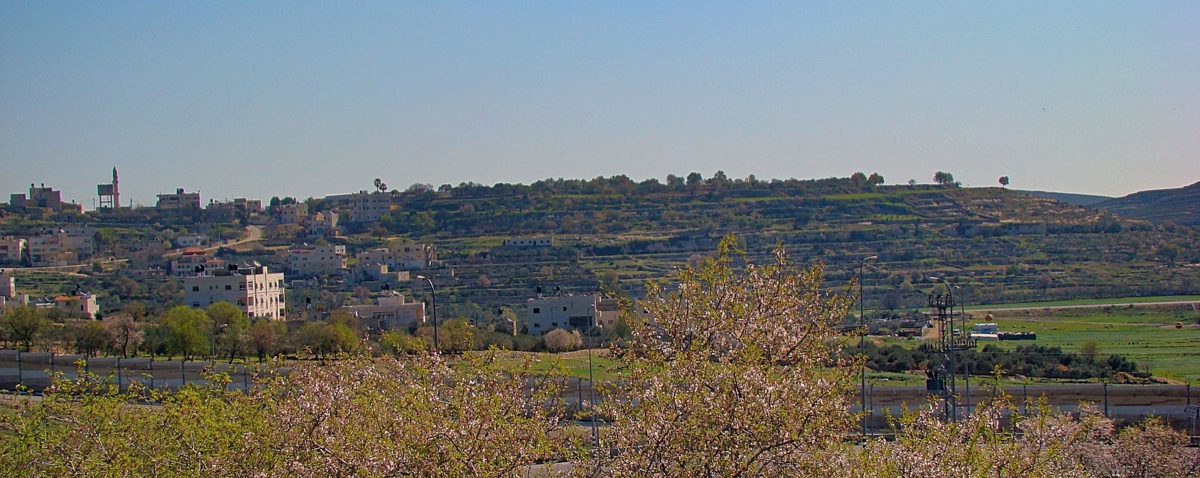
Synopsis: More than one site located on today’s West Bank has been proposed for Bethel. This article will summarize in chronological order its biblical history and then briefly note the archaeological contribution, including photos of Beit El from a recent trip.
Most Bible students would probably be surprised to learn that the Old Testament mentions Bethel more than any other site/city except Jerusalem! In this article, we want to present an overview of the significance of Bethel, as well as give consideration for a proposed site.
When Jacob fled from the wrath of Esau for what their mother Rebekah thought would be “a few days” (Gen. 27:43) which turned out to be twenty years—as he headed for family in Haran, about 450 miles distant from Beersheba, he stopped to spend the night. He “took one of the stones of that place and put it at his head, and he lay down in that place to sleep” (Gen. 28:10-11). That night, the LORD revealed himself to Jacob in a dream, and gave unto him those three great promises that had been pledged to Abraham (Gen. 12:1-7) and Isaac (Gen. 26:3-4). These were the promises of a great nation (Israel), the land of Canaan, and the Seed promise (Messianic).
Then Jacob awoke from his sleep and said, “Surely the LORD is in this place, and I did not know it.” And he was afraid and said, “How awesome is this place! This is none other than the house of God, and this is the gate of heaven!” Then Jacob rose early in the morning, and took the stone that he had put at his head, set it up as a pillar, and poured oil on top of it. And he called the name of that place Bethel; but the name of that city had been Luz previously (Gen. 28:16-19).
After the passing of those twenty years (as cited above), God told Jacob to leave Haran and return to Bethel. Jacob obeyed, erecting a pillar there, on which he poured a drink offering (Gen. 31:13; 35:1-15). While there, Deborah (Rebekah’s nurse) died (Gen. 35:8), and after leaving, Rachel died as they approached Bethlehem (35:16-20).
Following the Conquest of Canaan led by Joshua, Bethel was allotted to the tribe of Benjamin (Josh. 18:21-22).
When Deborah judged Israel, she sat under a palm tree between Ramah and Bethel; the sons of Israel would come to her for judgment (Judg. 4:4-5). Likewise, in that period, Samuel “used to go annually on circuit to Bethel and Gilgal and Mizpah, and he judged Israel in all these places” (1 Sam. 7:15-16).
Following Solomon’s death (931 BC), the kingdom divided. In the northern kingdom of Israel, Bethel would tragically become a location infamous for its idolatry. As a faithless act to retain his kingly power, Jeroboam placed golden calves at Dan (on the northern border) and Bethel (on the southern border). When these golden calves were set up, Jeroboam said, “Behold your gods, O Israel, who brought you up out of the land of Egypt” (1 Kings 12:28). The selection of these two sites was intentional, both sacred places (re: Dan, see Judg. 18:31), and located at the southern and northern borders of Israel. “The sins of Jeroboam son of Nebat” would repeatedly be condemned by the prophets for the 200 years of Israel’s history until its end (2 Kings 17:21-23; cf. Jer. 48:13; Hos. 10:15; Amos 3:14).
In his godly reformations, good king Josiah demolished the shrine of Bethel (2 Kings 17:27-29).
Some of the remnant that returned from Babylonian Captivity settled in Bethel (Ezra 2:28; Neh. 11:31).
Albright followed Robinson in identifying Bethel with the Arab village of Beitin, excavating there in 1934. Subsequent excavations were done by Kelso (1954, 1957, and 1960). See accompanying photo of Beitin.
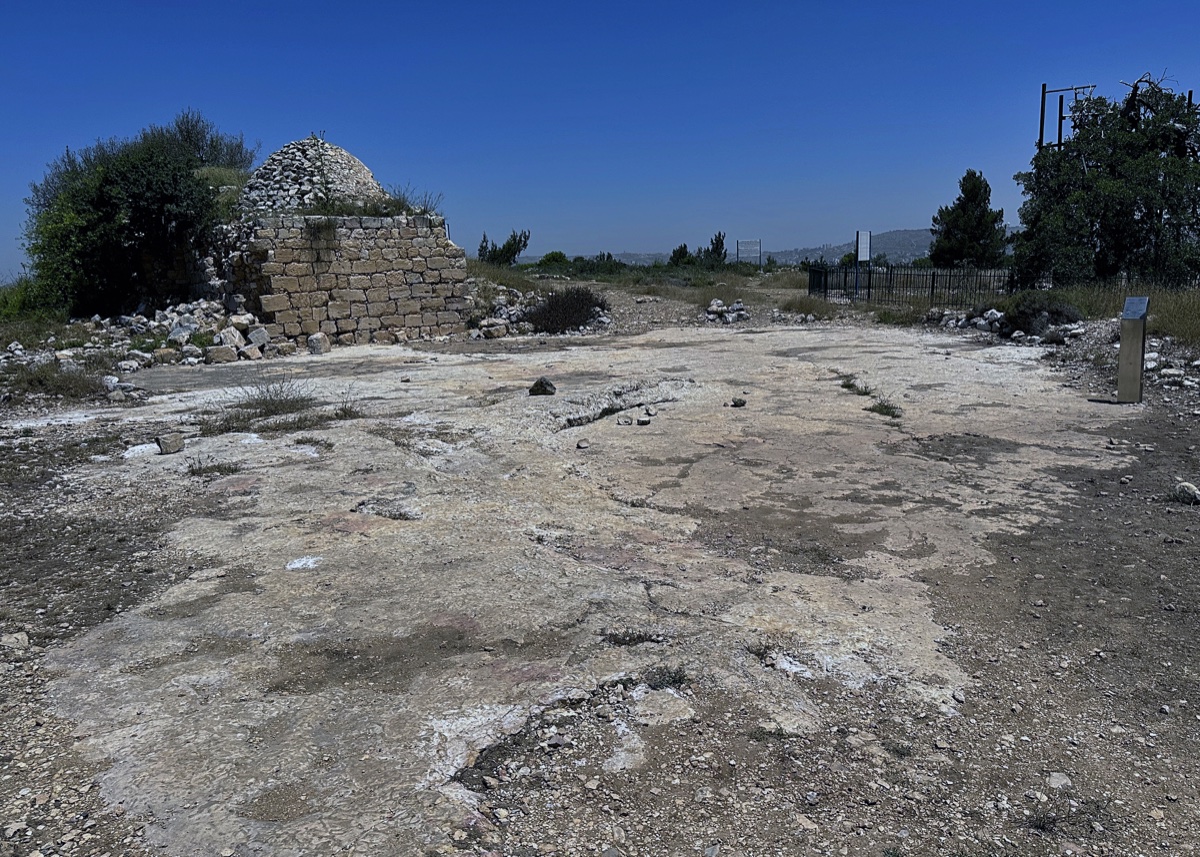
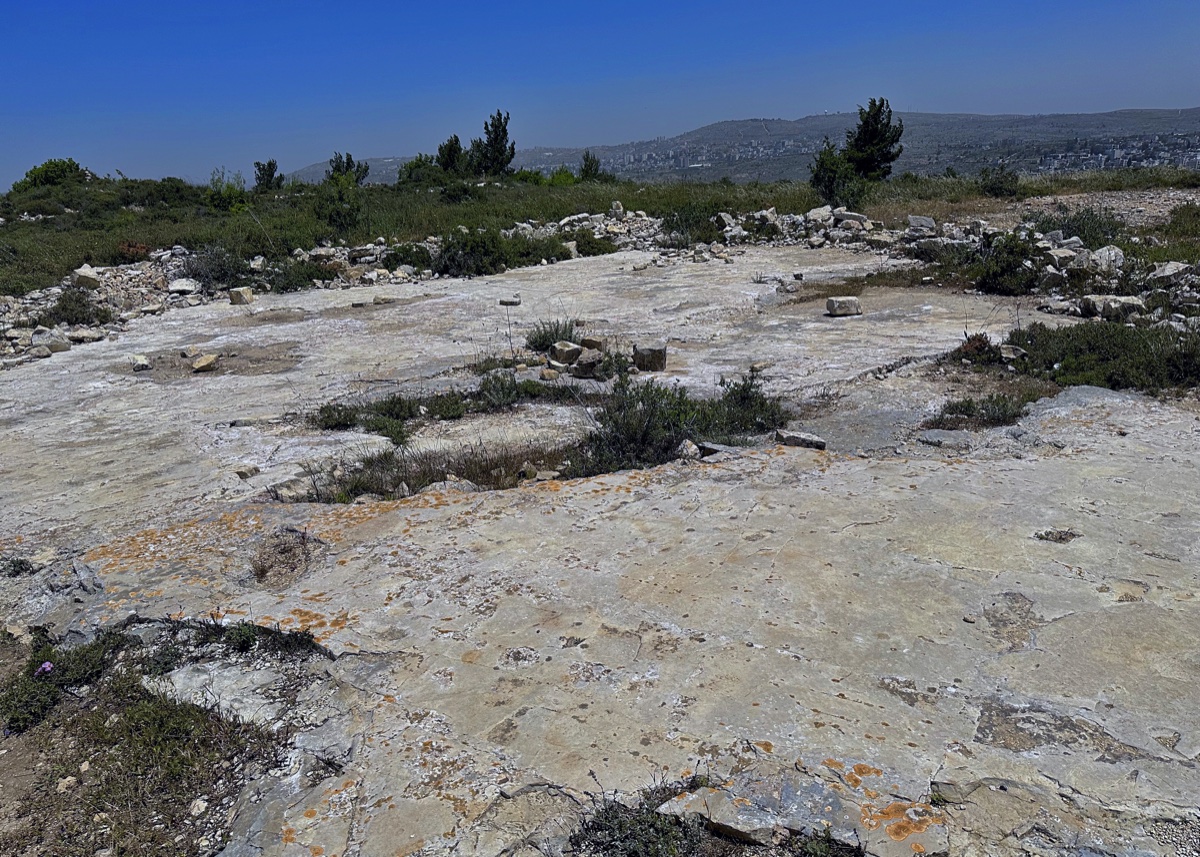
Some scholars, such as Dr. David Livingston, take issue (See Sources). Others, such as Zev Vinay (Israeli geographer and author, 1900-1988) have suggested a site three k/m north of Beitin, known as Beit El. I was able to include this site on our tour itinerary for May 2023. (It is located in the West Bank and visited by very few tourists.) Here we show photos of a proposed site of Jacob’s dream, as well as Jeroboam’s shrine/altar area.
Livingston, David. “Further Considerations on the Location of Bethel at Elbireh.” Associates for Biblical Research. https://biblearchaeology.org/research/founders-corner/3572-further-considerations-on-the-location-of-bethel-at-elbireh
By Chris Reeves
Synopsis: In years past, Christians did “extra” spiritual activities outside the church assembly, but it seems like there are fewer who participate in those activities today. What can we be doing to increase our personal spiritual growth in the Lord?
When I was a much younger Christian, I remember seeing Christian families engaged in “extra” spiritual activities. They would regularly do things outside the assembly like attend gospel meetings, singings, home Bible studies, hospital visits, and see to the shut-ins. My parents would take us to do the same things.
However, today many brethren don’t take time to do those things anymore. I have seen this trend even before Covid came around. So many brethren today are consumed with their work, schooling, daily affairs, their phones, hobbies, etc., that they have little to no time left for these activities.
Doing “extra” activities like those mentioned above is so important to our spiritual growth. We hear sermons and lessons all the time about growth, but are we really growing in the sense of adding more activities to our routine? Are we really doing more than the church service?
We know about important New Testament Scriptures on growth like Mark 4:8, 2 Corinthians 10:15, Ephesians 2:21 and 4:15, 2 Thessalonians 1:3, 1 Peter 2:2, and 2 Peter 3:18. However, are we really bearing more fruit? Is our faith really growing? Are we really more unified with our brethren, and do we really know more of God’s word?
If I had a chance to mentor my brethren on personal growth, I would exhort them to do more than merely attend the regular assembly. The regular assembly is so important, but we can do much more to be better Christians.
Recently, when I was walking for exercise with my son, he asked me if I had heard about FITT. The acronym FITT stands for Frequency, Intensity, Time, and Type. It is used in the fitness and exercise world to encourage growth (See www.physio-pedia.com/FITT_Principle).
If I walk two times a week, it would be good if I could increase the frequency to three to five times a week. If I am walking slowly, it would be good if I could increase the intensity to walk at a faster pace. If I am walking for 10 minutes, it would be good if I could increase the time to 25-30 minutes. If my exercise is walking only, it would be good if I could change the type of exercise to include other activities like jogging, biking, hiking, swimming, etc. The whole point of FITT is to bring about genuine growth in your health and fitness routine. Then you will truly get the results that you want.
This popular FITT principle is good not only for physical activities but also for spiritual activities as well. For example, if I am praying just three times a day at meals, I could increase the frequency of my prayers to five times a day or more. If I am praying briefly for my food, I could increase the intensity of my prayers to include things like intercession for others, praising God, confessing sin, or offering thanksgiving. If I am praying for less than a minute, I could increase the time I pray to several minutes or longer. Lastly, if I am praying only, I could change the type of activity to include other things like daily Bible reading, meditation upon God’s word, memorizing Scripture, singing spiritual songs, reading religious material like Truth Magazine, etc.
So, what can we do to increase our personal spiritual growth?
When we attend a gospel meeting, we encourage the brethren who are hosting the meeting and we encourage the preacher who is speaking. We also hear a different speaking style and approach to God’s word that may help us learn something we did not know.
When we attend a singing and hear spiritual songs for an hour, we are made to think about spiritual things and the singing stirs emotions in us to greater faithfulness. It also gives us an opportunity to praise God. Newer songs that are being sung today have messages that are fresh and encouraging. An hour of singing can be much better than an hour on our phone or watching TV.
When we visit the sick, the shut-ins, or the visitors, we show a personal interest that makes them feel appreciated. We are social beings, and personal contact, when possible, is always better than impersonal contact. I know of Christians who placed membership with a particular church specifically because they were visited by other members of that church.
When we attend a funeral, we not only encourage those who are mourning, but we are reminded of our own frailty, humanity, and mortality. We are reminded of the really important things in life. I would like to see more parents taking their children to funerals. It would be good for them to see and hear what goes on. Let them see the body of the deceased and ask questions. The last funeral I attended just before writing this article, I saw just three young people in a crowd of about sixty attendees and they were related to the family of the deceased.
When we set up or attend a home Bible study, we have an opportunity for extra study of God’s word, and we can be a part of a more informal setting that might just promote more interaction and learning.
When we volunteer once a week to go through a new convert course of lessons, we will give a new convert that important attention that he needs after his conversion. Our time with that person will show that he is special and truly welcomed into the Lord’s family. The time in his home will also encourage him to ask questions he did not get to ask before his baptism.
When we volunteer to teach a Bible class at the church building, we help other teachers who need a break from teaching; we learn so much more when we teach than when we are just a student; we give the students someone different to learn from and that is important for them to hear different teaching styles and personalities. It also provides a great opportunity for us to influence the children with God’s word.
When we sign the duty roster at the building, we make a personal investment in the work that needs to be done to keep the local church functioning. We have “skin in the game,” so to speak. I would like to see more parents bringing their children to take part in “work days.” The young people need to learn the value of work and what it takes to keep the local church going. If they do not learn this early on, they may not be interested in the Lord’s work later in life.
When we read our Bible daily, we get more spiritually minded. I don’t mean reading to get our Bible class lesson, although that is important. I mean reading daily for personal devotion and learning. When we regularly read the Scriptures, the thoughts of God are on our mind all day and they give us something positive to think about while we work and go about our activities.
There are other activities like these that help us grow. There are things like young men’s training to lead in the worship; praying different prayers instead of the same prayer; reading different scriptures each week for the Lord’s supper instead of the same Scripture; and sermon note-taking.
Knowing that we need to grow, let us push ourselves to increase our activities for the Lord. Can we increase in our teaching and study of God’s word (Acts 6:7)? Can we increase our spiritual strength (Acts 9:22)? Can we increase our faith and numbers (Luke 17:5; Acts 16:5)? Can we increase the fruits of our righteousness (2 Cor. 9:10; Phil. 4:17)? Can we increase our love for each other (1 Thess. 3:12)? Can we increase the building up of the body (Eph. 4:16)? Can we increase with the “increase of God” (Col. 2:19)? Yes, we surely can. Brethren, it’s time to be more FITT!
“FITT Principle.” Physiopedia 2023. https://www.physio-pedia.com/FITT_Principle.

By Lindy Stevens
Synopsis: On a recent trip to Nicaragua, I learned from the brethren what it really means to lay up treasures in heaven.
This January, my father and I had the amazing opportunity to travel to Nicaragua to visit Christians there. It was a wonderful experience that opened my eyes—reminding me of how comfortable we are in the U.S., and helping to change my perspective on earthly wealth.
Nicaragua is one of five countries that make up Central America, and the way we got connected with brethren there was through Jason Stannard, a brother from the Lindale church of Christ. He had travelled there twice in past years. When he announced that he was planning another trip to Nicaragua in January, my father and I knew that this would be an experience we would not want to miss.
After our long day of travel on January 6, brother Jason, brother Statlyr (also from the Lindale church), Daddy, and I landed at the airport in Managua, the capital of Nicaragua. When we arrived, brother Edwin Palma and sister Evling and their kids, Eylin (19), and Edwin Jr. (Gabriel) (12), welcomed us with big hugs and lots of laughs. Brother Edwin Palma is a preacher at one of the churches in Managua. He has been close friends with brother Jason ever since Jason’s first trip there. That evening, we visited the Goshen church, just outside Managua, and ate supper with the brethren. Then Daddy and I stayed the night at Edwin’s mother’s house.
The next morning, we woke up early to begin the five-hour drive to Siuna. When we arrived, we had a short worship service with the brethren there, then we stayed the night with a family from the congregation. On Sunday morning, we worshipped again with the Siuna church, but before worship services, I had my first experience teaching a children’s Bible class in Spanish. My grandmother, who has been my Spanish teacher since I started homeschooling, made flash cards for me so that I could remember what to say for my lesson. Eylin had learned English in school, so she was able to translate for me when I needed help. I know I could not have taught the Bible class without her.
During our time in Siuna, we also had the opportunity to visit some brethren who had fallen away from the faith and encourage them to return to the Lord. We also gave money to some brethren who were struggling financially.
Over the next few days, we travelled to two or three churches every day within about a two-hour radius of Siuna. At many of the churches, Eylin and I were able to teach the children’s Bible class and give them a Spanish children’s Bible. During those few days of travelling to churches near Siuna, I celebrated my seventeenth birthday, and the family from the Siuna church that we were staying with made me a cake! It was a birthday I know I will never forget.
The next big part of our trip was travelling to Pajaratim. Pajaratim is up in the green mountains, far away from cities and paved roads. Brother Nelson, who is the preacher for the church in Pajaratim, had travelled around with us while we were staying in Siuna, and he led us on the trip to his family’s farm. Because of its location, there is no road to Pajaratim, so to get there, we had to ride mules and little mountain horses. The ride was about two hours long—taking us through mud, up steep hills, and across a river. When we arrived at brother Nelson’s house, we were sweaty and tired, but the view of the green mountain landscape was breathtaking.
In the bigger cities like Managua, people have a few more household comforts than do people in the country. Yet, even in the cities, no one has air conditioning or washers and dryers. They also do not have indoor plumbing in the country, so they collect rainwater for drinking and washing and use outhouses. Yet even with so few physical comforts out in the country, we were provided with large, delicious meals every day cooked, over a wood-burning cook setup.
That evening, we worshipped with the little church in Pajaratim, which mostly consisted of brother Nelson’s relatives who lived nearby. Eylin and I were also able to teach the children’s Bible class there. After services, we ate supper with brother Nelson’s family and all of his relatives from the church. Visiting Pajaratim was probably my favorite part of the trip.
In the morning, we rode back down the mountain and began driving back to Managua for the last few days before returning home. That evening we worshipped at the Alta Gracia church, where brother Edwin preaches, and then ate supper with some brethren. The next morning, we did a few tourist activities by visiting a nearby volcano and shopping in a couple of the markets for souvenirs. It almost felt strange to be doing tourist activities after growing so comfortable being in Nicaragua.
The next day, we went to a large grocery store to buy a lot of food that we would give to some struggling Christian families over the next couple of days. That afternoon we ate lunch with a lady who worships at Alta Gracia. We gave her some of the food we had bought to help support her family. In the evening, we visited a very sick Christian sister to encourage her—giving her some money and food as well. After that, we worshipped with the Pelota congregation, near the sick sister’s house, and ate supper with them.
On Sunday morning, we worshipped at Alta Gracia, and Eylin and I taught the children’s Bible class. Then we ate lunch with the Alta Gracia brethren before leaving to drive a couple of hours to the Puerto Sandino congregation near the coast. Eylin and I taught the children’s class for the last time at the Puerto Sandino congregation. We shared supper with the brethren there.
The next morning was one of mixed feelings. I was excited to be going home to see my family, but I had also grown very close to Eylin, and it was hard to say goodbye. On the flight home, I reflected on my experiences throughout the previous ten days. We had visited twelve congregations, and at seven of them, Eylin and I taught the children’s Bible class. We visited brethren who had fallen away and offered support to Christian families who were struggling financially. Looking back on everything I had seen and experienced, what stuck out to me the most was how selflessly giving the brethren in Nicaragua are.
In Nicaragua, no one has all the physical comforts in their lives like we have in the United States. Yet, despite having fewer physical comforts, the brethren in Nicaragua simply want to share their blessings with others. Everywhere we went, we were always well fed by brothers and sisters who opened up their homes and their kitchens to us. No one clung to the things they possessed. They held their blessings with open hands, ready to give them back to God by sharing them with others.
They know what it means to lay up treasures where moth and rust never destroy, and where thieves cannot break in and steal. Their greatest treasures are the bonds they have with their brothers and sisters in Christ. They know that their physical needs will be met by God, and that everything they have belongs to Him.
But lay up for yourselves treasures in heaven, where neither moth nor rust destroys and where thieves do not break in and steal. For where your treasure is, there your heart will be also (Matt. 6:20-21).
We are so physically blessed here in the United States, but we ought to have the same attitude as our brothers and sisters in Nicaragua. God has blessed us greatly so that we can use what we have to bless others. Let’s all strive to hold our blessings with open hands.


By Jim Deason
Synopsis: Will we build upon the solid foundation of Jesus Christ, or will we (like those who shouted, “Let Him be crucified!”) reject the Chief Corner Stone? Let us, therefore, repent and return, so that our sins may be wiped away, in order that times of refreshing may come from the presence of the Lord (Acts 3:19).
Foundations are important. So important, in fact, that no building can remain structurally sound without a good one. Without a solid foundation, the elements of nature will cause the building to crumble and fall. Most likely, all who read these words are well acquainted with Jesus’s use of this illustration in Matthew 7:24-27. We sing of this principle in the lyrics composed by Edward Mote (1834), “On Christ the solid Rock, I stand, all other ground is sinking sand.”
That being said, a foundation alone does not a building make. A builder, when he lays a foundation, intends for more to be built. It is only a foundation, after all, and most folks do not live in the foundation of a building.
Likewise, a solid spiritual foundation is important to a healthy spiritual life and a Christlike character. Believing in God, Jesus as the Son of God, the Bible as the word of God, the one true church of God, the necessity of obedience and worship, the goal of a Christlike character, and such like, are all foundational principles of a life with God.
Nevertheless, there is always a need to remember Peter’s words:
I am writing to you. . . stirring up your sincere mind by way of reminder, that you should remember the words spoken beforehand by the holy prophets and the commandment of the Lord and Savior spoken by your apostles (2 Pet. 3:1-2).
One of these foundational elements is “. . .repentance from dead works. . .” (Heb. 6:1), which is the topic of this article.
The original recipients of the book of Hebrews had evidently been Christians long enough and should have spiritually matured enough, that they should be teachers of the word (Heb. 5:12). For whatever reason, that had not happened. Unable to “chew” on solid food, like an infant child, they needed nourishment that could come only from milk. It was the intention of the writer of Hebrews to move his readers beyond their “consumption” status to the point they were replicating themselves through teaching.
His readers needed to “press on to maturity, not laying again a foundation of repentance from dead works. . .” (Heb. 6:1). Just what is it that the author was asking his readers to do?
Repentance may be the hardest of all of God’s commands to obey. Why? Because it goes against every carnal grain there is within us. Yet, every serious student of God’s word should be impressed with the importance of this great theme as it is addressed in the Scriptures.
The necessity of repentance was constantly on the lips of Old Testament prophets (Jer. 26:12-13; 35:15; Hos. 14:1-3). The New Testament opens with John the Baptist preaching from the wilderness of Judea, “Repent, for the kingdom of heaven is at hand” (Matt. 3:2). Jesus’s message was identical to that of John (cf. Matt 4:17). When Jesus commissioned the apostles to take the gospel to the world, He decreed, “that repentance for forgiveness of sins would be proclaimed in His name to all the nations” (Luke 24:47). Before Agrippa, Paul explained that his mission was to declare that all men “should repent and turn to God, performing deeds appropriate to repentance” (Acts 26:20). This is but a small sampling of all that the Bible teaches on this subject.
“Repent” comes from the Greek word metanoeo that, according to the Bible Sense Lexicon, means “to have a change of self (heart and mind) that abandons former dispositions and results in a new self, new behavior, and regret over former behavior and dispositions” (LRLGNT, cf. Acts 26:20). Bauer says simply that the word means “(1) to change one’s mind, then (2) feel remorse, repent, be converted” (BDAG, 640).
This change of mind is the essence, the very nature, of repentance. Without belaboring the point, I maintain that being “born of the Spirit” in John 3:5 refers to the human spirit as opposed to the Holy Spirit. Two things are necessary to be born again: (1) Outside action, i.e. baptism or being “born of water” for the remission of sins (John 3:3-5; Acts 2:38). (2) An inside change or rebirth of the spirit. This is what Paul was talking about when he commanded the Romans to “be transformed by the renewing of your mind” (Rom. 12:2). In writing to the Colossians Paul instructed them to be “renewed in the spirit of your mind” which leads to putting on the “new self, which in the likeness of God has been created in righteousness and holiness of the truth” (Eph. 4:23-24; cf. Col. 3:10; 2 Cor. 5:17).
Without this mind or heart change, one simply cannot be a disciple of Jesus. Why? Because wherever the mind goes, our actions are certain to follow (Matt. 15:18-20; Mark 7:20-23). The things that we value govern our hearts (Matt. 6:21), and our hearts govern whether we obey God.
Paul told the Colossians to “set your mind on the things above, not on the things that are on the earth” (Col. 3:5). Again, this is the essence of repentance. It is a decision that we make regarding the direction of our lives. We are turning from the world of sin and evil (i.e., “dead works”) to a life of service to God. Once that foundational decision is made, we are not to look back but “press on to maturity” (Heb. 6:1).
With that description of repentance before us it needs to be said that, contrary to some, repentance is not some mysterious gift that a sinner prays for and receives from God as a direct operation of the Holy Spirit. God commands men to repent (Acts 2:38; 3:19; 17:30-31). Jesus condemned men for their impenitence (Matt. 11:20-24; 12:41-42). Repentance occurs in the heart of man. As someone once said, “God does not repent for us and He will not do it to us. It is a choice you make.”
Contrition is vitally important and absolutely essential to true repentance. There can be no true repentance when there is no sorrow for sin (cf. Psa. 34:18; 51:16-17). Still, the apostle Paul distinguished between being sorry for sin and the actual repentance of sin (2 Cor. 7:8-9). Sorrow leads to repentance, but it is not repentance. Sorrow is the cause, repentance is the effect.
Confession of sin to God and, at times, to man, is absolutely necessary (Prov. 28:13; Jas. 5:16; 1 John 1:9). Nevertheless, confession is one thing and repentance is another. To say “I have sinned” is not necessarily the same thing as saying “I have repented” or even “I am sorry.” One can acknowledge his sins and yet never repent (cf. 1 Sam. 26:21, 25; 27:1; Matt. 27:3-7). Thus, repentance is not merely acknowledging your sins to God or other people, because you can confess your sins and still never change your heart.
Correcting our sins, changing our lifestyle, is necessary for the sinner to come to God. Without such reformation, there is no genuine repentance and there can be no subsequent cleansing. A sinner who truly repents cannot continue in sin (Rom. 6:1-2, 6, 11-14). Reformation of life is the fruit of repentance, but not repentance itself (Matt. 3:8; Acts 26:20). Genuine repentance will always result in a change of how we conduct ourselves (2 Cor. 7:10-11; Rev. 9:20-21), but repentance should be understood as a cause with reformation of life being the effect (Matt. 21:28-30; Acts 3:19; Rev. 2:5). People can change how they live, and that change generally even be for the better, without sincere repentance (cf. Jer. 3:8-10).
Sin is a heart problem, and repentance involves a change of heart. Repentance is the resolution to turn from self and sin to God and goodness (Isa. 55:7). It is the determination to become a servant of righteousness rather than a servant of sin (Rom. 6:17-18). It is a change of attitude that leads to a change of action (Ezek. 18:30). We must stop loving our sin and start hating our sin (Ps. 97:10; Prov. 8:13).
Have you ever said, or heard someone say, something like, “Well, I don’t understand why Joe doesn’t become a Christian; all he would have to do is to be baptized”? We ought never to say or feel such. A sinner, no matter how “good” he is, is not good enough and he must repent. He is not ready to be baptized until there has been a genuine change of heart (note that the word order of Acts 2:38 is there for a reason!). I fear that down through the years, we’ve buried people who were not yet fully dead to sin. This may be why there are so many weak, worldly, and wayward “Christians” among us.
“Therefore let all the house of Israel know for certain that God has made Him both Lord and Christ—this Jesus whom you crucified.” Now when they heard this, they were pierced to the heart, and said to Peter and the rest of the apostles, “Brethren, what shall we do?” Peter said to them, “Repent, and each of you be baptized in the name of Jesus Christ for the forgiveness of your sins; and you will receive the gift of the Holy Spirit” (Acts 2:36-38).
With “a foundation of repentance from dead works” in our rearview mirror, only then can we “press on to maturity” (Heb. 6:1). Repentance is one of the most significant decisions of your life and, if you need to repent, the Father waits with open arms to receive you.
Arndt, William, et al. A Greek-English Lexicon of the New Testament and Other Early Christian Literature (BDAG). Chicago, IL: University of Chicago Press, 2000.
Brannan, Rick, ed., Lexham Research Lexicon of the Greek New Testament (LRLGNT). Bellingham, WA: Lexham Press, 2020.


By Stephen Russell
Synopsis: While most religious writers agree that faith is fundamental to our relationship with Christ, we do not all agree on what faith is. In this article, we attempt to set aside misconceptions and set forth the biblical meaning of faith.
Therefore leaving the elementary teaching about the Christ, let us press on to maturity, not laying again a foundation of repentance from dead works and of faith toward God, of teaching about washings and laying on of hands, and the resurrection of the dead and eternal judgment (Heb. 6:1-2).
Our task here is to discuss the second of six elementary subjects considered foundational by the Hebrew writer. There is a sad irony that in the “milk” laid out in these two verses, we find an array of false teaching which has produced shaky foundations for many professing Christians. Far from being the given these elements ought to be, we find they need addressing. We live in a generation which ought to be teachers but still require instruction in the basics. We can do much damage when we assume the foundation has been laid soundly and build on bad assumptions.
Regarding faith, we find great chasms of disagreement throughout the pulpits and pages of religious expositors. Before exploring these conflicts, let us highlight at least one area of agreement: it is almost universally agreed that faith is the foundation of our relationship with God. We all read Romans 4 and agree that Abraham was credited with righteousness through faith, not through circumcision or keeping the Law of Moses. The issue has never been whether faith is necessary for a right relationship with God; rather, the conflict has always been what is meant by faith.
The word “faith,” like many religious words, has collected a great deal of detritus over the centuries. It is dangerous to assume we all mean the same thing when using this word. Too many false notions are floating around, and we often end up having conversations using the same words but with very different definitions. This leads to great confusion and frustration. Therefore, let us begin by defining faith by setting aside some faulty ideas.
Faith is not mere mental assent to an idea, for even the demons believe (Jas. 2:19). It is not contrary to works and, in fact, is dead without works (Jas. 2:25). Faith is not a blind leap made without evidence. This is the sort of faith Satan tempted Jesus to display. Jesus rebuked the tempter and showed this was not faith but irreverent testing of God (Matt. 4:5-7). Similarly, faith is not shallow optimism. Too often, people will mask laziness and folly with an appeal to this sort of “faith.” They may even quote Romans 8:28 to suggest that God will work out their bad choices for good. For example, while Jesus teaches that we should pray for our daily bread, Paul says the man who does not work, does not eat (Matt. 6:11; 2 Thess. 3:10). Faith asks and then goes to work.
More could be said about what faith is not, but such a list suffices to show that many ideas about faith simply contradict how Scripture uses the word. Having set aside these erroneous notions, let us establish the affirmative idea of faith.
As with so many aspects of our character, we do best by looking to God for the ideal picture. We rarely think of God as having faith; perhaps because we too often truncate the meaning of faith to mere belief. However, the word faith is often applied to God.
Consider Romans 3:3. Paul, speaking of the Jews and God, asks, “What then? If some did not believe, does their unbelief abolish the faithfulness of God?” The same Greek word appears three times in this verse but is translated “belief” twice. The ESV gives a more consistent rendering: “What if some were unfaithful? Does their faithlessness nullify the faithfulness of God?” The English word “faithful” here is much different from the word “belief,” but the Greek word is the same throughout. I believe this exposes a bias of translators to think of faith from humans as primarily belief and of faith from God as primarily faithfulness. However, what if our faith is supposed to reflect His faith? What if His calling us to faith toward Him is actually a call to reflect His faithfulness toward us? We are to be faithful just as He is faithful, like we are supposed to be holy just as He is holy.
Paul wrote to Timothy, “It is a trustworthy saying and deserving full acceptance: that Christ Jesus came into the world to save sinners, among whom I am foremost” (1 Tim. 1:15). The word “trustworthy” is a form of the Greek word for faith. This usage is more about our thoughts concerning these words rather than the word exuding this quality. Notice it is not belief that is suggested by our English translations. Rather, we are able to have faith in these words, that is, to depend on them and trust them. None of this excludes the idea of belief from our notions of faith, yet belief does not encompass the breadth of this word’s meaning.
Among the definitions listed in a standard English dictionary, one finds (usually tucked away down the list of definitions) the ideas of fidelity, loyalty, and allegiance. In Salvation by Allegiance Alone, Matthew Bates strives to demonstrate that while this is the less common usage today, it was the most common usage in the first century (and those prior to it).
There are several instances of the Greek word pistis in the books of the Apocrypha. For the sake of space, we limit ourselves to one example, but I encourage the reader to explore further. All during the time of the history recorded by the books of Maccabees, there was continuous political turmoil within Judea and with the powers that vied for control of the territory. During one such occasion of upheaval in the second century BC, a man named Demetrius was trying to establish himself in power. He wanted to be certain of the support of Jonathan, who was a leader of the Jews at the time. Demetrius wrote a letter to Jonathan which said:
. . .So he sent a message to them in the following words: “King Demetrius to the nation of the Jews, greetings. Since you have kept your agreement with us and have continued your friendship with us, and have not sided with our enemies, we have heard of it and rejoiced. Now continue still to keep faith with us, and we will repay you with good for what you do for us. We will grant you many immunities and give you gifts” (1 Macc. 10:25-28).
As you see the word faith in that context, it is clear that loyalty and allegiance are what Demetrius had in mind, and belief hardly enters into it. The only way belief could even conceivably be used there is in the sense of trust.
In his autobiography, Josephus recounts an occasion where he caught a rebel leader in a plot to rob him and his party. After subduing the man, Josephus offered forgiveness if the man would “repent of it, and be faithful to me hereafter” (The Life). This is very similar to the wording of Jesus in Mark 1:15, which says, “The time is fulfilled, and the kingdom of God is at hand; repent and believe in the gospel.” Could it be that Jesus is calling for the same thing as Josephus? Josephus was not calling for the rebel to believe in his existence; rather, he wanted the man’s loyalty. Likewise, Jesus calls us to repent of (turn away from) our loyalty to self and sin and give faith (loyalty) to Him and His kingdom (the gospel).
This brings us back to our text. The Hebrew writer points to the foundation, beginning with repentance and faith toward God (6:1). That is faithfulness to the one who has been faithful to us. We can still find this fuller notion of faith today if we look hard enough. The oath sworn by naturalized citizens of the United States begins with these words, “I hereby declare, on oath, that I absolutely and entirely renounce and abjure all allegiance and fidelity to any foreign prince, potentate, state, or sovereignty, of whom or which I have heretofore been a subject or citizen; that I will support and defend the Constitution and laws of the United States of America against all enemies, foreign and domestic; that I will bear true faith and allegiance to the same.” Men and women from around the world proclaim those words to the USA because they believe it is a blessing to be a part of this country. How much more should Christians proclaim true faith and allegiance to the God who “is” and “is a rewarder of those diligently seek Him.”


By Marc W. Gibson
Synopsis: The washing that sinners receive today is the one baptism that is commanded in the name of Jesus Christ and is a significant part of the elementary teaching of the gospel. We must continue to teach its essential place in God’s plan of salvation today.
“Therefore, leaving the elementary teaching about the Christ, let us press on to maturity. . . .” Thus begins the sixth chapter of the epistle to the Hebrews (NASV) and the text of the theme of Laying a Solid Foundation. Laying a solid, scriptural foundation is critical to faithfully serving God in a world given over to immorality and human philosophies. Of the six aspects of the “elementary” teaching about the Christ that are listed by the writer, the “instruction about washings” is the topic of this article.
The introductory “therefore” hearkens us back to what was said in the final verses of chapter 5, where the writer chastises his brethren who have not progressed in their growth beyond the “elementary principles” of God’s word—thus needing milk and not being able to consume solid food (vv. 12-13).
Failing to move on from spiritual infancy to maturity, these Christians are admonished to “leave” the elementary teaching and “press on” (6:1). All Christians would do well to hear and heed this admonition today. Our spiritual faith must not remain in infancy indefinitely, but we must “grow in the grace and knowledge of our Lord and Savior Jesus Christ” (2 Pet. 3:18).
The phrase used by the author is baptismon didachen and is translated “instruction about washings [baptisms, ablutions].” Baptismon is a general plural noun and not the more common specific word baptisma that is transliterated “baptism” in the New Testament, meaning to immerse, dip, or submerge.
Baptismon is also used in Hebrews 9:10 about the various washings found in the Mosaic covenant, as well as in Mark 7:4 about the washings of various items practiced by the Pharisees and all the Jews (v. 3). Interestingly, it can be found in several manuscripts of Colossians 2:12, which is an indisputable reference to New Testament baptism.
The word didachen is the usual word for teaching, doctrine, instruction. It is used here to indicate that these washings were known and practiced under specific teaching and instruction. This instruction originated with God and, as we will see, would include such basic matters as the difference between various baptisms (cf. Acts 19:1-5), along with the purpose and meaning of the “one baptism” (Eph. 4:5; Acts 2:38).
This matter of washings was one of six aspects of elementary teaching that the Hebrew Christians were to leave to press on to “maturity” (6:1). This elementary teaching formed a foundation of knowledge and obedience that would propel them forward to greater knowledge and service in Christ.
It is important to note that these six items are said to be elementary teaching “about the Christ,” not teaching about Abraham, Moses, David, or any other person or covenant. This is important in identifying the true nature of these items in general, and the “instruction about washings” in particular.
The pressing on to “maturity,” or perfection, is what a Christian should do after the solid foundation of elementary teaching about Jesus Christ has been laid. This maturity/perfection (Gk. teleiotes) is a theme found elsewhere in the New Testament (Eph. 4:13; Phil. 3:15; Col. 1:28; 1 Cor. 14:20; Heb. 12:23). It is significant that this word is used in Hebrews 5:14 just prior to our text in chapter 6 to describe Christians who are able to partake of “solid food” and have their “senses trained to distinguish between good and evil.” The writer’s desire to give a more detailed explanation about Melchizedek and the priesthood of Christ is frustrated by his recipients’ lack of progress to an expected level of understanding (vv. 9-13). The need to press on to maturity after having laid the foundation of elementary teaching is clearly dealing in this context with the knowledge and application of the gospel/doctrine of Christ.
“Washing” is used in Scripture as a metaphor to describe the grace and power of God to cleanse man from that which afflicts his soul, namely sin. David wrote, “Wash me thoroughly from my guilt, and cleanse me from my sin” (Ps. 51:2; cp. Ezek. 36:25, 33). The seven-time washing by Naaman in the Jordan, from which he emerged cured of his leprosy, is a type of the cleansing that God provides for those afflicted with sin (2 Kgs. 5:1-14). Jesus foreshadowed His own provision of spiritual cleansing and healing by telling the blind man to wash in the pool of Siloam after which his sight was restored (John 9:1-11).
Those today whose souls are afflicted with the cancer of sin must come to God through Christ Jesus to obtain the cure of His cleansing blood. We who are saved can rejoice in “Him who loves us and released (washed NKJV) us from our sins by His blood” (Rev. 1:5). Those who seek first the kingdom of God will turn from sin in obedience to God and be counted among those who are washed, sanctified, and justified in the name of Lord Jesus (1 Cor. 6:9-11).
It is our view that this elementary teaching about washings refers primarily to New Testament baptism as an alien sinner’s initial cleansing and entrance into the body of Christ. Concerning the unique use of the plural word “washings,” some suggest that it refers to the multiplicity of baptisms in the early church. It may also refer to various other baptisms mentioned in the New Testament (i.e., the baptism of John, of fire, of the Holy Spirit) that had their specific part in the coming, establishment, and growth of the Messianic kingdom.
Instruction concerning the nature and need for New Testament baptism would necessarily involve making a clear distinction between “washings” under the Law of Moses, as well as these other baptisms mentioned in the New Testament. The one baptism that is authorized today in the name of Christ does not stand in historical or scriptural isolation—it was preceded and foreshadowed by “washings” in the Mosaic covenant that involved the rites of purification required under that law (Heb. 9:10). When Aaron and his sons were consecrated to service of the Levitical priesthood, they were washed with water (Lev. 8:6). The bronze laver that sat outside the temple was designed and constructed for washings of purification (Exod. 30:17-21). The day of atonement involved washings (Lev. 16:23-28), and purifications were necessary after becoming unclean (15:1-22). These washings ended with the taking away of the Mosaic covenant and establishment of the covenant of Christ (Col. 2:13-17; Heb. 10:9). John the Baptist preached and practiced a baptism of repentance unto remission of sins in anticipation of the coming Messiah and His kingdom (Matt. 3:11; Luke 3:3; Acts 19:4), but it ceased with the coming of Christ and the New Covenant (John 3:30; Acts 19:1-5). The baptism of the Holy Spirit and fire was a promise (Matt. 3:11; Luke 3:16; John 1:33; Acts 1:4-8; 11:16) that were fulfilled in the first century (Acts 2:1-4; 10:44-45; 11:15-17). The “washing” that now remains is the one baptism commanded by God of all men in the name of Jesus Christ for the remission of sins (Eph. 4:5; Acts 2:38).
The power of the present “washing” of purification from sin is found in the shed blood and sacrificial death of Jesus. Our access to this cleansing comes by our being baptized “into His death” (Rom. 6:3). In doing so, we are “buried with Him through baptism into death” so that we may be “raised from the dead” to “walk in newness of life” (v. 4). One cannot be raised to life unless they first die and are buried, thus the necessity of immersion in water unto salvation. Paul reiterated this point when he wrote that we were “buried with Him in baptism, in which you were also raised with Him through faith in the working of God, who raised Him from the dead” (Col. 2:12).
The one baptism, or washing, by which we are cleansed from sin, is water baptism described and exemplified in the New Testament. In obedience to the gospel, we are said to have had our bodies “washed with pure water” (Heb. 10:22). We are saved “by the washing of regeneration and renewing by the Holy Spirit” (Titus 3:5) which is a parallel to an earlier statement of Jesus that “unless someone is born of water and the Spirit, he cannot enter the kingdom of God” (John 3:5). The church, or people of God, is sanctified and cleansed “by the washing of water by the word” (Eph. 5:26). The Ethiopian eunuch was baptized when he and Philip “both went down into the water” and afterward “came up out of the water” (Acts 8:38, 39). Peter exclaimed concerning Cornelius and his company, “Surely no one can refuse the water for these to be baptized. . .” (10:47).
All of what we are saying is summed up in the exhortation of Ananias to Saul of Tarsus: “Now why do you delay? Get up and be baptized, and wash away your sins by calling on His name” (22:16). Water baptism now saves us (1 Pet. 3:21) because it is commanded by God of all alien sinners in the name of Jesus Christ (Acts 2:38). It is a significant part of the foundation of our faith in Jesus and salvation from sin. This is the “instruction about washings” that all men must hear and obey today to be added to the one body, the church of Christ (cf. 1 Cor. 12:13).
The “leaving” of this elementary teaching is not a forgetful disregard of the washing of regeneration and cleansing that we receive when we are baptized into Christ. It is rather a pressing on in building on this foundation. In speaking of the growth that should be evident in a Christian, the apostle Peter warns that if one should lack the qualities of maturity, it is because he is “blind or short-sighted, having forgotten his purification from his former sins” (2 Pet. 1:9). This blindness will cause us to be carried away by error, thus the constant need to “grow in the grace and knowledge of our Lord and Savior Jesus Christ” (3:17-18).
We must not remain babes in “elementary school” where the foundation of our spiritual lives was laid. Besides our present text of Hebrews 5:12-6:2, exhortations abound in the New Testament concerning the need to grow unto spiritual maturity (1 Pet. 2:1-2; 3:18; Eph. 4:14-15; Phil. 1:9; 3:12-14; Col. 1:9-10; 2:6-7; Rom. 5:3-5; John 15:5; Jas. 1:2-4). It is vital to take in the solid food of truth to have our “senses trained to distinguish between good and evil” (Heb. 5:14).
Going on to maturity, we understand that if one sins and seeks God’s forgiveness, the blood of Christ will cleanse the growing Christian from all sin and unrighteousness (1 John 1:7, 9). We must continually draw near to our God who provides the purification that we need from time to time (Jas. 4:8; Rom. 3:23). In this way we can be a cleansed “vessel of honor” prepared for good works in our master’s house (2 Tim. 2:20-21). This wondrous fount of cleansing is a spiritual blessing for all those who continually set their minds on things above and their hope on eternal life (Zech. 13:1; Heb. 9:14).

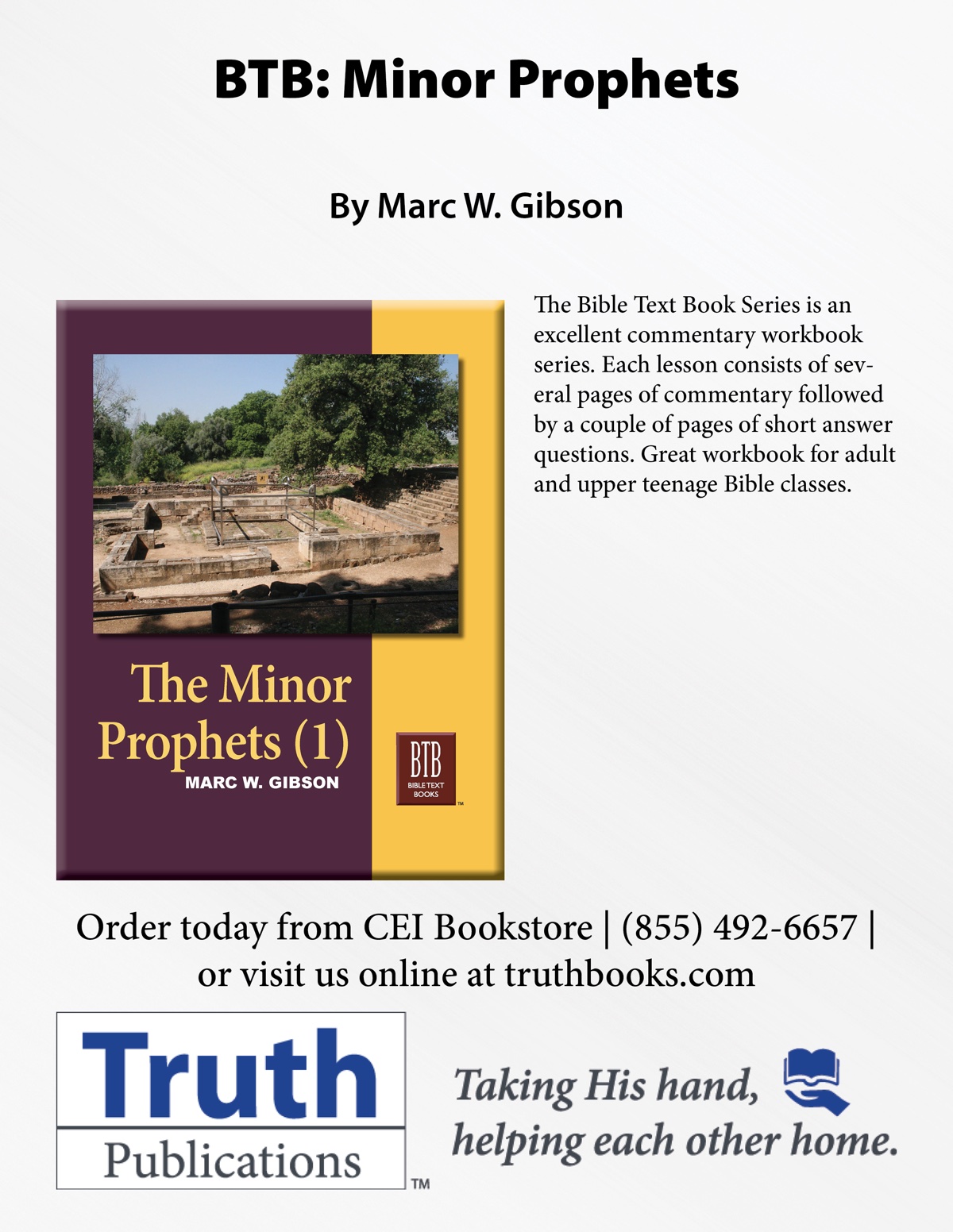
By Marshall McDaniel
Synopsis: Hebrews 6:2 includes “the laying on of hands” among its foundational doctrines of Christ. Understanding of the meaning and significance of this biblical practice helps us to appreciate the priestly and sacrificial role of Jesus and the integrity of our faith and fellowship.
If someone asked a modern Christian to identify the basic teachings of his faith, would he include the laying on of hands? Probably not. Yet, the writer of Hebrews places “the laying on of hands” fourth on his list of first doctrines, just after “repentance,” “faith,” and “washings” (Heb. 6:2, NASB). “The laying on of hands” must, then, possess a degree of significance that we would do well to consider. So, what is “the laying on of hands,” and how does an understanding of it uphold and strengthen the foundations of our faith?
We should first consider the context of Hebrews 6:2. The word “therefore” (dio) in verse 1 links what follows (vv. 1-3) with what precedes (5:11-14). The writer of Hebrews has rebuked his readers for their failure to grow spiritually and, thus, their inability to recognize the significance of Melchizedek’s priesthood. The readers—probably Jewish Christians or perhaps a mixture of Jewish and Gentile converts—should have been building on what they knew about Jesus. Instead, they needed someone to teach them again the “elementary principles of the oracles of God” or the “ABCs” of Christianity (v. 12).
Repentance and faith are, according to the writer of Hebrews, the “foundation,” and washings (or baptisms), the laying on of hands, the resurrection, and the judgment are the accompanying (elementary) “doctrine” (6:1-2). The foundation and the doctrine should have taken on new meaning in view of Christ and so prepared the first-century Christians to understand other, deeper OT-NT connections (e.g., Melchizedek; 5:9-11). The original readers of Hebrews, however, needed to revisit these “elementary principles” if they were going to move forward in their knowledge concerning Jesus Christ. Perhaps we need to do the same.
The ritual of the laying on of hands, though familiar culturally and religiously to its first-century audience, is foreign to most Christians today. It is, however, an ancient, biblical (OT and NT) custom. The expression itself, “the laying on of hands” (epithesis cheirōn), can express positive or negative intent. Regarding the negative, “the laying on of hands” sometimes describes theft, persecution, or murder (e.g., Gen. 37:22; Exod. 22:8; Matt. 26:50; Acts 4:3; cf. Mathis). The writer of Hebrews clearly does not have the negative sense in mind.
The positive use of “the laying of hands” occurs in both Jewish (OT) and Christian (NT) contexts. The OT uses the phrase to describe the blessing of sons (Gen. 48:9-16), the ordaining of men to leadership, particularly to the priesthood (Num. 8:5-11; 27:15-23), and the sacrificing of animals for atonement (Lev. 1:1-9; cf. Bruce, 116-17). The NT adopts and extends the Jewish use of the laying on of hands. The practice accompanies the blessing of children (Matt. 19:13-15), the miracle of healing (Mark 5:22-24, 35-43; Acts 9:10-19), the appointment of leaders (Acts 6:1-6; 13:1-3; 1 Tim. 5:22), and the impartation of spiritual gifts (Acts 8:14-24; 19:1-7; cf. Heb. 2:4). Many commentators assume that “the laying on of hands” in Hebrews 6:2 refers primarily to the giving of the Holy Spirit. Because “the laying on of hands” and “washings” are connected, the author of Hebrews probably wants his readers to see a deeper spiritual intention (6:2; cf. Bruce, 116; Ellingworth, 316; McClister, 209; Thompson, 133).
The context of Hebrews 6:2 implies that “the laying on of hands” is a preview (type) of Christ (antitype). The Levites had to undergo ceremonial washings (baptisms) and the laying on of hands. The priesthood of Christ (and of Christians) fulfills these OT shadows (Heb. 10:1; cf. 8:1-6). Whereas the Levites required the physical laying on of hands, the priesthood of Jesus represented a better “laying on of hands.” William L. Lane contends that “the discrimination. . . between priests appointed by the imposition of hands according to the law, which in its weakness could not achieve perfection of the people of God, and the High Priest [Jesus] appointed by the oath of God and the power of an indestructible life (5:1-6; 7:5, 15-28) demonstrates the relationship between the foundational teaching and the advanced instruction provided in 7:1-10:18” (Lane, 140; cf. p. 139; Harris, 131; McClister, 206-7). Beginning with the OT shadow, we can “see” the NT fulfillment in Christ.
God appointed Jesus as a priest of the New Covenant. He swore it so (Ps. 110:4). He voiced his approval of Christ and confirmed it by sending the Holy Spirit upon Him (Matt. 3:16-17; cf. John 1:32-34). He raised Him from the dead and admitted Him into the true holy place(s) to serve as our High Priest (Heb. 9:11-14, 24-28; cf. Acts 2:29-36). In a sense, then, God “laid His hands on” Jesus, but this “laying on of hands” displaced that of the OT as it only represented the true “laying on of hands,” the divine approval and empowerment of Christ.
Misunderstanding regarding the scriptural intention(s) of “the laying of hands” has resulted in modern distortions or dismissals of the doctrine. The key errors associated with the laying on of hands in modern so-called Christian churches are the ordination of clergy and the (alleged) miraculous healing of the sick. First, both Catholics and (some) Protestants lay hands on new clergy to set men (or women) apart for ministry. The issue is not necessarily the practice itself, but the system that it endorses. For example, the Catholic laying on of hands accompanies the sacrament of Holy Orders. Likewise, the Latter-day Saints (Mormons) lay hands on those whom they ordain to their Aaronic and Melchizedekian priesthoods. These do not accurately represent NT teaching or practice. Second, Pentecostals and Charismatics evidence their misunderstanding of the purpose and duration of miracles when they claim to heal the sick through the laying on of hands. The gift of healing, along with the other miraculous gifts, ceased following the apostolic age (1 Cor. 12:1-13:13; cf. Acts 8:14-24).
For the people of God, a different issue arises. Some Christians may be tempted to overlook or dismiss the doctrine of the laying on of hands as unimportant. They may wonder, “What is the relevance of the laying on of hands if the age of spiritual gifts has passed and the practice has lost its cultural significance?” We must remember that the OT (and NT) practice is a representation of Christian principles. For instance, since the laying on of hands once imparted miraculous spiritual gifts, we can know (through the witness of Scripture) that the gospel is trustworthy (Heb. 2:3-4). Furthermore, since the laying on of hands represented approval or fellowship, we know that God cares about doctrinal and moral purity (1 Tim. 5:22). Though we may never physically lay hands on another, we must guard against harmful associations and influences. We must not, therefore, distort or dismiss the doctrine of the laying on of hands. It fortifies our faith and moves us to grow in our understanding of Christ.
The doctrine of the laying on of hands—along with the other elements in Hebrews 6:1-2—ought to inspire us to grow spiritually. Maturity is clearly the aim of the author of Hebrews (6:3; cf. Harris, 131). How does the laying on of hands move us toward perfection? It prepares us to “see” Jesus. The persecuted saints of the first century needed a fresh vision of the Lord lest they abandon their faith (Heb. 12:1-3). Reexamining the fundamentals of their faith (e.g., the laying on of hands) through the lens of the NT permitted them to see Christ in ways they previously had not. They could see Him when they remembered the ordained priests and the sacrificial animals of the OT or when they saw the working of miracles in the church, and they would appreciate that their faith was legitimate and their faithfulness worthwhile. The laying on of hands can instill within us the same kind of faith in Christ.
The laying on of hands is a fundamental doctrine. Though the original readers of Hebrews undoubtedly had greater familiarity with the practice than do we, even they needed to revisit the laying on of hands, if they wanted to grow. Ignorance of this (and any other) basic teaching is dangerous; a refusal to mature will harden the heart and invite eternal punishment (Heb. 5:12-14; 6:4-8). May our appreciation for the doctrine of the laying on of hands rouse confidence in Christ, integrity in relationships, and the desire to press on to maturity.
Bruce, F. F. The Epistle to the Hebrews. NICNT. Grand Rapids, MI: Eerdmans, 1964.
Ellingworth, Paul. The Epistle to the Hebrews: A Commentary on the Greek Text. NIGTC. Grand Rapids, MI: Eerdmans; Carlisle: Paternoster, 1993.
Harris, Dana M. Exegetical Guide to the Greek New Testament: Hebrews. Nashville, TN: B&H Academic, 2019.
Lane, William L. Hebrews 1-8. WBC 47A. Dallas, TX: Word, 1991.
Mathis, David. “The Laying on of Hands: A Precious (and Misunderstood) Means of Grace Today.” Desiring God. https://www.desiringgod.org/articles/the-laying-on-of-hands.
McClister, David. A Commentary on Hebrews. Temple Terrace, FL: Florida College Press, 2010.
Thompson, James W. Hebrews. Paideia. Grand Rapids, MI: Baker Academic, 2008.


By Tyler Sams
Synopsis: The resurrection of the dead is a fundamental biblical doctrine, rooted firmly in the death, burial, and resurrection of Jesus the Christ.
Hebrews 6:2 identifies the concept of “the resurrection of the dead” as a component of “the elementary teaching about the Christ.” The author wished to discuss matters of greater depth with his audience, yet their spiritual growth had not been what it should, necessitating more teachings on the milk of the word rather than solid food (Heb. 5:11-14). We would be well-served to make sure we have a solid grasp of “the resurrection of the dead” so that we might forge ahead into the deeper things of God’s word. What, then, is the Spirit referring to when He mentions “the resurrection of the dead” in this passage?
The term “resurrection” (translating the Greek word anastasis) is used in a few different ways in Scripture. Predominately, the term seems to reference the concept of a death-reversal. Biblically speaking, death is the moment of separation between one’s body and spirit (Jas. 2:26). A death-reversal would be the reunion of body and spirit, a restoration of life to the body which God has provided. It is in this sense (death-reversal) that the word “resurrection” is most often used in the New Testament.
The Sadducees were noted for their lack of belief in resurrection (Matt. 22:23; Acts 23:8). Jesus affirmed the concept of an age characterized by resurrection (Matt. 22:30), an age where death no longer invades (Luke 20:36). Jesus also described a specific moment in time in which this idea of a resurrection would be accomplished for all people, regardless of faithfulness—a moment when all the dead would hear His voice and come forth in resurrection, in death-reversal (John 5:28-29).
Each of these passages invokes the Greek word anastasis and communicates the simplistic idea of a death-reversal, whether that of Jesus, humanity, or the concept as a defining tenet of identity. In fact, as far as I can tell, the word anastasis is used in a different sense only once in Scripture (Luke 2:34, where the literal concept of rising is juxtaposed against the concept of falling). Clearly, when the Holy Spirit speaks to us in the New Testament about resurrection, it is nearly always in a context of life being restored to someone whose spirit has departed from their body.
More specifically to our point, this is the sense in which we ought to understand “the resurrection of the dead” in Hebrews 6. The term anastasis is used two other times in the book of Hebrews, guiding our understanding of the usage of the term in chapter 6. In Hebrews 11:35, the word anastasis is used twice, translated both times as “resurrection.” It describes women who received their dead loved ones back to life, as well as those who were tortured and maintained their faith to death, convinced of the hope of a greater resurrection (resurrection to eternal life—John 5:28-29). The book of Hebrews is using the word resurrection consistently with the rest of the New Testament.
The writer of the book of Hebrews mentions the concept of “the resurrection of the dead” as a primary component of the gospel; yet, this is not the only passage of the New Testament where the Spirit communicates to us the fundamental nature of the concept of resurrection. Though in a context of one specific Person’s resurrection, the Holy Spirit describes the resurrection of Jesus as being “of first importance” (1 Cor. 15:3-4). The resurrection of Jesus has a connection to the general “resurrection of the dead” because the resurrection of Jesus is a promise from God of the resurrection of all the dead (1 Cor. 15:20-24).
Lest we think the term is being used in a sense that is inconsistent with the rest of the New Testament, the Holy Spirit defines the parameters of Jesus’s resurrection: Jesus died, He was buried, and then He was raised on the third day (15:3-4). He was dead (15:3) but was made alive again (15:22-23). He was dead in the sense that His spirit had departed from His body (Jas. 2:26). He was made alive again by His spirit returning to His body, bringing life to a body that was previously dead (15:22; cf. Luke 24:39). The resurrection experience of Jesus is one that is promised to all men (1 Cor. 15:21), though in the context of 1 Corinthians 15, the Holy Spirit focuses primarily on Christians and their future experience with the resurrection of the dead (15:23, 54).
Concepts and doctrines concerning “the end” (1 Cor. 15:24) and the resurrection of the dead are numerous. Understanding that, one might sincerely ask, “Does any of this matter? We’re talking about how things end, not what we do in this life.” In response stands Hebrews 6:2—the Spirit indicates that there is something fundamentally important to the concept of the resurrection of the dead.
What, then, is there for us of significance in the doctrine of the resurrection of the dead? First, there is the connection that the Holy Spirit makes for us with the resurrection of Jesus in 1 Corinthians 15: Because Jesus was raised, we have confidence that we will be raised (15:20). Thus, to deny the general resurrection of the dead is to deny the biblical doctrine of the resurrection of Jesus—He was raised, partially, as a promise to us that we will be raised. Second, there is something to be said for victory being bound up in the idea of resurrection from the dead (15:56). This is at least part of the idea expressed in Hebrews 11:35, which speaks of “a better resurrection.” To be sure, the general resurrection will not be a blessing to all (John 5:28-29); but for those who belong to Jesus, the resurrection is a moment of absolute victory, the moment when victory is absolutely and ultimately realized. Third, consider that the concept of resurrection is fundamental because it speaks to the nature of human identity. In the grand biblical picture, we are seen as the union of both soul and body. For example, we are to fear not those who can kill the body, but Him who can destroy both body and soul in hell (Matt. 10:28). Jesus intimates in this passage that our bodies form a basic part of our identities; such an understanding is also reflected in Luke’s writings (Acts 1:9-11) and in Paul’s previously referenced teaching on the resurrection (1 Cor. 15). While the body with which I enter eternity is a body that will have been changed and rendered suitable for an eternal environment (15:42-53), make no mistake that it is still my body. It is raised a bit differently than it was sown, but it is nonetheless intimately related to what was sown (15:35-42)—it is my body, raised and changed, just like Jesus was raised in His changed, yet still recognizable body (cf. Acts 1:9-11).
As the resurrection of the dead is classed as a fundamental concept, it is unsurprising that a misunderstanding of the resurrection can lead to dangerous places. For example, in the Reeves-Neubauer discussion on the AD 70 doctrine, Holger Neubauer affirmed that the resurrection took place in concert with the destruction of Jerusalem by the Romans in AD 70 (Reeves-Neubauer, 68-69). In clarification, he affirmed that by “resurrection,” he had reference to the opening and emptying of Hades by Jesus at the destruction of Jerusalem.
Does this redefinition of resurrection and denial of a future universal bodily resurrection lead to danger? On the last night of the debate, Bruce Reeves pointed out that proponents of the AD 70 doctrine like Holger Neubauer find themselves in a troubling place because of their doctrine. A misunderstanding of the resurrection can lead one to misunderstand, or in some instances even deny, the atonement, the deity of Jesus, a belief in hell, and even the unity of the Father and the Son (Reeves-Neubauer, 253). Nevertheless, the problems with a misunderstanding of the resurrection of the dead aren’t simply limited to concepts of eschatology. As observed earlier, the biblical concept of the resurrection sees the body as an integral part of identity. Consider, then, that this is one of the major failings of transgenderism—it seeks to disregard and dismiss what is a fundamental element of God’s design. If I misunderstand what God reveals about the resurrection, I open the door to many dangers.
The resurrection is a beautiful doctrine. It is beautiful because it brings us into connection with Jesus. It is beautiful because it necessitates the absolute victory not only over sin as a concept but also over all the ways in which sin has ruined God’s original creation. It is beautiful because it reminds us that there is something better, fuller, and more meaningful beyond this life. May God help us to grow in appreciation for this fundamental truth!
Reeves, Bruce and Holger Neubauer. Will Jesus Really Come Again? Reeves-Neubauer Debate on the AD 70 Doctrine. Athens, AL: Truth Publications, Inc. 2021.

By Don McClain
Synopsis: Our understanding of the eternal judgment should not only motivate us to a healthy fear of sin and proper reverence towards God, but will also help intensify and develop a more focused devotion to Him, and a greater appreciation for His love, mercy, and patience!
The six “elementary principles” given by the Hebrew writer in chapter 6:1-2, are fundamental teachings followers of Jesus should already believe and understand: the foundation of repentance from dead works and of faith toward God, of the doctrine of baptisms, of laying on of hands, of resurrection of the dead, and of eternal judgment. Our belief in these things should serve as a catalyst for us to develop into the individuals God intends for us to become. The final elementary principle mentioned, the teaching of the future “eternal judgment,” will be the focus of this article and is indeed a fundamental teaching of Scripture (Matt. 25:31-46; John 5:28-29; Acts 10:42; 17:30-31; 24:25; 2 Cor. 5:10; Rom. 2:5-11).
What is the doctrine of eternal judgment? There are many temporal judgments of God recorded in the Scriptures that come upon the wicked. In the past, God has judged individuals, cities, nations, and even the world, providing the precedent and foreshadowing for the future, eternal judgment of all men (Gen. 6 & 19; Exod. 12:12; Heb. 9:27). Peter refers to a few of them as assurance that God will indeed judge the world in the future (2 Pet. 2:4-10; 3:5-7).
The Greek word aionios translated eternal “pertains to a period of unending duration, without end” (BDAG). W.E. Vine states there are three passages that use the term to describe “duration, either undefined but not endless, as in Romans 16:25; 2 Timothy 1:9; Titus 1:2; or undefined because endless as in Romans 16:26, and the other sixty-six places in the NT” (Vine, 207).
The Greek term krima, translated “judgment,” denotes “the sentence pronounced, a verdict, a condemnation, the decision resulting from an investigation” (Vine, 119). The foundational doctrine of “eternal judgment” speaks to the righteous, final, and everlasting judgment of God, i.e., “action or function of a judge, judging, judgment. . . of God’s judgment. . . whose decision is valid eternally (Heb. 6:2)” (BDAG, 567).
Paul warns us of “the day when God will judge the secrets of men by Jesus Christ, according to my gospel” (Rom. 2:16). In the context of Romans 2, Paul informs us that God’s judgment will be according to truth; hypocrites, false teachers, and those deceived will be exposed (vv. 1-2); that the impenitent will not escape condemnation (v. 3); that if we are condemned, it will be our own fault—there will be no excuses (vv. 4-5); We will be judged according to our deeds, whether done openly or in secret—each and every unforgiven sin will testify against us (vv. 6-10); there will be no partiality with God—He will not play favorites (v. 11); and we will be judged according to God’s standard, not ours (vv. 12-16).
The doctrine of “eternal judgment” emphasizes both the finality and the duration of God’s final sentencing of each individual. There will be no appeals, no plea bargains, no escaping it, and its consequences will be experienced forever.
We are created spiritual beings, temporarily housed in fleshly bodies, but destined to exist forever (Eccl. 12:7). We have been created by God for a purpose, i.e, to “fear God and keep His commandments” (Eccl. 12:13). For those of us in these last days, we must hear, believe in, and follow Jesus Christ, God’s Son (Heb. 1:1-2; Deut. 18:18; Matt. 17:5; John 8:24), The day will come when we all will be judged by Jesus, our Creator, in relation to that purpose, and according to the words spoken by Him (Eccl. 12:14; Acts 17:30-31; Rom. 2:5-11; 2 Cor. 5:10; John 12:48). Each and every one of us will be held accountable by God for our thoughts, deeds, and words (Ps. 10:13; 1 Pet. 4:5; Matt. 12:36).
For those in Christ Jesus, i.e., those who hear and follow His teaching, the day of eternal judgment will be a day of deliverance, vindication, and reward, but for those who know not God, and have not obeyed the gospel, indignation and wrath (2 Thess. 1:7-10; cf. Rom. 2:5-11; 2 Cor. 5:10-11). The righteous will be glorified and enter their eternal inheritance of heaven in the presence of God (Matt. 25:34; Rom. 2:7; 8:17; 2 Tim. 4:8; 1 Pet. 1:4, 9), but the wicked, i.e., those not in Christ, will be banished from the presence of the Lord, and cast into hell, where they will experience eternal punishment (Isa. 66:24; Mark 9:44-46; Matt. 25:41, 46; John 5:29; Rom. 2:8-9; Rev. 20:14; 21:8).
There is great danger in misunderstanding any of the fundamental doctrines taught in the Bible, and there is a myriad of misunderstandings when it comes to eternal judgment. There are those who deny the doctrine altogether and scoff at the idea (cf. 2 Pet. 3:3). Many believe God is too loving to condemn anyone and would never allow anyone to be eternally punished (cf. 1 Cor. 6:9-11; Gal. 5:19-21; 6:7-9; Rom. 2:5-11). Many assume that God will place all of our wicked deeds in one hand and all our good deeds in the other, and if our good deeds outweigh the bad deeds, then we will be escorted into heaven (this is actually what salvation by works looks like [cf. Eph. 2:8-9]). Many affirm there will be a day in which God will judge the world, but they wrongly teach the wicked will be annihilated and the righteous will live and reign here on a cleansed earth (cf. 2 Pet. 3:10-14; Matt. 25:41, 46). There are even those who claim the eternal judgment has already occurred (cf. 2 Tim. 2:17). There are those who erroneously look for signs, set dates (cf. Matt. 24:36; 1 Thess. 5:2; 2 Pet. 3:10), etc. These false views have serious consequences and affect an individual’s understanding of other revealed truth.
To believe any error pertaining to the doctrine of eternal judgment will, to some degree, prevent one from advancing in spiritual maturity and preparedness. We understand the need to prepare for important events, but a failure to recognize the importance of the event will negate our felt need to prepare—therefore leaving us unprepared. If we truly believe and understand the biblical teaching of “the eternal” judgment, we will be even more motivated to be diligent in our preparation for it by faithfully following Jesus (2 Pet. 1:5-11; 3:10-14).
We have all sinned and are thus unworthy and incapable, in and of ourselves, to escape the wrath of our Creator on the day of the eternal judgment (Rom. 3:23; 6:23). Nevertheless, God, because of His love and mercy, has made it possible for us to escape the wrath to come through His Son Jesus Christ (John 3:16; Rev. 21:6-8). Those who by faith repent, and are baptized in the name of Jesus Christ unto the remission of sins, and then continue to abide in His teaching will be saved from the eternal judgment (Mark 16:16; Acts 2:38; Rom. 6:3-7, 23; 8:1-2).
Since we prepare for important events in life, let us realize there is no event more important than our appointment to meet God (Amos 4:12; Heb. 9:27). Our diligence in preparing to meet God indicates whether we are wise or unwise (Matt. 25:1-30; Luke 12:20; 2 Pet. 3:10-14). Only those who are in Christ and living faithfully for Him are prepared to meet God (Rom. 6:3-6; 8:1-2; 2 Tim. 4:6-8).
We have a choice (Josh. 24:15; Rom. 6:16-18). We can mock and/or ignore the warnings of Scripture, delay obedience, and be found unprepared (Matt. 25:1-30; Heb. 2:3), or we can humbly heed the warnings and promises of God by obeying the gospel and faithfully following Jesus.
Our belief in, and understanding of, the eternal judgment should not only motivate us to a healthy fear of sin and proper reverence towards God, but will also intensify and develop a more focused devotion to Him, and a greater appreciation for His love, mercy, and patience!
Are you prepared for the “eternal judgment” (Acts 22:16; 24:24-25)?
Arndt, William, et al. A Greek-English Lexicon of the New Testament and Other Early Christian Literature (BDAG). Chicago, IL: University of Chicago Press, 2000.
Vine, W. E., Merrill F. Unger, and William White Jr. Vine’s Complete Expository Dictionary of Old and New Testament Words. Nashville, TN: Thomas Nelson Publishers, 1996.


Send Updates to Mark Mayberry mark@truthpublications.com 6/1/2023
17312 Jones Rd, Athens, AL 35613
Sun. Bible Study 9:30 am | Sun. Worship: 10:20 am & 5:00 pm | Wed. Bible Study 7:00 pm
Evangelist: John Gibson | jonesroadchurch.org
514 W Market St, Athens, AL 35611
Sun. Bible Class 9:45 am | Sunday Worship 10:30 am & 5:00 pm | Wed. Bible Study 6:30 pm
Evangelist: David A. Cox | 256-232-1525 | marketstreet-church.com
24190 Wooley Springs Rd, Athens, AL 35613
Sun. Worship 9:30 am & 5:15 pm | Wed. Bible Class 7:00 pm
Evangelists: Bob Watson & Matt Taylor | mtzionchurchofchrist.org
2325 Old Columbiana Rd. (near I-65 & Hwy. 31)
Sun. Bible Study 9:00 am | Worship 10:00 am & 5:00 pm | Wed. Bible Study 7:00 pm
Evangelists: Zack Lee | 205-822-0018
19965 Sandlin Rd. Elkmont, AL 35620
Sun. Bible Class 9:30 am Worship: 10:45 am & 3:00 pm | Wed. Bible Study 7:00 pm
Evangelist: Lance R. Taylor | 256-777-0990 | sandlinroadhchurch.com
851 N. Pine St. (Located next to University campus)
Sun. Bible Study 9:30 am | Worship 10:15 am & 5:00 pm | Wed. Bible Study 7:00 pm
Evangelist: Kenny Moorer | 256-766-0403
601 Pineywood Road, Gardendale, AL, 35071 (Located 10 miles N of Birmingham)
Sun. Bible Study 9:30 am | Worship: 10:25 am & 5:00 pm | Wed. Bible Study: 7:00 pm
Evangelists: Andrew Smith & Jason Shackleford | 205-631-2131 | gardendalechurchofchrist.com
129 Hillcrest Rd, Mobile, AL 36608
Sun. Worship 9-9:30 am | Bible Study 9:30-10:30 am | Worship 10:30-11:30 am | Wed. Bible Study 7:00 pm
Evangelist: Ken Sils | 765-307-8048 | 251-342-4144 or 342-2041 | westmobilechurch.com
271 Highway 65 N, Conway, AR 72032
Sun. Bible Study 9:00 am | Worship 10:00 am & 5:00 pm | Wed. Bible Study 7:00 pm
Evangelist: Bruce Reeves | Bldg: 501-336-0052 | hwy65churchofchrist.org
2655 Prince St., Conway, AR 72034
Sun. Worship 9:00 pm | Bible class 9:50 am | Worship & Lord’s Supper: 10:40 am | Wed. Bible Class 7:00 pm
501-450-8640
2323 South 46th St.
Sun. Bible Study 9:45 am | Worship 10:30 am & 5:00 pm | Wed. Bible Study 7:00 pm
Evangelist: John Hagenbuch | Bldg: 479-782-0588 | churchofchristfortsmith.com
407 Bella Vista Dr.
Sun. Bible Study 9:30 am | Worship 10:15 am & 5:00 pm | Wed. Bible Study 7:00 pm
Evangelist: Norman E. Sewell | 870-741-9104 or 870-741-5151 | cappsroad.org
514 Airport Rd.
Sun. Bible Study 10:00 am | Worship 11:00 pm & 6:00 pm | Wed. Bible Study 7:00 pm
Evangelist: Dick Blackford | 870-933-9134
4341 S Camden Rd.
Sun. Bible Study 9:45 am | Worship 10:45 am & 5:00 pm | Wed. Bible Study 7:00 pm
Evangelist: Clarence W. Sell | 870-879-2097
145 N. Country Club Rd.
Sun. Bible Study 9:00 am | Worship 10:00 am & 6:00 pm | Wed. Bible Study 7:00 pm
Evangelist: Brenden Ashby | 520-326-3634 | churchofchristtucson.org
17903 Ibbetson Ave.
Sun. Bible Study 9:45 am | Worship 10:50 am & 6:00 pm | Wed. Bible Study 7:30 pm
562-866-5615 | roseavenue.org
3433 Studebaker Rd.
Sun. Bible Study 9:50 am | Worship 10:45 am & 5:30 pm | Wed. Bible Study 7:00 pm
JP Flores | 562-420-2363 or Mark Reeves | 562-377-1674 | justchristians.org
449 W. Allen Ave., Suite 120, San Dimas, CA 91773
Sun. Bible study 10:00 am | Worship 11:00 pm & 4:00 pm | Wed. Bible Study 7:30 pm
909-788-9978 | sandimaschurchofchrist.com
126 West Harvard St. | Suite 6
Sun. Bible Study 9:30 am | Worship 10:30 am
Evangelist: Richie Thetford | poudrevalleychurchofchrist.org
1414 Hawk Parkway, Unit C
Sun. Worship 11:00 pm | Bible Study 2 pm & 1:30 pm
970-249-8116 | sanjuanchurchofchrist.org
64 Casting Lake Rd.
Sun. Bible Study 9:00 am | Worship 10:00 am & 6:00 pm | Wed. Bible Study 7:00 pm
850-622-3817 | southwaltonchurchofchrist.com | Location change coming in 2022: 497 Church St Santa Rosa Beach, FL 32459
Ave. C & 2nd St.
Sun. Bible Study 9:30 am | Worship 10:45 am | 407-349-9998
6 Lane Dr., Mary Esther, FL 32569
Sun. Bible Study 9:30 am | Worship 10:30 am & 5:00 pm | Wed. Bible Study 7:00 pm
850-244-9222 | mecoc.org | Evangelist: Chris Simmons | chrissimmons6ten@gmail.com
3940 S. Bumby Ave.
Sun. Communion: 9:30 am | Bible Study 10:00 am | Praise & Preaching: 10:55 am (No pm Service) | Wed 7:00 pm
Evangelist: Ken Chapman
Office: 407-851-8031 | bumby.org | Note: Please call for current worship and Bible study times.
8910 Front Beach Rd.
Sun. Bible Study 10:00 am | Worship 11:00 pm & 6:00 pm | Wed. Bible Study 7:00 pm
850-234-2521
621 E. Wheeler Rd.
Sun. Bible Study 10:00 am | Worship 10:50 am & 6:00 pm | Wed. Bible Study 7:30 pm
Evangelist: Bobby Witherington | 813-684-1297 | seffnercoc.org
Route 116 (near Callaway Gardens)
Sun. Bible Study 10:00 am | Worship 11:00 pm & 6:00 pm | Wed. Bible Study 7:30 pm
Evangelist: Tommy W. Thomas | 706-628-5117 or 628-5229 | pmvchurch.com
370 N. Shilling | P.O. Box 158-83221
Sun. Bible Study 10:00 am | Worship 11:00 pm | Wed. Bible Study 7:30 pm
208-785-6168 or 681-1552
1310 N.E. 54th Ave.
Sun. Bible Study 9:30 am | Worship 10:40 am | Wed. Bible Study 7:00 pm
515-262-6799
1236 63rd St. (Dir: 1.5 miles E of I355)
Sun. Bible Study 9:00 am | Worship 9:55 am & 6:00 pm | Wed. Bible Study 7:30 pm
Evangelist: Steve Wolfgang | 630-968-0760 | dgcoc.org
796 Prairie Ave.
Glen Ellyn, IL 60137
Sun. Bible Study 9:30 am | Sun. Worship 10:30 am & 5:00 pm
Evangelist: Keith E. Brown | 630-858-2290 & 630-377-3990
1100 S. 17th St.
Sun. Bible Study 9:30 am | Worship 10:30 am & 6:00 pm | Wed. Bible Study 7:00 pm
217-234-3702
16224 S Vincennes Ave.
Sun. Bible Study 9:00 am | Worship 10:00 am & 4 pm | Wed. Bible Study 7:00 pm
Evangelist: Donald Hawkins | 708-339-1008 | southeastchurchofchrist.com
Meeting @ Sleep Inn Suites and Motel | 1101 North Cummings Lane, Washington, IL 61571
Sun. Worship: 11:30 am | Bible Study: 12:30 pm | Wed. Bible Study 6:30 pm @ home of Tim Sundlie, call for address
Evangelist: Tim Sundlie | 608-796-9028 | sunbeads1@gmail.com | tazewellcococ.org
407 W. Lewis & Clark Parkway, 47129
Sun. Bible Study 9:30 am | Worship 10:30 am & 6:00 pm | Wed. Bible Study 7:30 pm
Evangelist: Brian Anderson | 812-944-2305 or 812-948-9917 | clarksvillechurchofchrist.org
Sun. Bible Study 9:30 am | Worship 10:30 am | Wed. 7:00 pm
765-676-6404 | jamestowncoc.com
15530 Herriman Blvd, 46060
Sun. Bible Study 10:00 am | Worship 11:00 am | Wed. Bible Study 7:00 pm
Evangelist: John Smith | preacherjohn54@att.net | 317-501-8035 or 317-501-0249 or 317-701-1204
400 Lafayette Ave. | P.O. Box 34
Sun. Bible Study 9:45 am | Worship 10:30 am & 6:00 pm | Wed. 7:00 pm
812-279-4332
(First St. & Karnes Ct.)
Sun. Bible Study 9:45 am | Worship 10:30 am & 5:00 pm | Wed. Bible Study 7:00 pm
Evangelist: Jeremy Goen | 812-967-3437 or 967-3520 | pekinchurchofchrist.com
5600 SW 17th St, Topeka, KS 66604
Sun. Bible Study 9:15 am | Sun. Worship 10:30 am | Wed. Bible Study 7:00 pm
785-235-8687 or 785-273-7977 | 17thstreetchurchofchrist.org
1235 Williams St.
Sun. Worship 10:00 am | Bible Study After am Worship & 6:00 pm | Wed. Bible Study 7:00 pm
Evangelist: Jerid Gunter | 270-274-4451
8081 US Hwy 68-East, Benton, KY 42025
Sun. Bible Study 9:00 am | Worship 10:00 am | Wed. Bible Study 6:00 pm
270-354-9451 | fairdealingmarc@gmail.com | churchofchristatfairdealing.com | Conveniently located near Kenlake State Resort Park on the western shore of Kentucky Lake.
612 Broadway
Sun. Bible Study 9:45 am | Worship 10:30 am & 5:00 pm | Wed. Bible Study 6:30 pm
Evangelist: Charles J. White | 270-422-3878
107 Sunny Hill Dr.
Worship 9:30 am & 11:30 am | Bible Study 10:30 am | Wed. Bible Study 7:00 pm
Evangelist: Steve Lee | 270-789-1651 | sunnyhillcoc.com
103 N. Main St. | P.O. Box 233
Sun. Bible Study 10:00 am | Worship 10:45 am & 5:00 pm | Wed. Bible Study 7:00 pm
Evangelist: Jarrod Jacobs | 270-589-4167 or 270-274-3065
385 E. Lexington Ave.
Sun. Worship 10:00 am | Bible Study 11:15 am & 5:00 pm | Wed. Bible Study 7:00 pm
Evangelist: B.J. Sipe | 859-236-4204
18 Scott Drive, Florence, KY 41042
Sun. Worship 9:30 am & 5:30 pm | Sun. Bible Study 10:30 am | Wed. Bible Study 7:00 pm
859-371-2095 | nkcofc.com
1733 Bowling Green Rd.
Sun. Bible Study 9:00 am | Worship 10:00 am & 6:00 pm | Wed. Bible Study 7:00 pm
Evangelist: Steve Monts | 270-776-9393 | 31wchurchofchrist.com
733 Mill St. Hwy 62 E.
Sun. Bible Study 10:00 am | Worship 10:55 am & 5:00 pm | Wed. Bible Study 7:00 pm
Evangelist: Dan McMahan | 270-971-1492 | millstreetchurchofchrist.org
1803 Dixie Garden Dr.
Sun. Bible Study 9:30 am | Worship 10:30 am & 6:00 pm | Wed. Bible Study 7:00 pm
Evangelist: Michael Hardin | michaelhardin1123@att.net | 502-937 2822
3221 East Hebron Lane
Sun. Bible Study 9:00 am | Worship 10:00 am & 5 pm | Wed. Bible Study 7:30 pm
Evangelist: Danny Linden & Ron Halbrook | 502-957-5115 or 502-955-1748 | hebronlanechurchofchrist.com
405 Orice Roth Rd. | 70737 (Baton Rouge area)
Sun. Bible Class 9:30 am | Worship 10:30 am & 6:00 pm | Wed. Bible Study 7:00 pm
Evangelist: R.J. Evans | rjevans@eatel.net | 225-622-4587
12095 Texas Hwy. (Hwy. 6 W.)
12 miles west of Many
Sun. Bible Study 10:00 am | Worship 11:00 pm & 5:00 pm | Wed. Bible Study 7:00 pm
318-256-9396
856 Brighton Ave. (Breakwater School) | Leave Maine Turnpike at Exit 48
Sun. Bible Study 10:00 am | Worship 11:00 pm w/ second service immediately following am worship | Mid-week Bible Study (please call for times & places)
207-839-3075 or 839-8409
3084 Creek Drive SE, #1-C, Kentwood, MI 49512 | P.O. Box 8446, Kentwood, Mich. 49508 (Grand Rapids area)
Sun. Worship 11:00 am | Sun. Bible Study 12:30 pm | Wed. Bible Study 7:00 pm
Evangelist: Joseph Gladwell | cedarsprings98@gmail.com
414 South Main Street
Sun. Bible Study 10:00 am | Worship 11:00 am | Wed. Bible Study 6:00 pm
Evangelist: Ryan Thomas | 810-837-1302 or 989-389-3226 | northernmichiganchurchofchrist.com
301 McRaven Rd. (I20, exit 36)
Sun. Bible Study 9:00 am | Worship 10:00 am & 6:00 pm | Wed. Bible Study 7:00 pm
Evangelist: Leonard White | 601-925-9757 or 924-2645
2914 7th St.
Sun. Bible Study 9:00 am | Worship 10:00 am
2820 Grandview Ave.
Sun. Bible Study 10:00 am | Sun. Worship 11:00 pm | Wed. 6:30 pm
Ron Cooper: 601-934-3675 | roncooper@bellsouth.net
Ricky Ethridge: 601-737-5778 | rickymarsha@bellsouth.net
2110 E State Line Rd. (Exit I-55) (Memphis area)
Sun. Bible Study 9:30 am | Worship 10:30 am | Wed. Bible Study 7:00 pm
Evangelist: James A. Brown | Bldg: 662-342-1132
805 Meadow Rd, Severn, MD 21144
Sun. Bible Study 10:00 am | Sun. Worship 11:00 pm & 6:00 pm | Wed. Bible Study 7:30 pm
Evangelist: Brandon Trout | 410-969-1420 or 410-551-6549 | swcofchrist.com
422 N Linton St., Blodgett, MO 63824
Sun. Worship 10:00 am | Wed. Bible Study 7:00 pm
Evangelist: Russell Rice | 573-475-0417
4000 SW Christiansen
Sun. Worship 9:00 pm | Bible Study 10:00 am | Worship 11:00 pm | Wed. Bible Study 7:00 pm
Evangelist: Brett Hogland | 816-228-9262
432 Eagle Rock Rd.
Sun. Worship 9:30 am | Bible Study 10:30 am | Sun. Evening Worship 2 pm | Wed. Bible Study 6:00 pm
Evangelist: Philip North | 417-239-1036 | primrosenor@suddenink.net | eaglerockroadchurchofchrist.org
2912 Bloomfield Rd
Sun. Bible Study 9:15 am | Worship 10:00 am | Wed. Bible Study 7:00 pm
Seth McDonald & Jerry Lee Westbrook | 573-837-1001 | capecountycoc@gmail.com | capecountycoc.com
217 N. Orchard Blvd.
Sun. Bible Study 9:00 am & 10:00 am | Worship 11:00 pm | Wed. Bible Study 7:00 pm
Evangelist: Walter Myers | 417-830-8972 or 417-736-2663
703 Harrison St.
Sun. Bible Study 10:00 am | Worship 11:00 pm & 6:00 pm | Wed. Bible Study 7:00 pm
Evangelist: Nolan Glover | 573-888-6778 or 870-650-1648 | westsidechurchofchrist.us
685 Sidney St.
Sun. Bible Study 9:30 am | Worship 10:15 am & 5:00 pm | Wed. Bible Study 7:00 pm
Evangelist: Lynn Huggins | 573-265-8628
2727 County Line Rd.
Sun. Bible Study 9:00 am | Worship 9:50 am | Wed. Bible Study 7:00 pm
816-279-4737 | countylinechurchofchrist.com
Bell St & S 7th St. Beatrice, NE 68310
Sun. Bible Study 9:00 am | Worship 10:00 am & 6:30 pm
402-233-4102 or 402-228-3827 | churchofchrist7bell.org
5327 S. Tryon Street, Charlotte, NC 28217
Sun. Bible Study 9:30 am | Sun. Worship 10:30 am | Wed. Bible Study 7:30 pm
704-525-5655 | charlottechurchofchrist.org
3781 East Highway 27, Iron Station, NC 28080
Sun. Bible Study: 10:00 am | Sun. Worship 11:00 am & 6:00 pm | Wed. Bible Study 7:00 pm
Evangelist: Stan Adams | 704-748-9777 (Bldg) & 704-748-3747 (Jerry) | lincolnncchurch@gmail.com | lincolncoc.com
1031 Welford Dr, Beavercreek, OH 45434 (located a few miles E of Dayton)
Sun. Short Worship: 9:30 am | Bible Study 10:05 am | Sun. Worship 11:00 am | Wed. Bible Study Adults: 1:00 pm & All ages: 7:00 pm
Evangelist: Heath Rogers | 937-426-1422 | knollwoodchurch.org
28 W. Main St., Dayton, OH 45449
Sun. Worship 9:00 pm | Bible Study 9:30 am | Worship 10:25 am | Wed. Bible Study 7:00 pm
Evangelists: Michael Grushon 937-866-5162 or Alan Beck 937-469-3311 | wc-coc.org
6417 Franklin-Lebanon Rd. Franklin, OH 45005
Sun. Bible Study 10:00 am | Worship 10:45 am | Tues. Bible Study 6:30 pm
Evangelist: Josh Lee | 937-789-8055 or 937-746-1249 | franklin-church.org
687 Mansfield-Lucas Rd. Mansfield, OH 44907
Sun. Bible Study 10:00 am | Worship 10:45 am | Wed. Bible Study 4:30 pm
James Bond: 419-564-3878 | Mr. Kim Walton: 419-651-3488 | Bldg: 419-522-8982 | northsidecofc.us
1973 W Main St. New Lebanon, OH 45345
Sun. Bible Study 9:30 am | Worship 10:30 am, & 5:00 pm | Wed. Bible Study 7:00 pm
Evangelist: Bruce Hastings | 937-687-7150 or 937-478-0367
80 Sandhill Rd. Reno, OH 45773
Sun. Bible Study 9:30 am | Worship 10:30 am & 6:30 pm | Wed. Bible Study 7:00 pm
Evangelist: Mark Childers | 304-615-1091 | 740-374-9827 | mariettarenochurchofchrist.org
4110 Frey Rd., Northwood, OH 43619 (Toledo Area)
Sun. Bible Study 10:00 am | Worship 11:00 pm & 6:00 pm | Wed. Bible Study 7:00 pm
Evangelist: Donald Jarabek | 419-893-3566 & 567-694-5062
33226 Children’s Home Rd., Pomeroy, OH 45769
Sun Worship 10:00 am & 5 pm | Bible Study 11:00 am | Wed. Bible Study 6:00 pm
Jack Hunt | wmhunt55@gmail.com | 740-645-4612 | Find us on Facebook!
2120 No. A St.
Sun. Bible Study 9:45 am | Worship 10:45 am & 5:30 pm | Wed. Bible Study 7:00 pm
Evangelist: Rob Lungstrum | 918-931-1362 or 918-423-3445
4110 NE 122nd Ave #101, Portland, OR 97230
Sun. Bible Study 10:00 am | Worship 11:00 am | Thur. Bible Study 7:00 pm
Evangelist: Samuel A. Matthews | 971-331-2838 | Bldg: 503-432-8697 | samatm@comcast.net | libertynwchurchofchrist.org
3702 E. Long St.
Sun. Bible Study 10:00 am | Worship 11:00 pm & 7:00 pm | Wed. Bible Study 7:30 pm
Bldg: 541-367-1599
7222 Germantown Ave, Philadelphia, PA 19119
Sun. Bible Study 10:15 am | Sun. Worship: 11:15 am | Tues. Bible Study: 7:00 pm
Evangelist: James H. Baker, Jr. | 215-248-2026 | mtairychurchofchrist.org
3370 Broad St. Extension
Sun. Bible Study 9:30 am | Worship 10:30 am & 5:30 pm | Wed. Bible Study 7:00 pm
Evangelist: A.A. Granke, Jr. | 803-499-6023
4013 Edmund Hwy. (Hwy. 302)
Note: See our web site for current assembly schedule.
Evangelist: Terry W. Benton | 803-834-6978 | airport-church-of-christ.com
417 Mooresville Pike | (Located .8 mi. N. of Hwy. 50/Jas. Campbell)
Sun. Bible Study 9:30 am | Worship 10:30 am & 3:30 pm | Wed. Bible Study 7:00 pm
931-388-5828 or 931-381-7898 | mooresvillepikecoc.com
4894 Hooper Hwy. | 37722 | (Located 15 mi. E. of Gatlinburg on Hwy. 321)
Sun. Bible Study 10am | Worship 11:00 pm & 5:00 pm | Wed. Bible Study 6:00 pm
Evangelist: Olie Williamson | 423-487-5540 or 423-748-0844
350 North Main St.
Sun. Bible Study 9:00 am | Worship 10:00 am & 5:00 pm | Wed. Bible Study 7:00 pm
Evangelist: Steve Walker | kscoc.com
108 Locust St.
Sun. Bible Study 9:30 am | Worship 10:30 am & 5:00 pm | Wed. Bible Study 7:00 pm
Evangelist: Daniel H. King, Sr. | 931-379-3704 or 931-964-3924 | lscoc.com
1110 Cason Lane
Sun. Bible Study 9:00 am | Worship 10:00 am & 5:00 pm | Wed. Bible Study 7:00 pm
Bldg: 615-896-0090 | casonlanechurch.org
2091 Pitts Ln, Murfreesboro, TN 37130 (located at the corner of Northfield Blvd and Pitts Lane)
Sun. Bible Study 9:30 am | Sun. Worship 10:30 am & 6:00 pm | Wed. Bible Study 7:00 pm
Evangelist: David Bunting | 615-893-1200 | GodsRedeemed.org
7471 Charlotte Pike
Sun. Bible Study 9:00 am | Worship 10:00 am & 5:00 pm | Wed. Bible Study 7:00 pm
Evangelist: Lee Wildman | 615-952-5458 or 615-356-7318
423 Donelson Pike
Sun. Bible Study 9:00 am | Worship 9:55 am & 6:00 pm | Wed. Bible Study 7:00 pm
Evangelist: Johnny Felker | 615-883-3118 | perryheights.faithweb.com
1414 W. Exchange Pkwy
Sun. Bible Study 9:00 am | Worship 10:00 am & 5:00 pm | Wed. Bible Study 7:00 pm
Evangelist: Jerry King 214-504-0443 or 972-727-5355 | twincreekscoc.com
E. Service Rd. off I-35, N. of Alvarado
Sun. Bible Study 10:00 am | Worship 11:00 pm & 6:00 pm | Wed. Bible Study 7:00 pm
817-295-7277 or 790-7253
605 E. Adoue St., Alvin, TX 77511
Sun. Bible Study 9:30 am | Worship 10:30 am & 5:00 pm | Wed. Bible Study 7:30 pm
Evangelist: Mark Mayberry | mark@ascoc.org | ascoc.org
701 North Pruett St.
Sun. Bible Study 9:45 am | Worship 10:40 am & 6:30 pm | Wed. Bible Study 7:00 pm
Bldg: 281-422-5926 | Weldon: 713-818-1321 | biblework.com
3060 Dowlen Rd.
Sun. Bible Study 9:30 am | Worship 10:30 am & 6:00 pm | Wed. Bible Study 7:00 pm
Evangelist: Max Dawson | 409-866-1996 | dowlenroad.com
2919 Main St/FM 517 E., Dickinson, TX 77539
Sun. Bible Study 10:00 am | Sunday Worship 11:00 am & 6:00 pm | Wed. Bible Study 7:00 pm
713-298-6673
301 Robison St.
Sun. Bible Study 9:30 am | Worship 10:30 am & 6:00 pm | Wed. Bible Study 7:00 pm
Evangelist: Phillip Stuckey | 361-782-5506 or 361-782-2844 | ednachurchofchrist.org
3277 Pendleton Rd.
Sun. Bible Study 9:30 am | Worship 10:30 am & 5:00 pm | Wed. Bible Study 7:00 pm
915-855-1524
4303 18th St, Bacliff, TX 77518
Sun. Bible Study 9:00 am | Sun. Worship 10:00 am & 6:00 pm | Wed. Bible Study 7:00 pm
Evangelist: Richard Lay | bacliffchurchofchrist.org
6110 White Settlement Rd. 76114
Sun. Bible Study 9:30 am | Worship 10:30 am & 6:00 pm | Wed. Bible Study 7:30 pm
817-738-7269
Old Granbury Rd Church of Christ
4313 Old Granbury Rd, Granbury, TX 76049
Sun. Bible Study 9:30 am | Sun. Worship 10:30 am & 6:00 pm | Wed. Bible Study 7:00 pm
Evangelist: Chip Foster | 817-913-4209 or 817-279-3351 | oldgranburyrdchurch.org
2510 Fry Rd, Houston, TX 77084
Sun. Bible Study 9:45 am | Worship 10:30 am & 6:00 pm | Wed. Bible Study 7:00 pm
Evangelist: David Flatt | fryroad.org | church@fryroad.org
2320 Imperial Dr. (Located close to DFW Airport)
Sun. Bible Study 9:00 am | Worship 9:50 am & 6:00 pm | Wed. Bible Study 7:30 pm
Evangelist: Mark Roberts | 972-986-9131 | justchristians.com
6111 Indiana Ave, Lubbock, TX 79413
Sun. Bible Study 10:00 am | Sun. Worship 9:00 am & 11:00 pm | Wed. Bible Study 7:00 pm
806-795-3377 | lubbockchurch.com
1820 Mansfield Webb Rd, Mansfield, TX 76063
Sun. Bible Study 9:30 am | Sun. Worship: 10:20 am & 5:00 pm | Wed. Bible Study 5:30 pm.
Evangelist: Tom Roberts | 817-996-3926 | northsidecofc.us
612 S Shawnee St, Nacogdoches, TX 75961
Sun. Bible Study 9:45 am | Worship 10:30 am & 6:00 | Wed. Bible Study 6:00 pm
Minister: Van Dennis | 936-615-2950
3831 N.E. Stallings Dr.
Sun. Bible Study 9:30 am | Worship 10:20 am & 6:00 pm | Wed. Bible Study 7:00 pm
Evangelists: Randy Harshbarger & Jay Taylor
268 Utopia Ave. (Dir: I-37 S.E. Exit Pecan Valley)
Sun. Bible Study 9:30 am | Worship 10:30 am & 5:00 pm | Wed. Bible Study 7:00 pm
Evangelist: Jesse Garcia | 210-660 0409 | pecanvalleychurchofchrist.org
314 N. Tolbert
Sun. Bible Study 9:30 am | Worship 10:30 am & 5:00 pm | Wed. Bible Study 7:00 pm
Evangelist: Ronald Stringer
4404 Twin City Blvd.
Sun. Bible Study 9:30 am | Worship 10:30 am & 6:00 pm | Wed. Bible Study 7:30 pm
Evangelist: Jason Garcia (yourfriendjgar@gmail.com) or (leonvalleychurch@gmail.com) | 254-939-0682 | leonvalleychurch.org
2301 Franklin Dr.
Sun. Bible Study 9:30 am | Worship 10:15 am | Wed. Bible Study 7:00 pm
Evangelist: Bryan Garlock | 870-772-0746 | txkchurch.com
340 E Warren St. (in Hewitt, a suburb of Waco)
Sun. Bible Class 9:30 am | Worship 10:30 am & 5:00 pm | Wed. Bible Study 7:00 pm
Evangelist: Marc Smith | 254-292-2482 or 652-7698
Meeting in the Capital City Grange Hall, 6612 Route 12 Berlin, VT 05602
Sun. Bible Study 9:00 am | Worship 10 am | Tues. Evening in Homes
Evangelist: Open | montpelierchurchofchrist.com | P.O. Box 70, Williamstown, VT 05679 | For questions or directions: Wade Holt 802-485-4311
217 Taxus St.
Sun. Bible Study 10:00 am | Worship 11:00 pm & 6:00 pm | Wed. Bible Study 7:00 pm
Evangelist: Steven Matthews | 757-436-6900 | tidewaterchurchofchrist.com
8330 Doublecreek Court, Chesterfield, VA 23832 (Located in teh Metro Area; Courthouse Rd. at Double Creek Ct. 2.2 miles S of Rt. 288)
Sun. Bible Study 9:30 am | Worship 10:30 am & 5:00 pm | Wed. Bible Study 7:00 pm
Evangalist: Nathan L. Morrison | 804-778-4717 | courthousechurchofchrist.com
1208 W. 41st St.
Sun. Bible Study 10:00 am | Worship 11:00 pm & 6:00 pm | Wed. Bible Study 7:00 pm
Evangelist: Jack Bise, Jr. | 804-233-5959
2970 Old Leaksville Rd.
Sun. Bible Study 10:00 am | Worship 11:00 pm & 5:30 pm | Wed. Bible Study 7:00 pm
276-956-6049 | churchofchristatridgeway.com
929 Indiana Ave. N.E. (5 min. from Roanoke Convention Center)
Sun. 1st Lesson 9:15 am | Bible Study 10:00 am | Worship 11:00 pm | Wed. Bible Study 7:30 pm
Evangelist: Brent Paschall | 540-344-2755 | blueridgecoc.org
5652 Haden Rd.
Sun. Bible Study 10:00 am | Worship 11:00 pm
Robert Mallard | 757-464-4574
1860 Mt. Baker Hwy.
Sun. Bible Study 9:30 am | Worship 10:30 am & 6:00 pm | Wed. Bible Study 7:00 pm
Evangelist: Joe Price | 360-752-2692 or 360-920-6965 | bibleanswer.com/mtbaker
Meeting at Gray Middle School, 6229 S. Tyler St., Tacoma, WA 98409
Note: Please see webpage for updated meeting location and times.
Sun. Bible Study 10:00 am | Worship 11:00 pm | Wed. Bible Study 7:00 pm (Online)
253-242-3098 | tacomachurch@gmail.com | tacomachurch.com
7 Old Davisson Run Rd
Sun. Worship 9:30 am
304-622-5433 | westsidechurchofchristwv.net
1929 Morgantown Ave.
Sun. Bible Study 10:00 am | Worship 10:45 am & 6:00 pm | Wed. Bible Study 7:00 pm
304-363-8696 or 304-844-2437
210 Cedar Ave, Moundsville, WV 26041
Sun. Bible Study 9:30 am | Sun. Worship 10:30 am & 6:00 pm | Wed. Bible Study 7:00 pm
Evangelist: Tony Huntsman | 304-845-4940 | cedarsower.com
803 20A Ave NE, Calgary AB T2E 1S1
Sun. Bible Study 10:00 am | Sun. Worship 11:00 am & 6:00 pm | Wed. Bible Study 7:00 pm
Evangelist: Eric Castillo | +1-403-619-1249 | churchofchristcalgary.com