By David Banning
Synopsis: Our pursuit of holiness should affect all of life, including what I post and comment as I interact with others on social media.
Therefore, prepare your minds for action, keep sober in spirit, fix your hope completely on the grace to be brought to you at the revelation of Jesus Christ. As obedient children, do not be conformed to the former lusts which were yours in your ignorance, but like the Holy One who called you, be holy yourselves also in all your behavior; because it is written, “You shall be holy, for I am holy (1 Pet. 1:13-16).
You may be reading this brief essay hoping I will rail against the many misuses of social media by disciples. I certainly plan to address some of those concerns. However, I want to address upfront a more fundamental issue. There is a problem underneath the disturbing material being posted—a heart problem. We are not committed to holiness. We have not settled once for all that sin is abhorrent and every vestige must be eradicated from our lives (Ps. 119:104). We have not made it our single ambition to be like Jesus (Matt. 10:25), to be holy like Him in ALL of our behavior (1 Pet. 1:16). These are extraordinary changes. Hating sin and pursuing holiness alters the way we process everything, including how we use social media. It is not possible to get this right (or any other moral issue) until we first get our hearts right. So we begin with this fundamental question: “Am I committed to holiness?”
With that question lingering in the back of our minds, let’s tackle some of those concerns. Perhaps, like me, you are disturbed by some of the pictures fellow disciples choose to share on their social media accounts. I struggle to figure out how the qualities of modesty and discretion can be compatible with the choices being made about beach wear and prom dresses, for example. Social media adds a whole additional dimension to this problem because now the images are being shared with other disciples and the world. When choices like this are made, do we consider how our dress reflects on our claim to follow Jesus? Do we consider the struggle of godly men to keep their hearts pure as they strive to be holy (Matt. 5:27-30)? Is it the pursuit of holiness that is driving these choices or the desire to imitate culture?
Political posts can also be a problem. Many disciples love this country and are disturbed by its decline. They are they determined to put leaders in place who will move the nation in the right direction. This is certainly a noble endeavor. However, this does not turn us loose to say or do anything in support of our candidates. As I wade through all the shared articles and political memes my Facebook friends are posting, I wondered about the many passages that address our conduct toward our leaders. Peter said to honor the king (1 Pet. 2:17). Paul said to speak evil of no man and to be polite and considerate (Titus 3:1-2). It made me wonder if we are more concerned with pressing a political agenda than in pursuing holiness.
However, the problem is bigger than simply the choices we make about the memes and articles we share. As friends read and comment, sometimes a heated debate breaks out between those with opposing views. Is it even necessary to describe what that is like? We’ve all seen it; maybe we’ve been part of it. A discussion of different ideas and positions morphs into an ugly exchange of sarcastic remarks and insults. Do we even consider how this will be processed by young disciples and unbelievers who quietly observe the conflict?
This problem is not limited to political discourse. I watch with dismay as disciples try to use social media as a forum for untangling complicated theological controversies. Some share their doubts about Bible authority. Others speculate about new grounds to justify divorce. I saw a lengthy battle recently over what we are supposed to do with our hands when we worship. Lots of discussion followed; it was not helpful. Certainly no consensus was reached. Plenty of unkind words were exchanged. As I watch all of this, I think about young disciples who quietly observe and I wonder what impact it has on them.
Part of the problem is our failure to recognize how much harder it is to communicate effectively with social media. We miss all the non-verbal cues (tone, facial expression) that help us interpret what someone is trying to say. We would do well to remember that we will not change the world (or in most cases, even one person’s mind) with a comment on a Facebook post. Even more importantly, we should subject our dialog to the rigorous standard of Scripture. Will this post or comment edify (Eph. 4:29)? Is it driven by bitterness or kindness (Eph. 4:31-32)? Is it gentle (2 Tim. 2:23-25)? Is the issue at stake even worth my time (2 Tim. 2:23)? I fear that too often we are more focused on getting someone told than pursuing holiness.
Exploring these passages about our speech sheds light on another problem. Some use social media as an outlet for venting their personal grievances with other people. Their friends get a daily dose of what irritating thing the boss did or a rant about that driver who cut them off as they made their way home. It feels so good to unload that frustration and have all our friends cheer us on with their comments. Yet, what have we really accomplished? Has anyone been uplifted or encouraged? I think about Paul’s admonition “. . .only such a word as is good for edification. . .” (Eph. 4:29), and wonder how these rants help the reader.
Sometimes it’s worse than this. I’ve run across very personal posts where people shared some offense they had suffered, including unkind remarks about the person who inflicted the injury. They were careful not to name the target of their anger. However, some knew who they were addressing. Sometimes I did. Let’s be plain: this kind of digital gossip is wicked and cowardly. It is not the way Jesus taught us to resolve our differences (Matt. 18:15). The devil loves it when we are consumed with getting even, rather than consumed with the pursuit of holiness.
We must examine our hearts! Our pursuit of holiness must pulse through the decisions we make about our use of social media.
I use social media. I have Facebook and Instagram accounts. I don’t post a lot, but I read some of what others post. Along the way, I’ve encountered things that encouraged me. To end this on a positive note, I’d like to comment about some of those.
I like that social media allows me to stay connected with other disciples. It is a daily blessing to hear good news about children being born and sinners being born again. I enjoy seeing pictures from weddings, birthday celebrations and young couples in front of their first house. I’ve appreciated the opportunity to share grief and offer comfort when my friends have suffered tragedy. Social media helps keep me aware of what is happening in the lives of people who are special to me. An added benefit is that it allows me to do this with disciples all over the country (and all over the world). In the past, I would meet wonderful people during the week of a gospel meeting in some other place, then lose contact with them when the meeting was over. Social media allows me to stay connected even with brothers and sisters in far-off places.
This is a blessing for young people too. They can stay connected with other disciples that they meet at a camp or youth weekend and to continue to encourage each other. We need to encourage each other (Heb. 10:23-24). Social media offers another way to do this.
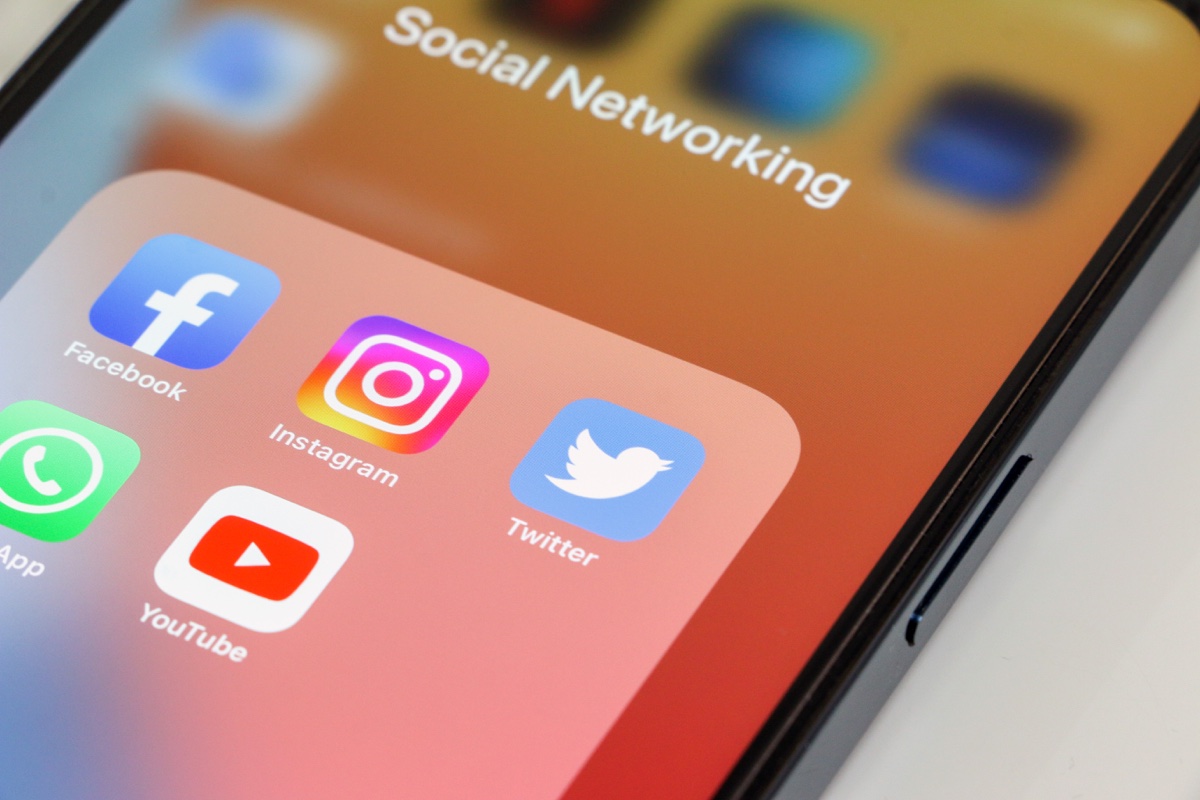
Even more important than these are the opportunities we have to edify each other and share the gospel with these tools. Facebook, Instagram and Twitter are great resources to help spread the word about special events like gospel meetings and youth devotions. Many churches are creating their own pages to share information about their group and recordings of sermons. Facebook Live provides an easy way to actually stream classes and sermons live to the internet.
We must not underestimate the value of the simple things. I’ve been uplifted by a moving quotation or Scripture citation someone posted. I’ve benefitted from book recommendations and sermon recordings that others shared. When you think about it, there are so many ways to seize these resources and use them to honor God and encourage His people. Let’s commit ourselves to do that!
Let’s also keep in mind that we will be in a much better position to use social media to God’s glory when we’ve first set our hearts to be holy. Right conduct springs from holy hearts. Like the Holy One who called us, let us be holy.