By Trent and Rebekah Dutton
Synopsis: Archaeology helps us humanize the characters in the biblical narrative, including the reminder that children in the biblical world grew and played just as our children do today.
The biblical text serves a vital purpose, and that is to unveil the nature of God and His intentions for humanity. However, in remaining true to its purpose, much detail about daily life is deliberately excluded. Archaeology serves to fill those gaps. By examining finds, we discern the daily rituals of the ancients, which help bring the biblical world to life. This aids our understanding and adds a layer of humanity to individuals whom we often forget were flesh and blood, just as we are.
We can find an example of this humanization of Scripture by studying childhood in the ancient world. We have all been children ourselves, and recall the games we played, favorite toys, and our relationship with the surrounding world. Those of us who have children of our own also understand the love—and sometimes loss—intrinsic to parenthood. Just so in the biblical world, the children of promise, such as Isaac, Samuel, and even Jesus, lived, laughed, and were loved by the parents who reared them.
One of the most important developmental skills for a child is play, which is often simple mimicry of the adult activities around them. Children then, as now, were presented with toys crafted by grownups. They made dolls of many materials, such as bone and clay. By the Roman era, baby dolls were no less beautiful than today, made of ivory with articulated limbs. These were often presented to girls who played at motherhood until the time of their own betrothal, when they “sacrificed” their childhood toys to the household goddesses. Other toys include animal figurines, some with wheels and strings for pulling, spinners and tops, as well as game boards that were enjoyed by adults and children alike. The presence of toys and games in the archaeological record tells us that the children were not just viewed from a utilitarian perspective, meant for farm or household labor. Not only were they permitted to play, they were encouraged to do so by the adults who around them.
Nevertheless, that did not mean that all of life was play. Children in the Old Testament world grew up in an agrarian society, where each family member contributed to the work. Young children were given tasks and play time close to home, while older children and adolescents of both sexes strayed further to shepherd animals and gather supplies. Older girls seemed especially tasked with gathering water for the family’s needs—a time-consuming and exhausting job that freed the older women for more skilled housekeeping tasks. Girls would also be trained in those duties, work that could be performed while expecting or caring for children, including weaving and food preparation and preservation, while boys learned more physically taxing and far-flung labor, such as sowing and reaping as well as warfare.
Children were not just trained for survival and subsistence, but also required education. Most people in the ancient world had a basic level of literacy in order to produce the receipts and promissary notes necessary for trade. Most of those educated beyond simple words and ciphers were males, though women, such as priestesses, prophetesses, merchants, and princesses, were also trained in scribal arts. Training in skilled writing began in childhood, and depending on the complexity of the student’s intended role, study and practice could take many years. Like today, students spent hours reading and writing under the tutelage of instructors. A popular Sumerian writing exercise describes the daily life of a scribal schoolboy:
Schoolboy, where did you go from earliest days?
I went to school.
What did you do in school?
I read my tablet, ate my lunch, prepared my tablet, wrote it, finished it. . .
He who was in charge of drawing said, “Why, when I was not here, did you stand up?”
Caned me
. . .He who was in charge of the Sumerian said, “You spoke. . .”
Caned me.
Sadly, in the ancient world, infant mortality was high (averaging 50% but rising to 85% during times of duress). Yet, this potential for loss did not result in callousness among adults. In his poignant Consolation, Plutarch speaks to his wife of his grief at the loss of their beloved two-year-old daughter and asks that she receive the proper funerary rites. Their small remains were given similar honors as adults, complete with miniature jewelry and small vessels for food and drink. Tiny mummies in diminutive sarcophagi have been uncovered in Egypt. Levantine infants and toddlers under the age of four were encapsulated in storage jars buried within the walls of the family compound. Some scholars hold that the spirit of the child was believed to protect the household, or that the household continued to protect the child. One such jar recovered in Ashkelon even bears the carved images of Anubis and an offering table, symbols meant to guard the child’s passage into the afterlife.
It is often easy to separate the biblical narrative and its characters from reality, though we acknowledge its truth and have faith that the described events occurred. Archaeology aids us in overcoming this error by reminding us that the story is real and that we share a bond of both humanity and fellowship with those who people it.

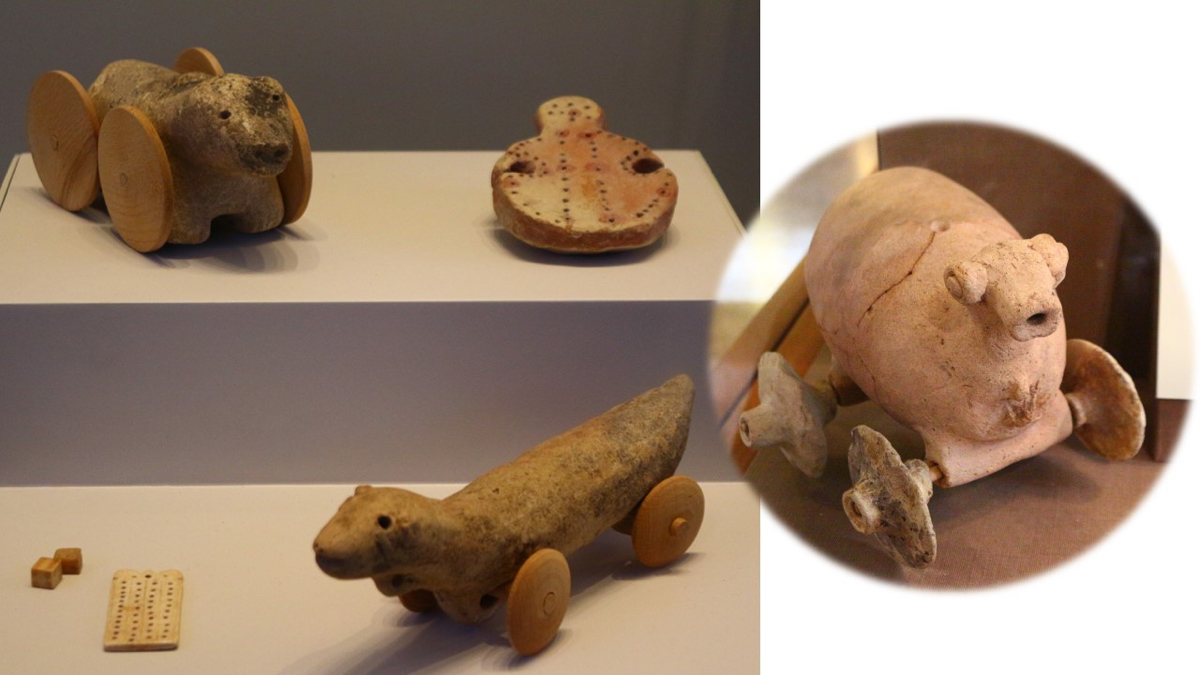
Image-1 Caption: A collection of pull-toys, dolls, and games from the Iron Age.
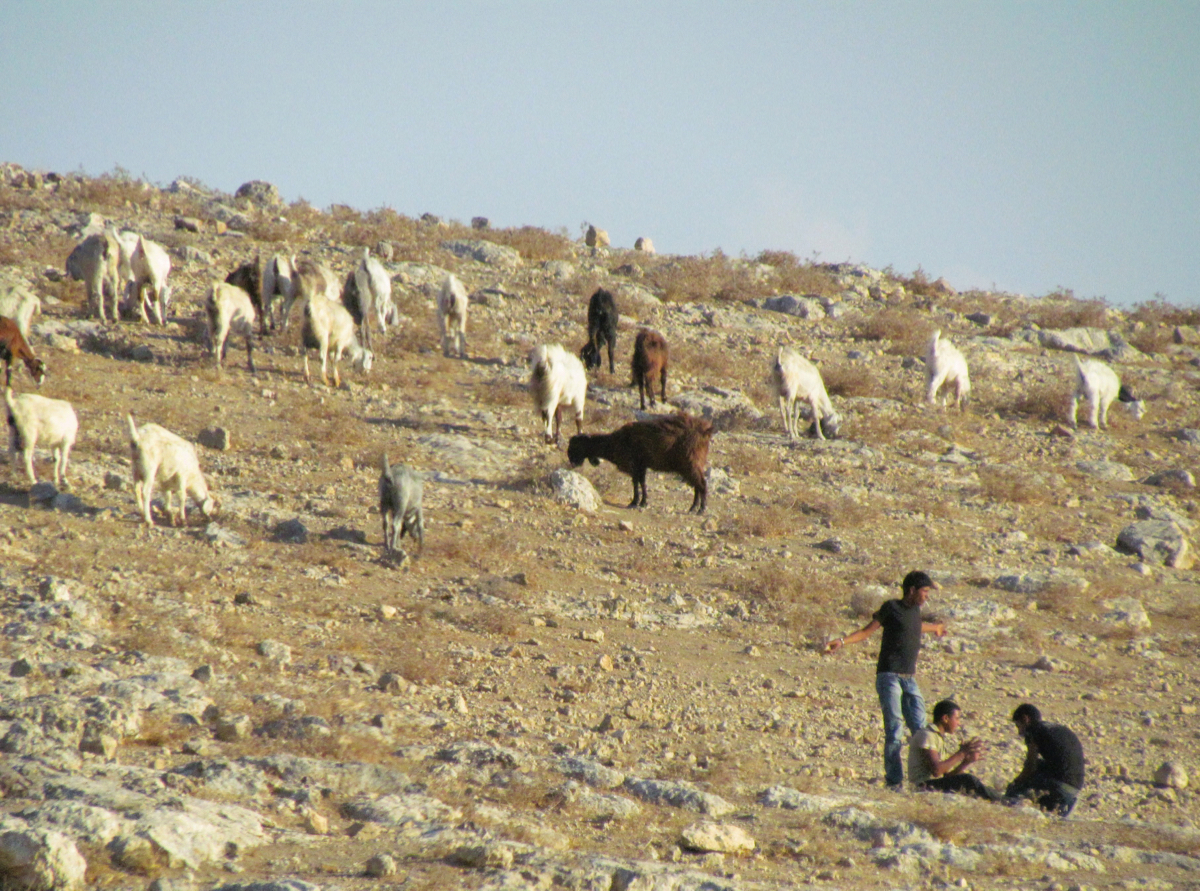
Image-2 Caption: Like these Bedouin teenagers, older children were often tasked with watching the family herds, and were probably just as easily distracted.
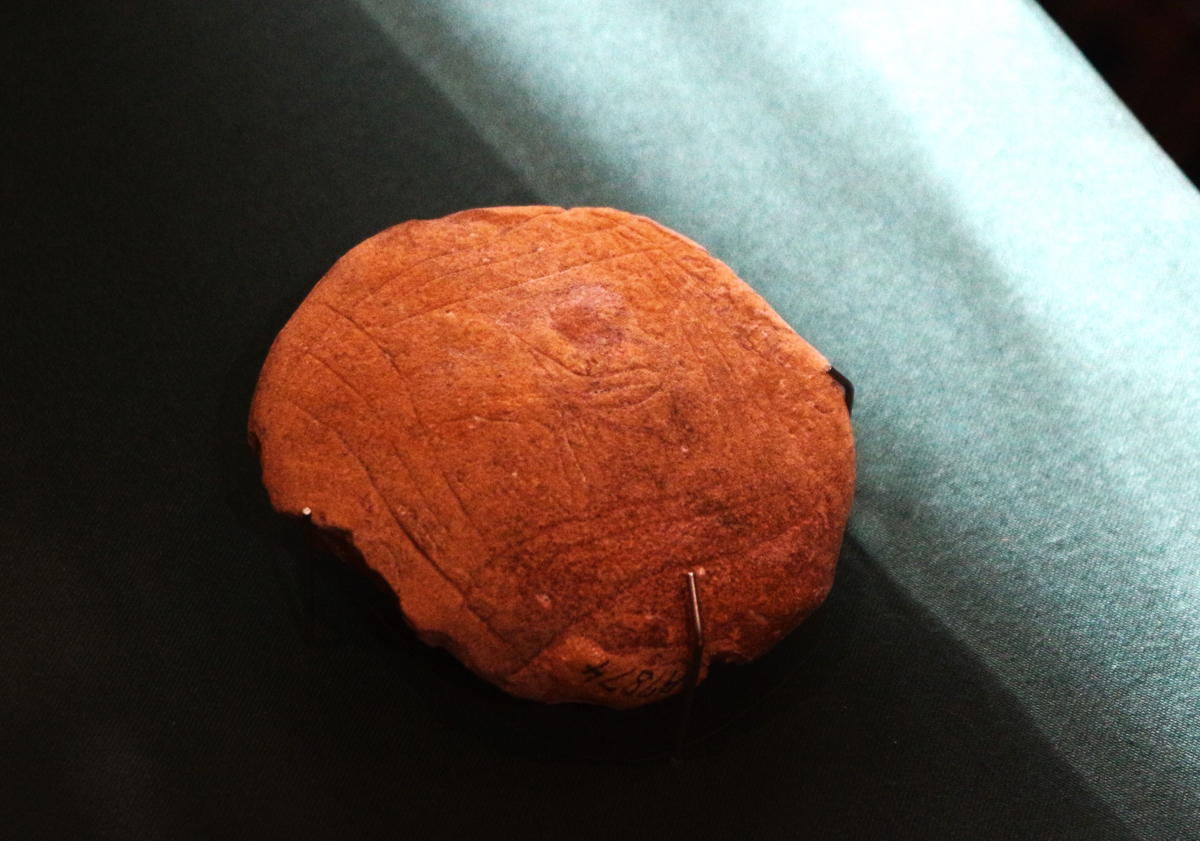
Image-3 Caption: School exercises were written on round clay tablets, though this tablet features an elaborate doodle rather than the child’s assignment.
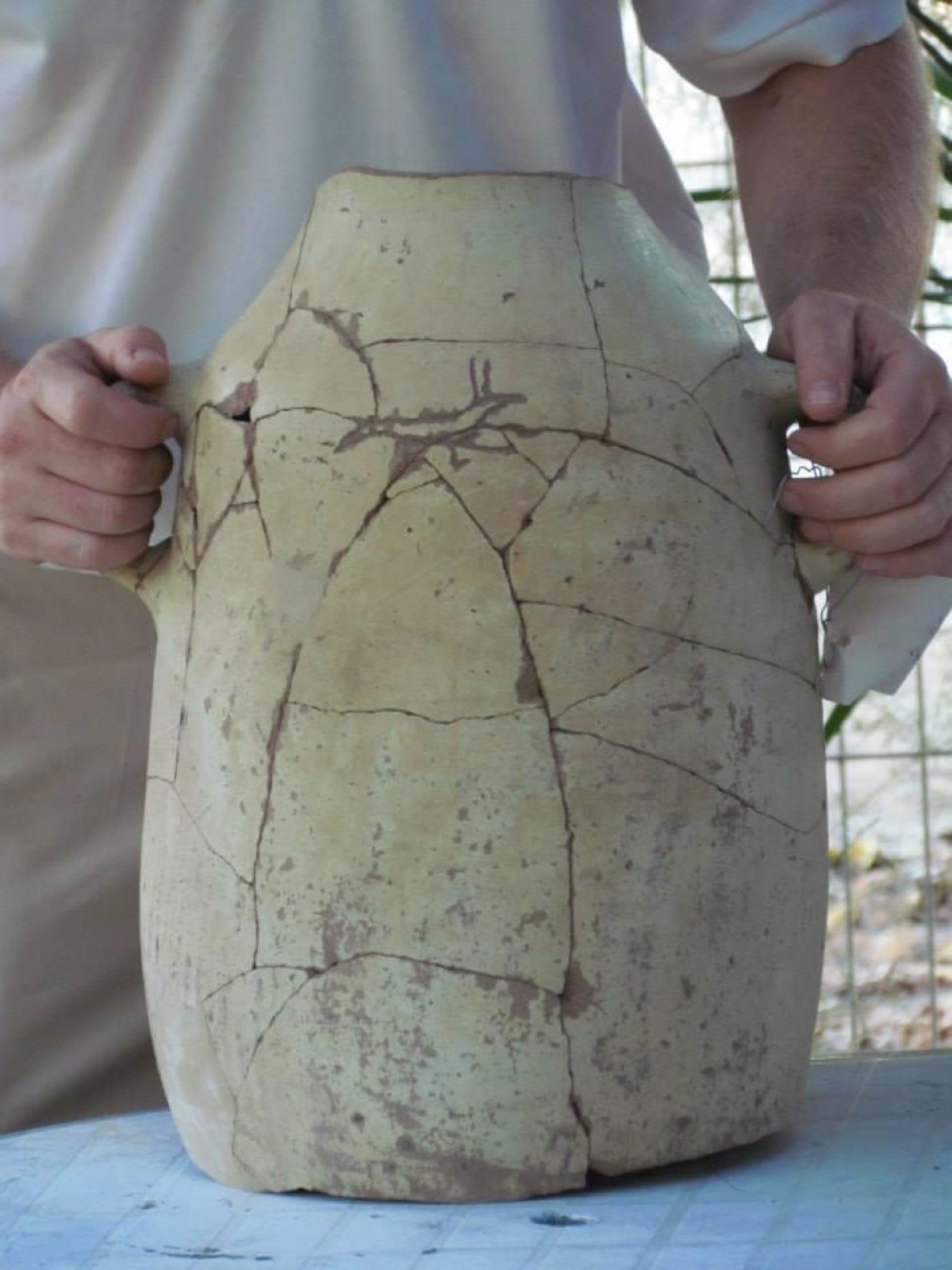
Image-4 Caption: This infant burial jar features an inscribed Anubis on one side and a sacrificial table on the other to ensure that the child inside had a safe passage to the afterlife.