by Bruce Reeves
Synopsis: To walk in sin is to walk away from God, and to walk away from God is to walk away from our fundamental identity because of the Lord’s creation.
In this column, we have addressed the errors of Calvinism both in the religious world at large and among churches of Christ. I hope that our study has helped shape our understanding of God, the nature of humanity, grace, faith, salvation, and God’s purposes for us. Once we see that God redemptively loves us all and that Jesus sacrificed Himself for the entire world, what should we do? The love of God appeals to us to be renewed in the image of God through Christ.
I can remember my dad telling me when I was younger, “Bruce, remember who you are.” I knew exactly what he meant. He was encouraging me to remember how I should conduct myself, what my spiritual purpose was, and the importance of having a godly conscience. Our greatest problems result from a spiritual identity crisis. Knowing who we are affects how we live now and how we value our future relationships and spiritual condition.
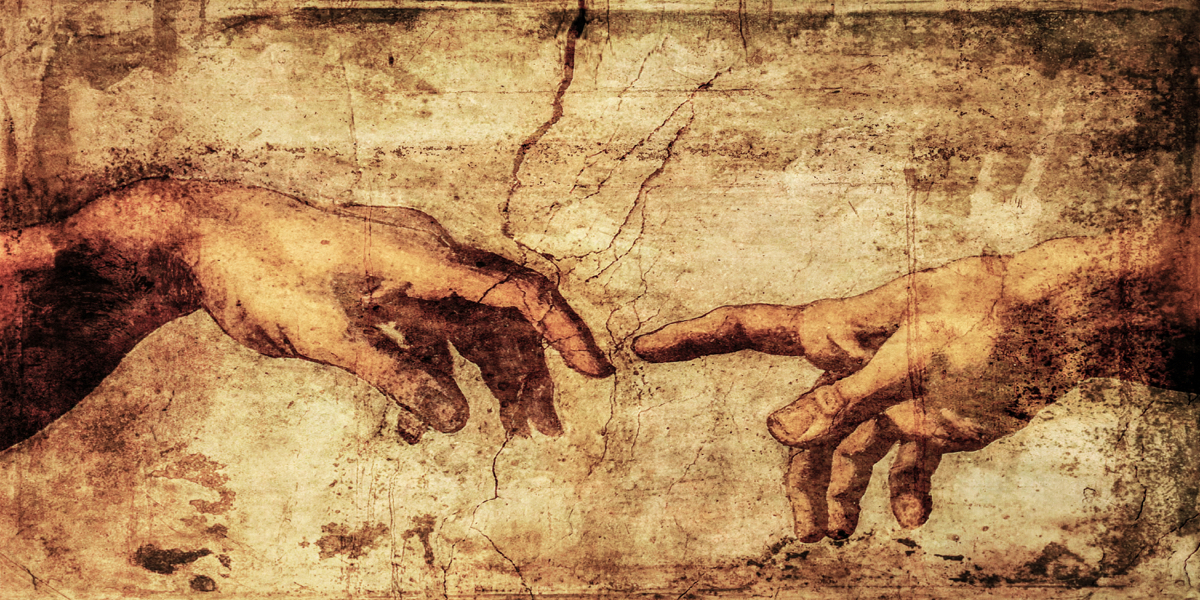
As human beings, we sustain a unique relationship with our Creator: “Then God said, ‘Let us make man in our image, according to our likeness. . .’ God created man in His own image, in the image of God He created him; male and female He created them” (Gen. 1:26-27). Since we have been created in the image of God, we have also been called to have a relationship with Him. If we reject God’s truth, we reject the very purpose for which we have been created. Our entire existence is summed up in the dual responsibility of fearing God and keeping His commandments (Eccl. 12:13-14).
Biblically, sin is presented as humanity’s failure to be who we were created to be by God (Rom. 3:23). To walk in sin is to walk away from God, and to walk away from God is to walk away from our fundamental identity by virtue of the Lord’s creation. Although sin does not change our human nature, it violates God’s design and purpose for our lives. As we reach out to the Savior, He leads us out of the darkness of sin into the light of God’s glory (Eph. 4:17-19; 2 Cor. 4:4-6).
In examining our lives, it becomes obvious that we often fall short of God’s image? It is at this point that some important questions arise in our minds: (1) “How can I be more like Christ?” (2) “Where do I begin my relationship with God?” (3) “What does it mean to grow spiritually?”
It is not uncommon to hear, “I am only human!” Usually, that statement is offered as a reason for our mistakes. Yet, to be human is to be a bearer of the image of God. Our identity is not only presented in the creation account of Genesis, but is also highlighted by the Psalmist and New Testament writers (Ps. 8; 1 Cor. 11:7).
It is awe-inspiring to realize that God loved us so much that He gave His only begotten Son for our salvation (John 3:16). The fullness of God’s grace and truth is seen in Jesus Christ (John 14:9; Heb. 1:1-2). John declares that “the Word became flesh and dwelt among us, and we saw His glory, glory as of the only begotten from the Father full of grace and truth” (John 1:14). The term “dwelt” can more precisely be understood as “to tabernacle among us.” God’s presence in the incarnation is emphasized as an echo of His dwelling among His people in the past, but it is explained as the most amazing event in human history (2 Cor. 8:9; Phil. 2:5-8). The selflessness of the Son of God is not restricted to one act, but to the eternal relationship of the Father, Son, and Holy Spirit. The humility of Christ was not foreign to His nature as God; it was in harmony with His divine identity as the Messiah (Ps. 113:5-8).
We pursue God’s image by striving to imitate the love of Christ (Eph. 5:1-2). When we are tempted to sin, we must remember Jesus’s sinless example in His own moments of temptation (Heb. 2:17-18; 4:14-16). When Satan attempted to ensnare Jesus with deceptive enticements, our Lord wielded the “sword of the Spirit, which is the word of God” (Matt. 4:1-11; Eph. 6:17). We, too, can use the “sword of the Spirit” in victory over temptation.
When we are faced with the suffering of trials, we must again look to the example of Jesus and walk in His steps (1 Pet. 2:21-23). What an encouragement to know that our Savior endured the human experiences of temptation, disappointment, and suffering that are common to humanity! The one who was “holy, innocent, undefiled, separated from sinners and exalted above the heavens,” also, “in the days of His flesh, offered up prayers and supplications with loud crying and tears to the One who was able to save Him from death, and He was heard because of His piety. Although He was a Son, He learned obedience from the things which He suffered” (Heb. 5:8-9; 7:26).
Although we fall short of God’s glory from time to time, we can overcome sin by following Jesus’s example and trusting God’s promises (1 Cor. 10:13). According to the apostle, God will not allow us to experience a superhuman temptation beyond our ability to resist, but will provide a way of escape. We find that way of escape by trusting God, following Jesus’s example, obeying His word, focusing spiritually, and praying. When we feel alone, hurt, or weak, the Lord’s example will lead us from the valley of despair to the mountain of peace. Let us always remember that the One who is in us is greater than the one who is in the world (1 John 4:4; 5:4).
The only way to know how to pursue the image of God in Christ is through the teaching of God’s word. A high view of Scripture increases our appreciation for God’s grace toward us (Rom. 1:16-17; 2 Tim. 3:16-17). Jesus said, “The words that I have spoken to you are spirit and are life” (John 6:63).
The powerful effect of God’s word in the lives of believers is a blessing which none of us should take for granted. Paul wrote, “For this reason we also constantly thank God that when you received the word of God which you heard from us, you accepted it not as the word of men but for what it really is, the word of God, which also performs its work in you who believe” (2 Thess. 2:13). The Spirit does not lead through subjective feelings, but the objective word of God (Eph. 5:18; Col. 3:16).
Often people will say things like, “The Spirit spoke to me,” “I can feel the Spirit’s leading,” “the Spirit moved me,” or “the Spirit laid something on my heart,” etc. When we follow the truth of the gospel, we will serve God emotionally and passionately, but our emotions or conscience do not—in and of themselves—serve as an infallible guide. Our feelings are unreliable, and we can deceive ourselves (Prov. 14:12; Jer. 17:9; Jas. 1:22). The conscience does not determine truth, but tells us if we are violating what we believe to be true. Our conscience is truly profitable when it is trained and disciplined by the word of God (Ps. 119:11; Acts 23:1; 24:16; Rom. 2:15; 10:1-3). When we fully surrender to the gospel, we will express a zealous faith, penitent heart, and a courageous trust in our God. Authentic spiritual experience is processed through the word of God.
To “walk in the Spirit,” “be led by the Spirit,” and “live in the Spirit” are to surrender to the influence and teaching of the “law of the Spirit” in the gospel (Rom. 8:2, 14; Gal. 5:16, 18, 25). The Hebrew writer speaks of the power of God’s word, “For the word of God is living and active and sharper than any two-edged sword, and piercing as far as the division of soul and spirit, of both joints and marrow, and able to judge the thoughts and intentions of the heart” (Heb. 4:12). God’s word exposes and reveals the deepest recesses of our heart to lead us to our compassionate High Priest and our Sabbath rest (Heb. 4:1-11, 15). God is shaping us into the image of His Son in our character and hope of the resurrection (Rom. 8:23-29; cf. 1 Cor. 15:49; Phil. 3:20-21; 1 John 3:1-2).
How can we be conformed to God’s image when we have sinned against Him? Isaiah declares that sin separates us from God (Isa. 59:1-2). Thank God for Jesus Christ and His mercy in the forgiveness of our sins (Acts 2:38; 22:16; Rom. 8:1-2; Eph. 1:4, 7)! He not only grants the forgiveness of our sins but also the transformation of our souls. The purpose of Paul’s teaching was to see that Christ was “formed” in believers (Gal. 4:19, 20). Similarly, he encourages the Colossians toward maturity in the Lord, “We proclaim Him, admonishing every man and teaching every man with all wisdom, so that we may present every man complete in Christ. For this purpose, also I labor, striving according to His power, which mightily works within me” (Col. 1:28-20). The gospel has the power to change our lives forever (Rom. 1:16; 2 Cor. 3:18).
We pursue the fullness of God’s image in our lives through faith in Christ. Saving faith gives full loyalty to Jesus as King and Lord (Acts 2:36; Phil. 2:9-11). The apostles never viewed faith as a non-doing trust; rather, they proclaimed faith as a total response of obedience to the gospel (Rom. 1:5; 6:16; 16:26). The apostle Paul describes the faith that justifies the sinner with metaphors such as crucifixion, death, and resurrection (Rom. 6:1-7). In His description of faith, Paul writes, “. . .let not sin reign in your mortal bodies. . .” (Rom. 6:12), and “. . .for sin shall not be master over you. . .” (Rom. 6:14). This interpretation of faith depicts our participation in Christ’s love, sacrifice, and resurrection. The inspired writers never associated obedience to the gospel with the “law of works” but consistently associated it with the faith that justifies (Rom. 3:27-28; Gal. 3:10-12, 26-27). We cannot proclaim faith in Christ and fail to emphasize His authority as King (Matt. 8:5-13; Col. 3:17). Therefore, the New Testament describes faith in terms of being “crucified with Christ” and living in the “power of His resurrection and the fellowship of His sufferings, being conformed to His death” (Phil. 3:8-10).
As Christians, we strive to put Christ on in our conduct, both morally and ethically. Those who live their lives without Christ are described as being “darkened in their understanding. . . because of the hardness of their heart. . .” having “given themselves over to sensuality for the practice of every kind of impurity and greediness” (Eph. 4:18-19). Although, the Gentiles were “professing to be wise, they became fools, and exchanged the glory of the incorruptible God for an image in the form of corruptible man. . . therefore God gave them over in the lusts of their hearts to impurity, so that their bodies would be dishonored among them. For they exchanged the truth of God for a lie and worshipped and served the creature rather than the Creator, who is blessed forever amen. . . and just as they did not see fit to acknowledge God any longer, God gave them over to a depraved mind, to do those things which are not proper. . .” (Rom. 1:22-25, 28). Rather than recognizing that they had been created in the image of God, they sought to fashion God according to the image of creation. The renewal of our mind leads us to live in the likeness of God and His love (Rom. 12:1-2; Eph. 5:1-2).
As we devote our lives to the Lord, we will glorify Him (1 Cor. 6:18-20), we will worship Him (Heb. 10:25), and we will walk in harmony with His holiness (1 Pet. 1:13-18). Let’s remember who we are as God’s creation as we pursue His image in our lives.